
Introduction
Power distribution systems are the backbone of modern electrical networks, ensuring electricity is safely and efficiently delivered from substations to homes, businesses, and industrial facilities. One essential component that supports the reliability and safety of these systems is the Insulated Piercing Connector (IPC). Designed to provide secure and quick electrical connections without stripping cables, IPCs have become a vital solution for modern power distribution networks. This article explores the key applications, benefits, and considerations for using Insulated Piercing Connectors in power distribution systems.
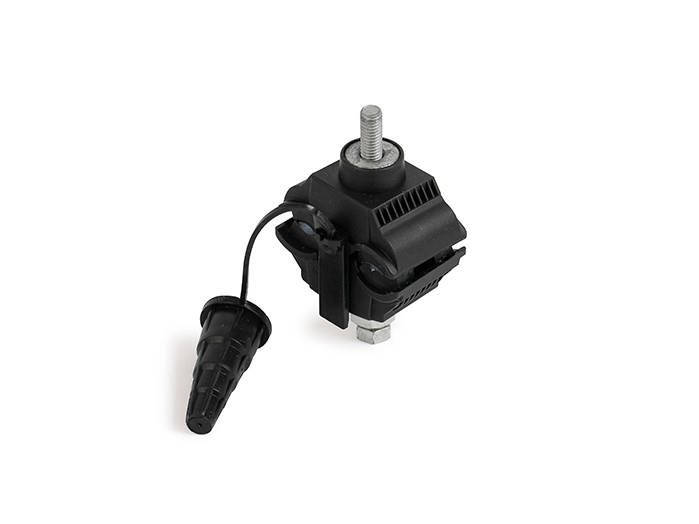
What is an Insulated Piercing Connector?
An Insulated Piercing Connector (IPC) is a specialized electrical device that allows for tapping into an existing insulated conductor without the need to strip the insulation. Its key features include:
Insulated Design: Prevents accidental contact and short circuits.
Piercing Mechanism: Creates a secure connection by piercing the insulation of the main conductor.
Durability: Resistant to corrosion, moisture, and environmental stress.
Ease of Installation: Eliminates the need for complex tools or stripping wires, reducing installation time and errors.
Key Applications in Power Distribution Systems
1. Residential Distribution Networks
In residential areas, IPCs are widely used to tap into existing low-voltage lines safely and efficiently. They allow utility engineers to add service lines for new homes or upgrade existing connections without interrupting power to other customers.
Benefits:
Reduces installation time
Minimizes power outages during connection
Provides safe, insulated electrical connections
2. Commercial and Industrial Power Systems
In commercial and industrial facilities, IPCs are used to branch off feeders, connect equipment, or extend distribution lines. Their ability to maintain strong electrical contact while preserving insulation makes them ideal for high-reliability environments.
Benefits:
Supports high-current applications
Reduces maintenance needs
Improves safety for technicians during installation
3. Renewable Energy Systems
Insulated Piercing Connectors are increasingly used in renewable energy installations, such as solar PV systems and wind turbine distribution networks. IPCs allow safe tapping into DC or AC cables without stripping insulation, ensuring system safety and reliability.
Benefits:
Enables quick, secure connections in solar arrays
Reduces risk of electrical faults in energy storage systems
Supports modular design for future expansions
4. Smart Grid and Utility Networks
Modern utility grids and smart grids rely on IPCs for tapping distribution lines efficiently. They simplify network expansion, metering connections, and repairs, all while maintaining safety standards and system reliability.
Benefits:
Reduces operational costs for utilities
Minimizes downtime during network upgrades
Enhances worker safety through insulated design
Advantages of Using Insulated Piercing Connectors
Safety: Insulated design prevents electrical shocks and short circuits.
Efficiency: Quick installation without stripping wires reduces labor and downtime.
Durability: Corrosion-resistant materials ensure long-lasting performance.
Versatility: Suitable for residential, commercial, industrial, and renewable applications.
Reliability: Maintains stable electrical contact even under environmental stress.
FAQ
Q1: Can Insulated Piercing Connectors be used on both aluminum and copper cables?
A: Yes. Most IPCs are compatible with both aluminum and copper conductors, but it’s important to check the manufacturer’s specifications for specific conductor sizes.
Q2: Do IPCs require special tools for installation?
A: Typically, a standard torque wrench or compatible installation tool is used, making installation simple and safe.
Q3: Are IPCs suitable for outdoor use?
A: Yes. High-quality IPCs are made with corrosion-resistant materials and UV-stable insulation, suitable for outdoor and underground applications.
Q4: Can IPCs handle high-current applications?
A: Yes. IPCs are designed to maintain strong electrical contact, supporting a wide range of current ratings depending on the model.
Q5: Do IPCs require regular maintenance?
A: Minimal maintenance is needed. Periodic inspection is recommended to ensure connections remain tight and the insulation is intact.
Conclusion
Insulated Piercing Connectors play a crucial role in modern power distribution systems, offering a safe, reliable, and efficient way to tap into existing conductors without stripping insulation. From residential networks and commercial facilities to renewable energy systems and smart grids, IPCs ensure secure electrical connections while reducing installation time, maintenance needs, and operational risks. For engineers, utility companies, and installers, selecting the right IPC is essential for building a safe and reliable electrical network