
Introduction
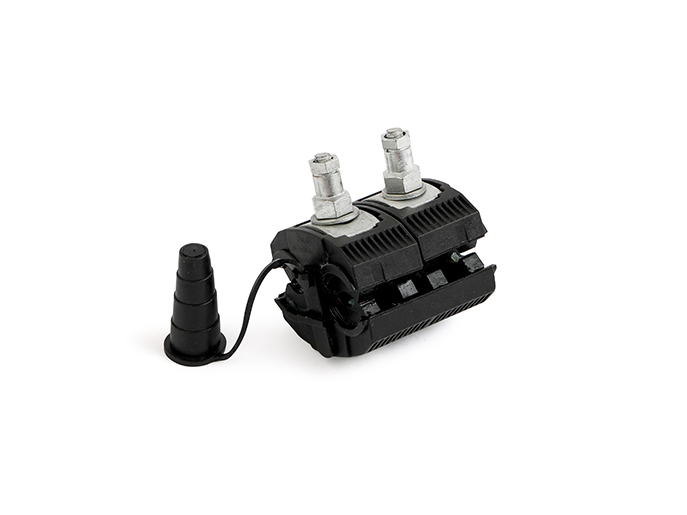
Insulated Piercing Connectors (IPCs) have become essential components in modern power distribution systems, allowing engineers and installers to create safe, efficient electrical connections without stripping conductors. However, selecting the right IPC for your project is crucial to ensure electrical safety, reliability, and long-term performance. This article explores the top factors to consider when choosing insulated piercing connectors for residential, commercial, industrial, and renewable energy applications.
Electrical Specifications
The primary function of an Insulated Piercing Connector is to maintain a reliable electrical connection. Therefore, understanding the electrical requirements is critical:
Voltage Rating: Ensure the IPC can safely handle the maximum system voltage without insulation breakdown.
Current Rating: Verify that the connector supports the expected current load to prevent overheating or failure.
Conductor Compatibility: Confirm that the IPC is suitable for copper, aluminum, or mixed conductors and the specific wire sizes in your system.
Dielectric Strength: High dielectric strength ensures safety and prevents electrical arcing or leakage.
Mechanical and Environmental Considerations
IPCs must withstand mechanical stress and environmental challenges while maintaining a secure connection. Important factors include:
Durability: The connector should resist mechanical stress, vibration, and movement of conductors.
Environmental Resistance: Choose connectors that are UV-resistant, corrosion-resistant, and able to operate in high humidity, outdoor, or underground conditions.
Temperature Tolerance: Ensure the IPC can perform reliably across the temperature range of your application.
Installation and Ease of Use
A key advantage of Insulated Piercing Connectors is simplified installation. Consider these factors:
Tool Requirements: Some IPCs require a standard torque wrench, while others need specialized installation tools.
Installation Time: Quick and easy installation reduces labor costs and minimizes downtime.
Reusability: Check if the connector allows for easy removal or reconnection if needed.
Compliance and Certification
Safety and reliability are paramount in electrical systems. Make sure the selected IPC complies with recognized standards:
UL Certification: Ensures safety and performance in North American markets.
CE Marking: Confirms compliance with European safety requirements.
RoHS Compliance: Ensures environmentally safe materials.
ISO Certification: Confirms quality management standards.
Application-Specific Requirements
Different projects may have unique demands that affect IPC selection:
Residential Distribution: Focus on low-voltage safety, ease of installation, and reliability for small-scale connections.
Commercial and Industrial Applications: Require high current ratings, robust durability, and vibration resistance.
Renewable Energy Systems: Consider DC or AC compatibility, corrosion resistance, and modular design for solar arrays or energy storage systems.
Utility Networks and Smart Grids: Prioritize long-term reliability, outdoor environmental resistance, and safety under load.
Benefits of Choosing the Right Insulated Piercing Connector
Selecting the appropriate IPC ensures multiple advantages for your project:
Enhanced Safety: Reduces risk of electrical shock and short circuits.
Improved Reliability: Maintains stable electrical contact even under harsh conditions.
Reduced Installation Time: Quick, tool-friendly installation lowers labor costs.
Long-Term Durability: Resistant to corrosion, UV exposure, and mechanical stress.
Versatility: Suitable for residential, commercial, industrial, and renewable energy systems.
FAQ
Q1: Can IPCs be used with both copper and aluminum wires?
A: Yes. Most IPCs are compatible with both, but always check the manufacturer’s specifications for wire size and conductor type.
Q2: Do IPCs require specialized tools for installation?
A: Some IPCs can be installed with standard tools like torque wrenches, while others may require manufacturer-specific installation tools.
Q3: Are IPCs suitable for outdoor use?
A: Yes. High-quality IPCs are made from corrosion-resistant materials with UV-stable insulation, suitable for outdoor and underground installations.
Q4: Can IPCs handle high-current loads?
A: Yes. IPCs are designed to maintain secure electrical contact under rated current loads. Always confirm the rating for your specific application.
Q5: How often should IPCs be inspected?
A: Minimal maintenance is required, but periodic inspections are recommended to ensure connectors remain tight and insulation is intact.
Conclusion
Choosing the right Insulated Piercing Connector is essential for ensuring safety, reliability, and efficiency in power distribution systems. By considering electrical specifications, mechanical and environmental factors, installation requirements, certifications, and application-specific needs, engineers and installers can select the ideal IPC for residential, commercial, industrial, and renewable energy projects. Proper selection of IPCs reduces installation time, enhances system reliability, and ensures long-term safety for both equipment and personnel.