
Introduction
Electrical installations are evolving rapidly, with higher demands for safety, reliability, and efficiency. One component that is transforming how engineers and technicians design and maintain power distribution systems is the Insulated Piercing Connector (IPC). Combining innovative design with practical benefits, IPCs are redefining industry standards and enabling safer, faster, and more cost-effective electrical installations. This article explores why Insulated Piercing Connectors are revolutionizing modern electrical systems.
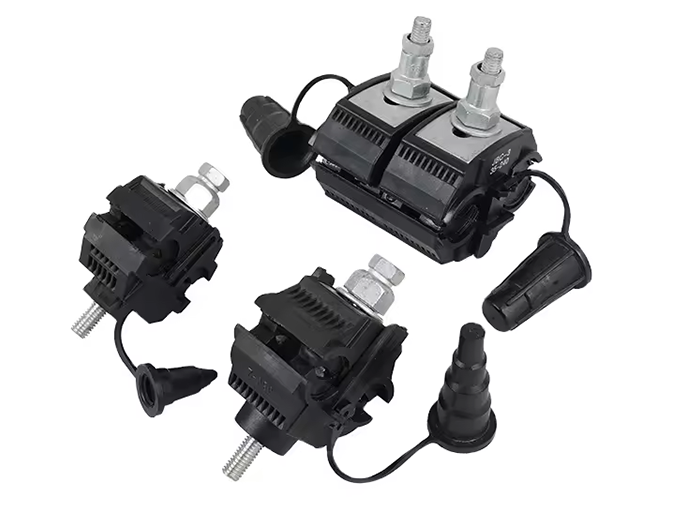
What is an Insulated Piercing Connector?
An Insulated Piercing Connector (IPC) is a specialized device that allows safe and secure electrical connections by piercing the insulation of a conductor, without requiring the insulation to be stripped. Key features include:
Insulated Design: Protects against accidental contact, short circuits, and arcing.
Piercing Mechanism: Ensures strong electrical contact by directly penetrating the conductor insulation.
Durable Materials: Resistant to corrosion, UV exposure, moisture, and mechanical stress.
Ease of Installation: Reduces labor and installation time compared to traditional connectors.
How IPCs Enhance Safety in Electrical Installations
Safety is the top priority in any electrical system. IPCs contribute to safety in several ways:
Electrical Isolation
The insulated body prevents accidental contact with live conductors, minimizing the risk of electric shock for installers and maintenance personnel.
Reduced Arcing and Short Circuits
By creating a secure connection without exposing bare conductors, IPCs reduce the likelihood of arcing or short circuits during installation.
Corrosion and Environmental Protection
Made from corrosion-resistant materials with UV-stable insulation, IPCs maintain safety in outdoor and underground installations, even in harsh environments.
How IPCs Improve Efficiency
Beyond safety, IPCs are revolutionizing efficiency in electrical installations:
Time-Saving Installation
Traditional connectors require stripping and crimping conductors, which is labor-intensive. IPCs allow quick tapping into existing lines without stripping wires, significantly reducing installation time.
Reduced Maintenance Costs
Secure and stable connections reduce the risk of future faults, lowering the need for maintenance and emergency repairs.
Versatility for Multiple Applications
IPCs work with copper and aluminum conductors, in residential, commercial, industrial, and renewable energy systems, supporting diverse installation needs.
Simplified Network Expansion
Utility companies and smart grid operators can quickly add service lines or branch circuits without disrupting existing connections.
Key Applications of Insulated Piercing Connectors
1. Residential Distribution
IPCs enable safe and efficient connections for new homes, upgrades, and neighborhood expansions without interrupting existing services.
2. Commercial and Industrial Systems
Used to branch feeders or extend distribution lines, IPCs support high-current applications and provide reliable performance in industrial environments.
3. Renewable Energy Systems
In solar PV arrays, wind farms, and battery storage systems, IPCs allow quick, insulated tapping into DC or AC lines, enhancing safety and reliability.
4. Smart Grid and Utility Networks
IPCs simplify installation and maintenance in smart grid applications, supporting network expansion and repair without downtime.
Factors to Consider When Selecting an IPC
Voltage and Current Ratings: Ensure the connector matches system requirements.
Conductor Compatibility: Check compatibility with copper, aluminum, or mixed conductors.
Environmental Conditions: Choose corrosion-resistant and UV-stable connectors for outdoor use.
Certifications: Look for UL, CE, RoHS, and ISO compliance to ensure safety and quality.
SEO Keywords: IPC selection, insulated piercing connector rating, certified electrical connector
FAQ
Q1: Can IPCs be used for both copper and aluminum conductors?
A: Yes, most IPCs are compatible with both types, but always verify the conductor size range.
Q2: Do IPCs require specialized installation tools?
A: Some IPCs can be installed with standard torque tools, while others may need manufacturer-specific tools for optimal performance.
Q3: Are IPCs suitable for outdoor or underground installations?
A: Yes. High-quality IPCs are corrosion-resistant and UV-stable, suitable for harsh outdoor or underground environments.
Q4: How do IPCs reduce maintenance requirements?
A: By providing stable, secure electrical connections, IPCs prevent loose contacts, arcing, and corrosion, reducing the need for repairs.
Q5: What certifications should I look for in an IPC?
A: Look for UL, CE, RoHS, and ISO certifications to ensure safety, quality, and regulatory compliance.
Conclusion
From safety to efficiency, Insulated Piercing Connectors are revolutionizing electrical installations. They provide secure, insulated connections that minimize risk, reduce installation time, and enhance system reliability. Whether in residential, commercial, industrial, or renewable energy systems, IPCs are helping engineers and installers achieve safer, faster, and more efficient electrical networks. By selecting high-quality IPCs with proper ratings and certifications, electrical professionals can ensure long-term performance and safety in any project.