
Introduction
Isolation Puncture technology has become a cornerstone of modern electrical systems, providing safe, efficient, and reliable connections without stripping conductor insulation. Whether used in residential, commercial, industrial, or renewable energy projects, proper installation is essential to ensure long-term performance and safety. This article provides practical tips and best practices for installing Isolation Puncture devices effectively, helping engineers, electricians, and technicians achieve optimal results.
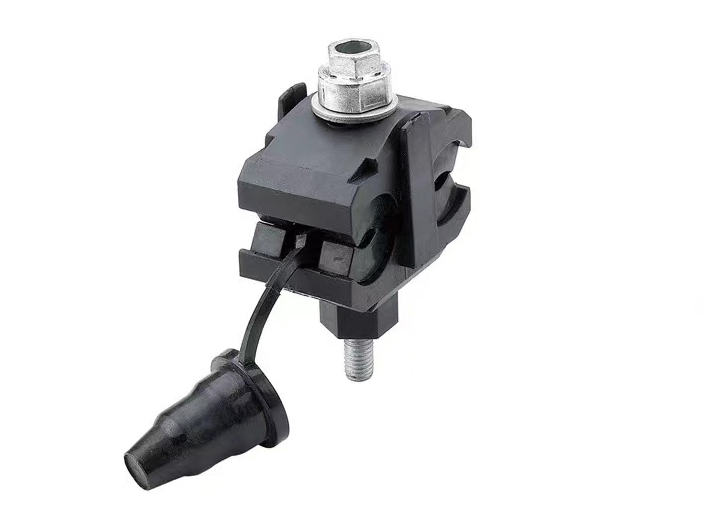
Understanding Isolation Puncture
An Isolation Puncture device allows electrical connections by puncturing the insulation of a conductor while maintaining overall electrical isolation. Key advantages include:
Safety: Reduces risk of electrical shock and short circuits.
Efficiency: Simplifies installation and saves time compared to traditional connectors.
Reliability: Ensures stable electrical contact for long-term performance.
Proper installation is critical to harness these benefits fully.
Pre-Installation Tips
Before beginning installation, follow these steps to ensure a successful setup:
1. Verify System Requirements
Check the voltage and current ratings of the Isolation Puncture device against your project specifications.
Confirm conductor compatibility, including material type (copper or aluminum) and size.
2. Inspect the Device
Ensure the device is free from visible defects or damage.
Confirm that all components, seals, and insulation are intact.
3. Gather Required Tools
Use the recommended torque wrenches, pliers, or manufacturer-specific installation tools.
Keep protective gear, such as insulated gloves, nearby for safety.
Installation Best Practices
Follow these best practices for safe and efficient installation:
1. Follow Manufacturer Guidelines
Always refer to the manufacturer’s instructions for torque settings, installation sequence, and tool usage. Deviating from these guidelines can compromise safety and connection reliability.
2. Proper Conductor Placement
Position the conductor securely within the device.
Ensure it aligns with the puncturing mechanism to avoid incomplete connections or damage.
3. Apply Correct Torque
Use a calibrated torque wrench to tighten the device according to specifications.
Avoid over-tightening, which can damage the conductor, and under-tightening, which may cause loose connections.
4. Check Electrical Isolation
After installation, verify that the conductor insulation remains intact except at the puncture point.
Conduct insulation resistance tests if required by project standards.
5. Environmental Considerations
For outdoor or underground installations, confirm the device is weather-resistant, UV-stable, and corrosion-resistant.
Seal any exposed areas if recommended by the manufacturer to prevent moisture ingress.
SEO Keywords: Isolation Puncture best practices, secure conductor connection, electrical project installation tips
Post-Installation Tips
1. Conduct Visual Inspections
Ensure the connector is fully seated and clamps are secure.
Inspect the insulation around the puncture point for damage.
2. Test Electrical Performance
Verify continuity and check for any voltage drops.
Confirm that the connection can handle the rated current load safely.
3. Documentation and Maintenance
Record installation details, including date, location, and torque applied.
Schedule periodic inspections to ensure long-term reliability, especially in high-stress environments.
FAQ
Q1: Can Isolation Puncture devices be reused after removal?
A: Most devices are designed for single-use. Reuse may compromise insulation integrity and electrical performance.
Q2: Are specialized tools required for installation?
A: Some devices require manufacturer-specific tools, while others can be installed using standard torque wrenches. Always follow manufacturer guidelines.
Q3: How do I ensure safety during installation?
A: Wear insulated gloves, follow lockout/tagout procedures, and verify that the circuit is de-energized before installation.
Q4: Can Isolation Puncture devices be used in outdoor environments?
A: Yes, choose devices rated for outdoor use with corrosion and UV resistance for long-term reliability.
Q5: What are common installation mistakes to avoid?
A: Over- or under-tightening, improper conductor alignment, ignoring manufacturer instructions, and installing on damaged conductors are common errors that can reduce performance and safety.
Conclusion
Proper installation of Isolation Puncture devices is crucial to maximizing safety, efficiency, and reliability in electrical projects. By following pre-installation checks, manufacturer guidelines, correct torque application, environmental precautions, and post-installation inspections, technicians and engineers can ensure secure, long-lasting connections. Whether in residential, industrial, or renewable energy applications, adhering to these best practices ensures that Isolation Puncture technology delivers its full potential for modern electrical systems.