
Introduction
Selecting the correct grounding components is essential for ensuring electrical safety, system reliability, and long-term performance. With many models and specifications available, choosing the right Insulation Piercing Ground Connector (IPGC) can be challenging—especially for complex power distribution projects.
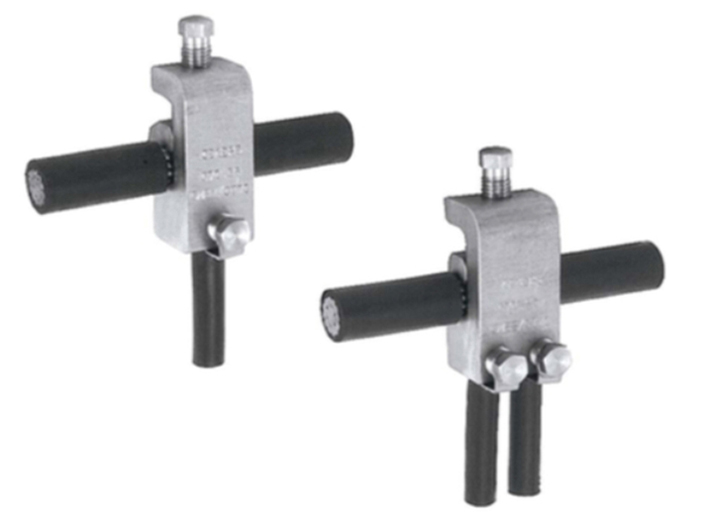
Identify the Conductor Type and Material
The first step is understanding the material and structure of the conductors in your system.
Key considerations:
Aluminum conductors
Copper conductors
Aluminum–copper mixed systems
Solid or stranded conductors
Choose an IPGC specifically designed for your conductor material to ensure proper contact, corrosion resistance, and electrical performance.
Confirm Conductor Size and Cross-Section Range
Each insulation piercing ground connector is rated for a specific conductor size range.
When selecting:
Verify the main conductor cross-section (mm² or AWG)
Confirm grounding conductor size compatibility
Avoid undersized or oversized connectors, which may cause poor contact or mechanical instability
Always refer to the manufacturer’s conductor range specifications.
Check Voltage and Current Rating
Different projects require different electrical ratings.
Ensure the connector:
Matches the system voltage level (low or medium voltage)
Supports the expected fault current and grounding current
Complies with local electrical codes and utility standards
Using an IPGC with inadequate ratings can compromise safety and system performance.
Consider Installation Environment
Environmental conditions directly affect connector performance and lifespan.
Evaluate:
Indoor vs. outdoor installation
Exposure to UV radiation, moisture, or chemicals
Temperature extremes
Vibration or mechanical stress
For outdoor or industrial applications, select connectors with UV-resistant housings, corrosion-resistant contacts, and sealed designs.
Evaluate Installation Method and Efficiency
Installation speed and consistency are critical in many projects.
Look for features such as:
Shear head (torque-controlled) bolts
Tool-free or standard-tool installation
Clear visual confirmation of proper tightening
These features help reduce installation errors and improve overall efficiency.
Verify Grounding Performance Requirements
Grounding systems demand low and stable contact resistance.
When choosing an IPGC:
Ensure it provides sufficient contact area
Confirm long-term contact pressure stability
Review test data for electrical resistance and mechanical strength
This is especially important for critical grounding points in power distribution systems.
Ensure Compliance with Standards and Certifications
Always select connectors that comply with recognized standards.
Common references include:
IEC standards
EN standards
Utility or grid operator specifications
Compliance ensures compatibility, safety, and acceptance in regulated projects.
Match the Connector to the Application Scenario
Different projects may require different IPGC designs.
Common application-based selections:
Overhead distribution lines
Pole-mounted equipment grounding
Street lighting systems
Industrial power networks
Renewable energy grounding
Choosing a connector designed for your specific application improves performance and installation reliability.
Consider Long-Term Maintenance and Lifecycle Cost
A good IPGC should offer maintenance-free operation throughout its service life.
Evaluate:
Resistance to corrosion and aging
Stability under thermal cycling
Manufacturer warranty and technical support
Lower maintenance requirements result in reduced total cost of ownership.
Select a Reliable Manufacturer or Supplier
Finally, work with a trusted supplier.
A reliable manufacturer provides:
Clear technical documentation
Stable product quality
Consistent performance across batches
Professional after-sales support
This is especially important for large-scale or long-term projects.
Conclusion
Choosing the right insulation piercing ground connector is not just about size or price—it’s about matching technical specifications, environmental conditions, and application requirements. By considering conductor type, size, ratings, installation environment, and standards compliance, you can ensure a safe, efficient, and long-lasting grounding solution.
For modern power distribution and industrial projects, a well-selected insulation piercing ground connector plays a vital role in protecting both people and equipment.
FAQ
1. How do I know which insulation piercing ground connector is compatible with my conductor?
Check the conductor material (aluminum, copper, or mixed) and cross-sectional size, then match it to the connector’s rated conductor range as specified by the manufacturer.
2. Can insulation piercing ground connectors be used in both low- and medium-voltage systems?
Yes. Ensure the connector’s voltage and current ratings meet your system’s requirements and comply with local electrical codes.
3. Are insulation piercing ground connectors suitable for outdoor installations?
Yes. For outdoor applications, choose connectors with UV-resistant housings, corrosion-resistant contacts, and sealed designs to ensure long-term durability.
4. What is the benefit of torque-controlled (shear head) bolts in IPGCs?
Torque-controlled bolts guarantee consistent contact pressure, prevent over- or under-tightening, and ensure reliable long-term electrical and mechanical performance.
5. Do I need special tools to install an insulation piercing ground connector?
Most connectors require standard tools, but some models have tool-free or quick-install features. Always follow the manufacturer’s installation instructions.
6. How do I ensure long-term grounding performance?
Select a connector with proper material compatibility, corrosion resistance, and stable mechanical design. Regular inspections may be required in harsh industrial environments.