
Introduction
Aluminum alloy pole brackets are essential components in outdoor installations, offering durable support, corrosion resistance, and lightweight strength. From street lighting to solar panel mounts, these brackets provide a reliable solution for securing poles and mounted equipment. This article explores the types, sizes, and applications of aluminum alloy pole brackets, helping engineers, contractors, and project planners select the right solution for their projects.
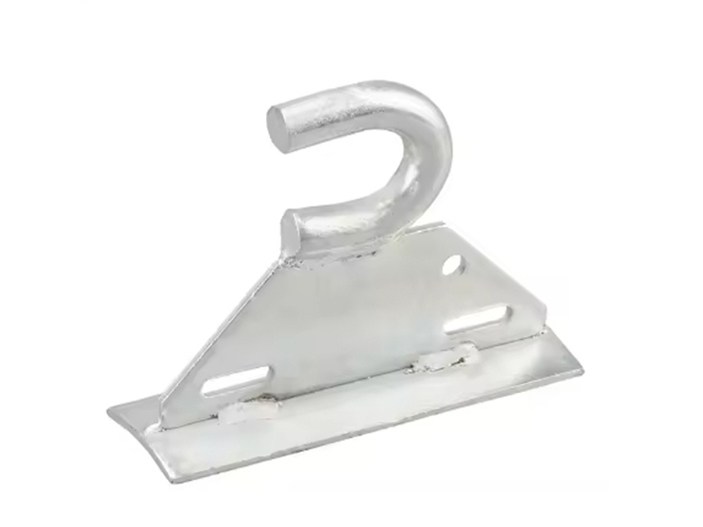
What Is an Aluminum Alloy Pole Bracket?
An aluminum alloy pole bracket is a mounting accessory made from high-strength aluminum alloy. It is designed to support and secure poles, cross-arms, lights, antennas, or other equipment in outdoor or industrial settings.
Key advantages:
Lightweight yet strong
Excellent corrosion and weather resistance
Low maintenance requirements
Suitable for harsh environments, including coastal and industrial areas
Types of Aluminum Alloy Pole Brackets
Aluminum alloy pole brackets come in a variety of designs to meet different installation needs. Common types include:
2.1 Straight Pole Brackets
Simple, straight design
Used to mount poles or equipment vertically or horizontally
Suitable for street lights, signage, and small antennas
2.2 Adjustable Pole Brackets
Allows angle or orientation adjustment
Ideal for solar panels or lighting fixtures requiring optimal positioning
Provides flexibility for uneven terrain or varied installations
2.3 Crossarm or “L” Shaped Brackets
Extend from the pole to provide additional mounting points
Used for multiple light fixtures, transformers, or equipment
Enhances load distribution and stability
2.4 Decorative or Architectural Brackets
Designed for aesthetic applications such as parks, gardens, or urban streets
Often used for LED lamps, decorative lighting, or signage
Combines functional strength with visual appeal
Sizes of Aluminum Alloy Pole Brackets
Aluminum alloy pole brackets are manufactured in different sizes to accommodate various pole diameters and loads:
Small brackets: Suitable for poles 40–60 mm in diameter; commonly used for street lights or small signage
Medium brackets: Fits poles 60–100 mm in diameter; ideal for heavier lighting fixtures or communication antennas
Large brackets: Designed for poles larger than 100 mm; used in high-load applications such as transformers, solar arrays, or industrial equipment
Tip: Always select a bracket size that matches the pole diameter and intended load to ensure safety and stability.
Applications of Aluminum Alloy Pole Brackets
Aluminum alloy pole brackets are widely used in various sectors:
4.1 Street Lighting
Mounting LED street lamps or traditional luminaires
Lightweight brackets reduce installation effort
Corrosion-resistant surface ensures long-term outdoor durability
4.2 Traffic and Safety Signage
Supporting traffic signs and directional boards
Adjustable brackets allow precise positioning
Provides reliable stability in windy or harsh weather
4.3 Solar Panel Installations
Adjustable brackets optimize panel angle for maximum sunlight exposure
Lightweight yet strong enough for rooftop or ground-mounted panels
4.4 Communication and Antenna Poles
Mounting antennas, Wi-Fi equipment, or small telecom devices
Brackets provide secure support while minimizing vibration
4.5 Decorative and Architectural Lighting
Parks, gardens, and urban street lighting
Brackets designed to complement aesthetics while providing strong support
Factors to Consider When Choosing a Pole Bracket
When selecting an aluminum alloy pole bracket, consider the following:
Pole diameter and bracket compatibility
Load capacity and intended application
Environmental conditions: coastal areas, industrial exposure, temperature extremes
Mounting type: fixed or adjustable
Compliance with local standards and regulations
Choosing the right bracket ensures safety, reliability, and long-term performance.
Conclusion
Aluminum alloy pole brackets are versatile and durable solutions for supporting poles and equipment in various applications, from street lighting and signage to solar panels and communication devices. By understanding the types, sizes, and applications, you can select the right bracket for your project, ensuring both structural stability and long-term durability.
FAQ
1. What is an aluminum alloy pole bracket used for?
Aluminum alloy pole brackets are used to mount and support poles, lights, antennas, solar panels, and signage in outdoor and industrial applications. They provide lightweight, durable, and corrosion-resistant support.
2. What types of aluminum alloy pole brackets are available?
Common types include:
Straight brackets for simple vertical or horizontal mounting
Adjustable brackets for flexible positioning
Crossarm or L-shaped brackets for multiple mounting points
Decorative brackets for aesthetic applications in parks, gardens, and urban areas
3. How do I choose the right size of pole bracket?
Consider:
Pole diameter
Load of the equipment to be mounted
Application type (street light, signage, solar panel, etc.)
Choosing the correct size ensures stability and safety.
4. Can aluminum alloy pole brackets withstand outdoor environments?
Yes. High-quality brackets are corrosion-resistant, UV-resistant, and durable, making them suitable for street lighting, traffic signage, solar installations, and coastal or industrial environments.
5. Are adjustable aluminum alloy brackets better than fixed brackets?
Adjustable brackets allow angle or orientation adjustments, which is beneficial for solar panels, lighting fixtures, or uneven terrain. Fixed brackets are simpler and often used for standard installations like street lights.
6. Can aluminum alloy pole brackets support heavy equipment?
Yes, but it depends on the size, design, and load rating of the bracket. Always check the manufacturer’s specifications to ensure the bracket can handle the intended weight safely.
7. How do I maintain aluminum alloy pole brackets?
Generally, little maintenance is required. Regular inspection for corrosion or loose bolts is recommended in harsh environments to ensure long-term stability.