
Introduction
Aluminium PG clamps (Parallel Groove Clamps) are essential connection components in overhead power systems. Their ability to provide both reliable electrical conductivity and strong mechanical support makes them suitable for low-, medium-, and high-voltage networks.
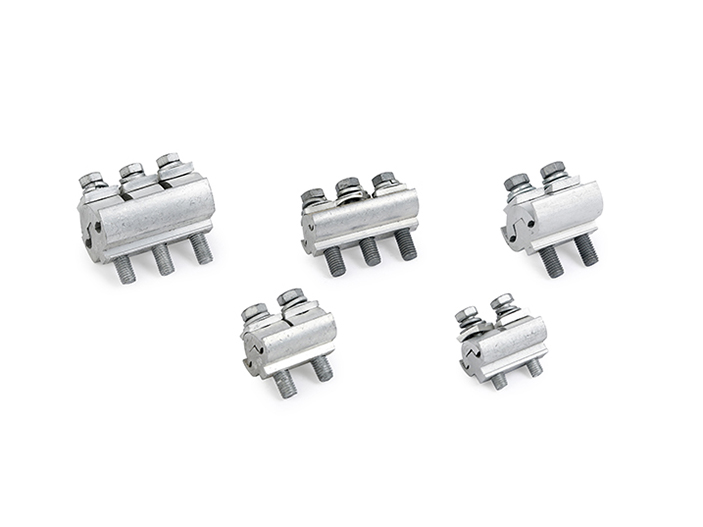
Role of Aluminium PG Clamps in Power Networks
In power networks, conductor connections must meet strict requirements for:
Electrical continuity
Mechanical stability
Thermal performance
Long-term outdoor durability
Aluminium PG clamps are designed to connect parallel conductors without cutting the main line, making them ideal for tapping, branching, and jumper connections across various voltage classes.
Use of Aluminium PG Clamps in Low Voltage Networks
1 Typical Applications
In low voltage (LV) networks, aluminium PG clamps are commonly used for:
Service line tapping connections
Street lighting systems
Pole-mounted distribution equipment
Temporary and emergency connections
2 Performance Benefits
At low voltage levels, PG clamps offer:
Fast installation with basic tools
Reliable electrical contact with minimal resistance
Cost-effective solutions for dense distribution networks
Their simplicity and reusability make them especially popular for utility maintenance work.
Use of Aluminium PG Clamps in Medium Voltage Networks
1 Typical Applications
In medium voltage (MV) distribution systems, aluminium PG clamps are used for:
Jumper connections at poles and crossarms
Branch connections in overhead feeders
Connections near switches and reclosers
2 Mechanical and Electrical Reliability
Medium voltage networks require higher mechanical strength and improved contact stability. Aluminium PG clamps meet these demands by providing:
Strong clamping force to withstand wind and vibration
Uniform pressure distribution to maintain low contact resistance
Compatibility with AAC, AAAC, and ACSR conductors
Use of Aluminium PG Clamps in High Voltage Networks
1 Typical Applications
In high voltage (HV) transmission networks, aluminium PG clamps are typically used for:
Jumper connections on transmission towers
Grounding and earthing connections
Temporary connections during line maintenance
2 Design Considerations
For high voltage applications, aluminium PG clamps must meet stricter technical requirements:
High mechanical strength to handle large conductor tension
Smooth surface design to reduce corona discharge risk
Compliance with international standards such as IEC and ANSI
High-quality aluminium PG clamps ensure stable performance under extreme electrical and environmental conditions.
Why Aluminium PG Clamps Are Suitable Across All Voltage Levels
Aluminium PG clamps remain effective across LV, MV, and HV networks due to:
Excellent conductivity of aluminium alloy
Lightweight design for easy handling and installation
Corrosion resistance for long-term outdoor use
Wide size range to match different conductor diameters
Selection Tips for Different Voltage Networks
When selecting aluminium PG clamps for different voltage levels, consider:
Conductor material and size
Required mechanical load capacity
Environmental conditions
Applicable industry standards and certifications
Choosing the right clamp ensures safety, reliability, and compliance with project specifications.
Conclusion
Aluminium PG clamps play a vital role in low, medium, and high voltage networks by providing dependable electrical and mechanical connections. Their versatility, durability, and ease of installation make them a preferred choice for utilities and contractors worldwide.
Whether used in residential distribution lines or high-voltage transmission systems, aluminium PG clamps contribute significantly to the stability and efficiency of modern power networks.
FAQ
Q1: Can aluminium PG clamps be used in high voltage transmission lines?
Yes, specially designed aluminium PG clamps are suitable for high voltage applications when they meet required standards.
Q2: Are aluminium PG clamps suitable for temporary connections?
Yes, they are often used for both temporary and permanent connections.
Q3: Do different voltage levels require different PG clamp designs?
Yes, higher voltage networks typically require clamps with higher mechanical strength and improved surface finish.