
Introduction
In modern power distribution and grounding systems, reliability, safety, and installation efficiency are critical. One component that has become increasingly important in overhead and distribution networks is the Insulation Piercing Ground Connector (IPGC).
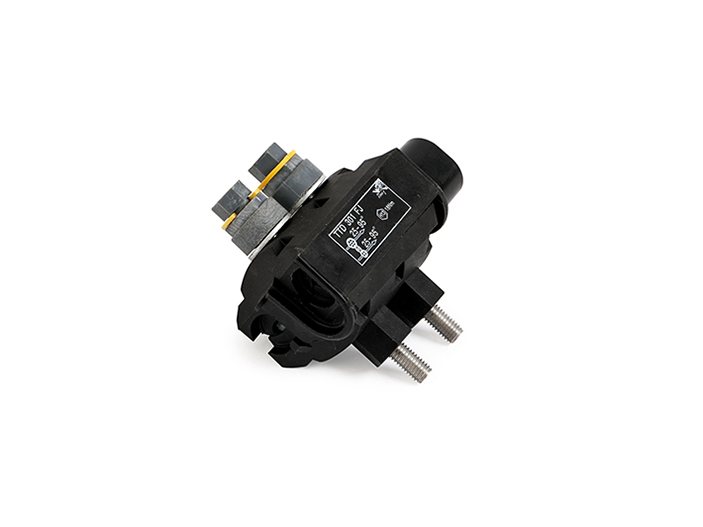
What Is an Insulation Piercing Ground Connector?
An Insulation Piercing Ground Connector is a mechanical electrical connector designed to establish a grounding or earthing connection without removing the insulation from a conductor.
It is commonly used to connect:
Insulated phase or neutral conductors
Grounding or earthing conductors
IPGCs are widely applied in overhead power lines, distribution networks, and utility grounding systems, where fast and reliable grounding connections are required.
Main Components of an Insulation Piercing Ground Connector
A typical insulation piercing ground connector consists of:
1.Insulation Piercing Teeth or Blades
These hardened metal teeth are designed to pierce through the cable insulation when the connector is tightened, creating direct electrical contact with the conductor.
2. Connector Body
The body is usually made from high-strength, corrosion-resistant aluminum alloy or copper alloy, providing mechanical strength and excellent conductivity.
3.Shear Head or Torque-Controlled Bolts
Most IPGCs use shear head bolts that break off at a predefined torque. This ensures:
Correct contact pressure
Consistent electrical performance
Easy and error-free installation
4.Insulated Housing
The outer housing is typically made from UV-resistant, weatherproof insulating material, protecting the connection from moisture, dust, and environmental exposure.
How Does an Insulation Piercing Ground Connector Work?
The working principle of an insulation piercing ground connector is simple and efficient:
Positioning
The insulated conductor and the grounding wire are placed into the connector without stripping the insulation.
Tightening
As the bolts are tightened, the piercing teeth penetrate the insulation and make direct contact with the metal conductor.
Electrical Contact
The teeth create a stable, low-resistance electrical path between the conductor and the grounding wire.
Torque Control
When the required torque is reached, the shear head bolt breaks off, ensuring optimal contact pressure without over-tightening.
This process results in a reliable grounding connection that is fast, repeatable, and maintenance-free.
Key Functions of Insulation Piercing Ground Connectors
1.Reliable Grounding Connection
IPGCs provide a stable electrical path for fault current, helping protect equipment and personnel during electrical faults.
2.No Insulation Removal Required
By eliminating the need for insulation stripping, IPGCs:
Reduce installation time
Minimize conductor damage
Improve overall safety
3.Consistent Electrical Performance
Controlled contact pressure ensures low contact resistance and long-term performance, even under vibration and thermal cycling.
Advantages of Insulation Piercing Ground Connectors
Fast and easy installation
No need for special tools or cable preparation
Reliable electrical contact and low resistance
Strong resistance to corrosion and environmental conditions
Reduced maintenance requirements
These advantages make IPGCs ideal for modern power distribution and grounding systems.
Typical Applications
Insulation piercing ground connectors are widely used in:
Overhead low and medium voltage distribution lines
Grounding of insulated conductors
Utility pole grounding systems
Street lighting and public infrastructure
Renewable energy distribution networks
Safety and Standards Considerations
High-quality insulation piercing ground connectors are designed to comply with relevant IEC, EN, or utility standards, ensuring:
Safe grounding performance
Mechanical reliability
Long service life in outdoor environments
Always verify product certification and application compatibility before installation.
Conclusion
An insulation piercing ground connector is an efficient and reliable solution for grounding insulated conductors without removing insulation. By combining mechanical strength, controlled piercing technology, and easy installation, IPGCs help improve safety, reduce installation time, and ensure long-term performance in modern power distribution systems.
Choosing the right insulation piercing ground connector is essential for building safe, reliable, and cost-effective electrical grounding solutions.
FAQ
1. What is the main purpose of an insulation piercing ground connector?
The main purpose of an insulation piercing ground connector (IPGC) is to create a reliable grounding or earthing connection without stripping the cable insulation. It ensures safe fault current discharge while reducing installation time and minimizing conductor damage.
2. How does an insulation piercing ground connector make electrical contact?
An IPGC uses sharp piercing teeth or blades that penetrate the insulation when the connector is tightened. These teeth make direct contact with the conductor core, forming a low-resistance and stable electrical connection.
3. Do insulation piercing ground connectors damage the conductor?
No. When properly installed, insulation piercing ground connectors are designed to pierce only the insulation, not weaken or significantly damage the conductor. Controlled torque systems ensure consistent pressure and long-term reliability.