
Introduction
Aluminium alloy tension brackets are critical components in overhead power lines, transmission towers, and distribution networks. Their ability to support conductors under tension while withstanding environmental stress depends heavily on the materials used. Understanding the material properties of these brackets helps engineers select the right components for safe, efficient, and long-lasting installations.
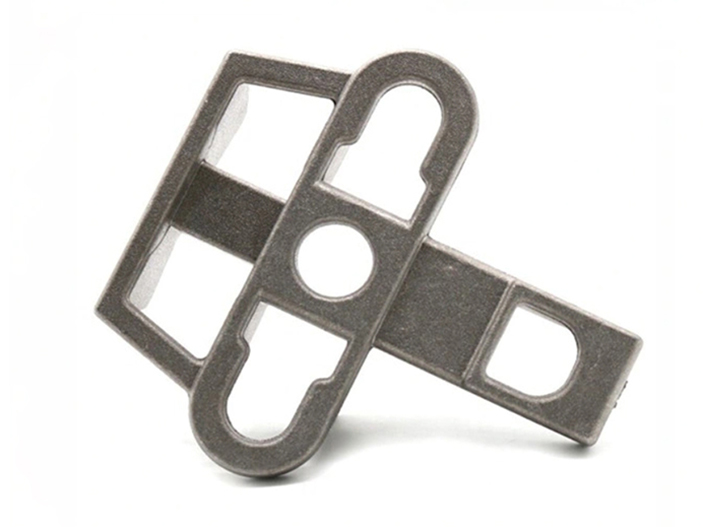
High Strength-to-Weight Ratio
One of the most important properties of aluminium alloy tension brackets is their high strength-to-weight ratio.
Benefits:
Reduced structural load on poles and towers
Easier handling and installation
Capability to withstand high mechanical loads without deformation
This property ensures that brackets can safely support conductors under tension while remaining lightweight and manageable during installation.
Corrosion Resistance
Aluminium alloys naturally form a protective oxide layer that resists corrosion, making them ideal for outdoor and harsh environments.
Benefits:
Long service life in coastal, industrial, and high-humidity areas
Minimal maintenance requirements
Protection against atmospheric oxidation and chemical exposure
Corrosion resistance is critical for ensuring the reliability of tension brackets over decades of service.
Thermal and Electrical Stability
Aluminium alloys maintain stable mechanical properties under temperature fluctuations. They also offer some level of electrical conductivity, which can be beneficial in grounding or bonding applications.
Benefits:
Reliable performance under extreme weather conditions
Reduced risk of mechanical failure from thermal expansion or contraction
Compatibility with electrical hardware in overhead lines
This ensures that brackets maintain tension and structural integrity even under varying environmental conditions.
Excellent Ductility and Toughness
Aluminium alloy tension brackets combine strength with ductility, allowing them to absorb shocks and vibrations caused by wind, ice, or conductor movement.
Benefits:
Reduced risk of cracks or sudden failure
Ability to withstand electrodynamic forces during short circuits or sudden loads
Enhanced resilience in dynamic outdoor conditions
High toughness is essential for brackets located in exposed or high-load areas.
Lightweight Construction
Aluminium’s low density makes aluminium alloy tension brackets significantly lighter than steel alternatives, without compromising strength.
Benefits:
Easier transportation and installation
Lower labor costs
Reduced load on poles, crossarms, and towers
Enhanced overall efficiency of line construction projects
Compatibility with Surface Treatments
Aluminium alloys are highly compatible with surface treatments such as anodizing, powder coating, or passivation.
Benefits:
Further improves corrosion resistance
Enhances UV protection for long-term outdoor exposure
Improves aesthetic appearance of hardware
Provides additional mechanical protection against scratches and wear
Environmental and Sustainability Benefits
Aluminium is recyclable and requires less energy for long-term maintenance compared to steel or other metals.
Benefits:
Reduced environmental impact
Cost-effective lifecycle management
Supports sustainable infrastructure and green energy projects
Sustainability is increasingly important in utility and renewable energy projects.
Summary of Benefits
| Material Property | Benefits |
| High strength-to-weight ratio | Supports heavy loads, easy installation |
| Corrosion resistance | Long service life, low maintenance |
| Thermal and electrical stability | Reliable under temperature fluctuations |
| Ductility and toughness | Absorbs shocks and vibration |
| Lightweight construction | Reduced labor, easier handling |
| Surface treatment compatibility | Enhanced durability and UV protection |
| Recyclability | Sustainable and cost-effective |
Conclusion
The material properties of aluminium alloy tension brackets—strength, corrosion resistance, ductility, lightweight construction, and environmental compatibility—make them ideal for modern power line and utility applications. By selecting brackets with high-quality aluminium alloys, engineers and system designers can ensure safe, efficient, and long-lasting overhead line installations.
Understanding these material properties is key to improving reliability, reducing maintenance, and supporting sustainable infrastructure in power transmission and distribution networks.
FAQ
1. Why are aluminium alloys used for tension brackets instead of steel?
Aluminium alloys offer a high strength-to-weight ratio, corrosion resistance, and lighter construction, making them easier to handle and install while providing long-term durability in outdoor environments.
2. How does corrosion resistance benefit aluminium alloy tension brackets?
Corrosion resistance ensures that the brackets maintain mechanical integrity over decades, even in harsh conditions such as coastal, industrial, or high-humidity areas, reducing maintenance and replacement costs.
3. Are aluminium alloy tension brackets suitable for extreme temperatures?
Yes. Aluminium alloys provide thermal stability, maintaining mechanical strength and tension under temperature fluctuations, making them reliable in both hot and cold climates.
4. How does ductility improve the performance of tension brackets?
Ductility allows the brackets to absorb shocks, vibration, and electrodynamic forces without cracking, improving reliability under wind, ice, and sudden load conditions.
5. What is the advantage of aluminium’s lightweight construction?
Lightweight brackets are easier to transport, handle, and install, reduce labor costs, and impose less mechanical load on poles, crossarms, or towers.