
Introduction
In overhead power transmission and distribution systems, electrical dead end clamps are essential fittings used to anchor aluminum conductors and transfer mechanical loads to supporting structures. Proper selection and installation of these clamps ensure line stability, electrical continuity, and long-term operational safety.
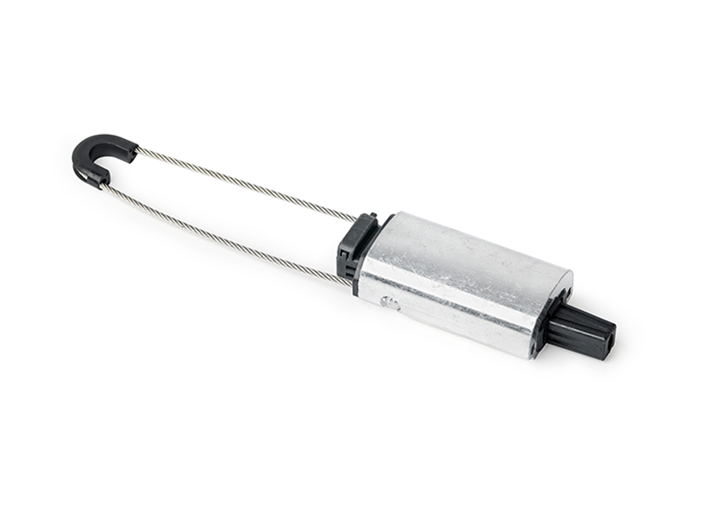
What Are Electrical Dead End Clamps?
An electrical dead end clamp is a mechanical fitting used to secure and terminate overhead conductors at poles, towers, or angle points. Unlike suspension clamps that support conductors vertically, dead end clamps are designed to withstand high tensile forces and maintain conductor position under continuous mechanical stress.
For aluminum conductors, dead end clamps must meet both mechanical strength and electrical performance requirements.
Why Aluminum Conductors Require Specialized Dead End Clamps
Aluminum conductors such as AAC, AAAC, and ACSR are widely used due to their light weight, cost efficiency, and good conductivity. However, aluminum has specific characteristics that affect clamp design:
Lower hardness compared to steel
Higher thermal expansion
Susceptibility to surface oxidation
Electrical dead end clamps for aluminum conductors are engineered to address these challenges while ensuring secure anchoring.
Structural Design of Electrical Dead End Clamps for Aluminum Conductors
Aluminum Alloy Clamp Body
The clamp body is typically made from high-strength aluminum alloy, offering:
Excellent compatibility with aluminum conductors
Reduced risk of galvanic corrosion
High strength-to-weight ratio
Conductor Gripping Mechanism
Electrical dead end clamps use optimized gripping structures such as:
Wedge-type self-locking designs
Compression or bolted grip systems
These designs provide sufficient friction without damaging conductor strands.
Electrical Contact Surface
A smooth and well-machined contact surface ensures:
Stable electrical continuity
Reduced contact resistance
Minimal power loss and overheating
Some clamps are treated with conductive grease to further improve contact performance.
Mechanical and Electrical Performance Benefits
Electrical dead end clamps for aluminum conductors offer several key advantages:
High tensile strength for anchoring long spans
Secure grip without conductor deformation
Low electrical resistance at contact points
Excellent corrosion resistance for outdoor use
These features ensure both mechanical stability and reliable power transmission.
Applications in Overhead Line Systems
Electrical dead end clamps for aluminum conductors are commonly used in:
Overhead transmission lines
Distribution networks
Angle poles and terminal towers
Long-span crossings and high-load sections
They are suitable for medium- and high-voltage overhead lines.
Installation Considerations
To achieve optimal performance, proper installation is essential:
Match the clamp to conductor diameter and type
Follow recommended torque values
Ensure clean contact surfaces
Avoid over-tightening, which may damage aluminum strands
Correct installation maximizes both mechanical load capacity and electrical performance.
Standards and Quality Requirements
High-quality electrical dead end clamps are manufactured and tested according to international standards such as:
IEC standards for overhead line fittings
ASTM material and performance standards
GB standards for power transmission hardware
Testing typically includes tensile strength, slip resistance, and electrical continuity verification.
Conclusion
Electrical dead end clamps designed for aluminum conductors play a critical role in overhead line systems by providing secure anchoring, efficient load transfer, and stable electrical performance. Their specialized structural design and material selection ensure compatibility with aluminum conductors and long-term reliability in demanding environments.
Selecting certified electrical dead end clamps and installing them correctly is essential for safe and efficient power transmission.
FAQ
1. What is the function of an electrical dead end clamp in overhead lines?
An electrical dead end clamp is used to anchor aluminum conductors at terminal or angle points, transferring tensile forces from the conductor to poles or towers while maintaining stable electrical contact.
2. Which aluminum conductors are compatible with electrical dead end clamps?
Electrical dead end clamps are commonly used with:
AAC (All Aluminum Conductor)
AAAC (All Aluminum Alloy Conductor)
ACSR (Aluminum Conductor Steel Reinforced)
Each clamp must be matched to the specific conductor size and structure.
3. Do dead end clamps affect the electrical performance of aluminum conductors?
When properly designed and installed, electrical dead end clamps maintain low contact resistance and do not negatively affect conductivity. Smooth contact surfaces and conductive treatments help ensure stable electrical performance.
4. How is conductor damage prevented during installation?
Special gripping designs, controlled torque values, and optional protective liners prevent excessive compression and strand damage, ensuring long-term conductor integrity.
5. Are aluminum electrical dead end clamps suitable for high-voltage lines?
Yes. High-quality aluminum electrical dead end clamps are widely used in medium- and high-voltage overhead transmission lines, provided they meet the required mechanical and electrical standards.
6. How do these clamps handle thermal expansion of aluminum conductors?
The clamp structure allows controlled movement and uniform pressure distribution, accommodating thermal expansion and contraction without loss of grip or electrical contact.
7. What standards apply to electrical dead end clamps for aluminum conductors?
Common standards include IEC, ASTM, and GB, covering material quality, tensile performance, slip resistance, and electrical continuity.
8. Can aluminum electrical dead end clamps be used in coastal or corrosive environments?
Yes. Aluminum alloy materials and anti-corrosion surface treatments provide excellent resistance in coastal, industrial, and high-humidity environments.