
Introduction
Aerial fiber optic installations, particularly those using ADSS (All-Dielectric Self-Supporting) cables, require reliable mechanical fittings to ensure long-term performance, safety, and stability. Among these fittings, ADSS clamp brackets play a critical role in supporting, securing, and protecting cables along poles and towers. This article explores the function, design, and benefits of ADSS clamp brackets in aerial fiber optic systems.
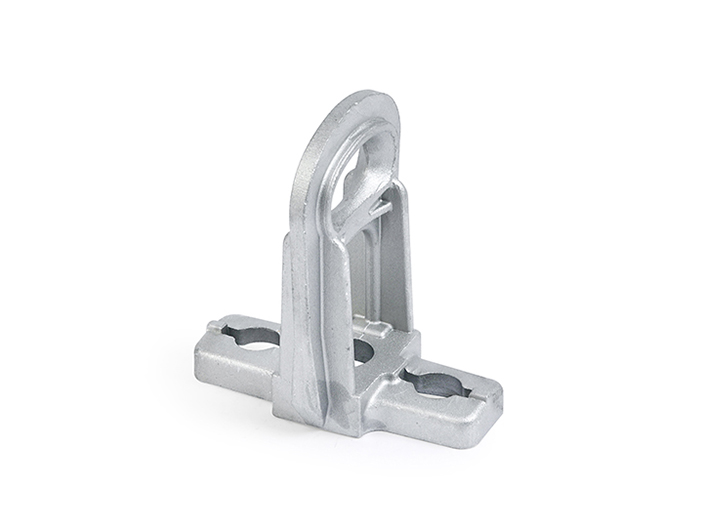
What Is an ADSS Clamp Bracket?
An ADSS clamp bracket is a mechanical support device designed to securely hold ADSS cables in place while transferring tensile forces to poles, towers, or other supporting structures. Unlike traditional cable clamps, ADSS clamp brackets are engineered to handle the unique characteristics of dielectric, self-supporting fiber optic cables.
Key features include:
Lightweight yet strong construction (often aluminum alloy or high-strength polymer)
Corrosion-resistant materials suitable for outdoor exposure
Compatibility with various cable diameters and tension ratings
The Importance of ADSS Clamp Brackets in Fiber Optic Installations
ADSS cables are self-supporting, meaning they bear their own weight across spans without the need for messenger wires. This design reduces installation complexity but increases the demand for reliable support at suspension and dead-end points. ADSS clamp brackets provide the following benefits:
2.1 Mechanical Load Management
Clamp brackets transfer the axial tensile forces of the cable to the pole or tower, ensuring the cable remains under proper tension. They help prevent:
Cable sagging
Excessive bending
Mechanical fatigue or damage
2.2 Protection of Fiber Optic Cables
Fiber optic cables are sensitive to sharp bends and point loads. ADSS clamp brackets are designed to distribute stress evenly, protecting the cable from crushing or deformation during installation and operation.
2.3 Alignment and Stability
Clamp brackets maintain proper cable alignment along the pole line, reducing lateral movement caused by wind or ice loading. This stability minimizes signal attenuation risks and maintains system performance.
Types of ADSS Clamp Brackets
ADSS clamp brackets are typically classified based on their function and cable installation point:
3.1 Suspension Clamp Brackets
Used along straight spans to support and suspend the cable
Designed to allow some movement while maintaining tensile support
Reduce stress concentrations and allow thermal expansion/contraction
3.2 Dead-End Clamp Brackets
Used at anchor points or line terminations
Fix the cable securely in place, transferring full tensile load to the supporting structure
Essential for corner poles, end poles, and long-span sections
3.3 Angle and Terminal Brackets
Designed for bends, line angles, and intersections
Maintain proper cable geometry and prevent excessive stress
Material and Performance Considerations
The performance of ADSS clamp brackets depends heavily on material choice:
Aluminum Alloy: High strength-to-weight ratio, corrosion resistance, lightweight for easy installation
Polymer / Composite Materials: Lightweight, resistant to UV and chemicals, non-conductive (ideal for live power lines)
Stainless Steel Components: Sometimes used for bolts, nuts, or reinforcement to ensure durability
Performance factors to consider:
Maximum tensile load of the cable
Span length and wind/ice load
Temperature range and environmental exposure
Installation Guidelines
Proper installation is critical for system reliability:
Select the right bracket type and size for cable diameter and tension rating
Align the bracket with the intended cable path to prevent bending stress
Secure bolts or fasteners according to manufacturer torque specifications
Inspect for proper clamping pressure, avoiding over-tightening that could damage the cable
Correct installation ensures long-term durability and reduces the risk of fiber breakage or signal loss.
Conclusion
ADSS clamp brackets are an essential component of aerial fiber optic installations. They provide mechanical support, protect cables from stress, maintain alignment, and ensure long-term performance of ADSS fiber optic systems. By choosing the right bracket type, material, and installation method, network engineers and EPC contractors can achieve reliable, safe, and high-performance aerial fiber optic networks.
FAQ
1. What is the primary function of an ADSS clamp bracket?
The main function of an ADSS clamp bracket is to securely support and anchor ADSS fiber optic cables along poles or towers, transferring tensile loads while protecting the cable from bending, sagging, or mechanical damage.
2. What types of ADSS clamp brackets are commonly used?
ADSS clamp brackets are typically classified as:
Suspension brackets – for supporting cables along straight spans
Dead-end brackets – for anchoring cables at end points or corners
Angle/terminal brackets – for line bends and intersections
3. What materials are used for ADSS clamp brackets?
Common materials include:
Aluminum alloy – lightweight, strong, corrosion-resistant
High-strength polymers/composites – UV and chemical resistant, non-conductive
Stainless steel components – used for bolts, nuts, or reinforcements
4. Can ADSS clamp brackets handle wind and ice loads?
Yes. Properly designed ADSS clamp brackets distribute mechanical loads evenly, ensuring stability even under wind, ice, and environmental stresses.
5. How do ADSS clamp brackets protect fiber optic cables?
They prevent sharp bends, excessive stress, and point loads on the cable. This reduces the risk of fiber breakage, signal loss, and premature cable wear.