
Introduction
Outdoor fiber optic networks are exposed to a variety of environmental stresses, including rain, humidity, UV radiation, extreme temperatures, and chemical pollutants. To ensure long-term reliability, fiber optic cable accessories—such as clamps, brackets, splice closures, and connectors—must be designed with corrosion resistance and durability in mind. This article explores the factors affecting outdoor performance and why high-quality materials are essential for outdoor fiber optic installations.
Importance of Corrosion Resistance in Outdoor Fiber Optic Accessories
Fiber optic cable accessories are critical components that support, protect, and secure cables in aerial, underground, or pole-mounted installations. Corrosion can compromise their structural integrity, leading to:
Cable sagging or misalignment
Mechanical failures at attachment points
Reduced service life of fiber optic networks
Signal degradation due to stress on cables
High corrosion resistance ensures that accessories maintain mechanical stability and continue to protect fiber optic cables under harsh environmental conditions.
Common Outdoor Environmental Challenges
Outdoor fiber optic accessories face multiple environmental stressors:
2.1 Moisture and Humidity
Rain, condensation, and high humidity can accelerate corrosion of metal components, especially bolts, nuts, and brackets.
2.2 UV Radiation
Prolonged exposure to sunlight can degrade polymer-based components if they are not UV-stabilized, causing cracks, brittleness, or discoloration.
2.3 Temperature Extremes
Outdoor environments may experience large temperature variations. Accessories must resist thermal expansion and contraction without deformation.
2.4 Chemical and Industrial Pollutants
Acid rain, salt spray in coastal areas, and industrial emissions can corrode metal surfaces, reducing durability and performance.
Materials That Enhance Corrosion Resistance and Durability
Choosing the right materials is critical for long-term outdoor performance:
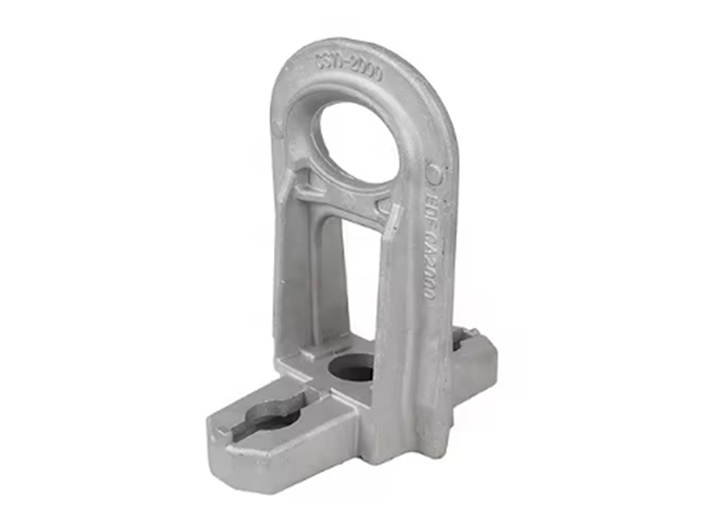
3.1 Aluminum Alloy
Lightweight, strong, and naturally corrosion-resistant
Often used in brackets, clamps, and hangers
Resistant to salt spray and industrial environments
3.2 Stainless Steel
High mechanical strength and excellent corrosion resistance
Ideal for bolts, screws, and load-bearing components
3.3 High-Quality Polymers and Composites
UV-stabilized, chemical-resistant, and electrically insulating
Used in cable glands, splice closures, and protective housings
3.4 Coatings and Surface Treatments
Powder coating, anodizing, or galvanization adds extra protection to metal components
Extends service life even under harsh environmental conditions
Design Considerations for Durability
Durability is not only about materials; design also plays a key role:
Rounded edges and smooth surfaces reduce stress points that can accelerate corrosion
Proper sealing in closures and connectors prevents water ingress
Load distribution in brackets and clamps prevents localized mechanical stress
Modular design allows for easy inspection and replacement without damaging the cable
Benefits of Using Corrosion-Resistant Accessories
Investing in high-quality, corrosion-resistant fiber optic accessories offers several advantages:
Extended Service Life: Components last longer, reducing maintenance frequency
Improved Network Reliability: Fewer failures ensure uninterrupted data transmission
Cost Savings: Reduced replacement costs and downtime
Enhanced Safety: Strong and durable components minimize risks of falling cables or hardware failure
Typical Applications
Corrosion-resistant outdoor fiber optic accessories are used in:
Aerial fiber optic networks (ADSS and OPGW cables)
Pole-mounted and tower-mounted installations
FTTH/FTTX networks in outdoor environments
Substation, industrial, and coastal installations
Underground cable entry points and outdoor enclosures
Conclusion
The durability and corrosion resistance of outdoor fiber optic accessories are critical for maintaining reliable and safe fiber optic networks. By selecting high-quality materials, UV-stabilized polymers, and corrosion-resistant metals—and ensuring proper design and installation—network engineers and contractors can maximize the service life of their outdoor fiber optic systems.
Investing in corrosion-resistant accessories not only protects your network but also reduces long-term maintenance costs and ensures stable, high-performance data transmission.
FAQ
1. Why is corrosion resistance important for outdoor fiber optic accessories?
Corrosion can weaken clamps, brackets, closures, and connectors, leading to mechanical failures, cable sagging, and reduced service life. Corrosion-resistant accessories ensure long-term stability and network reliability in harsh outdoor environments.
2. What materials are commonly used for corrosion-resistant fiber optic accessories?
Common materials include:
Aluminum alloy: Lightweight, strong, and naturally corrosion-resistant
Stainless steel: High strength and excellent resistance to corrosion
UV-stabilized polymers/composites: Chemically resistant and electrically insulating
3. Can polymer accessories withstand outdoor UV and chemical exposure?
Yes. High-quality, UV-stabilized polymers are designed to resist sunlight, moisture, and chemical pollutants, preventing brittleness, cracking, or discoloration over time.
4. How do coatings improve the durability of fiber optic accessories?
Powder coating, anodizing, or galvanization provides an extra protective layer on metal components, preventing corrosion and extending service life, especially in coastal or industrial environments.
5. Are corrosion-resistant accessories suitable for high-voltage fiber optic installations?
Yes. Aluminum alloy, stainless steel, and polymer components are commonly used in ADSS, OPGW, and other aerial fiber optic installations along high-voltage power lines without compromising safety.