
Introduction
Suspension bridges rely on complex cable systems to safely transfer enormous loads from the bridge deck to towers and anchorages. Among the critical components within this system, the suspension bridge cable clamp plays a vital structural and mechanical role. This article explains what a suspension bridge cable clamp is, its main structural components, and how it works within a suspension bridge cable system.
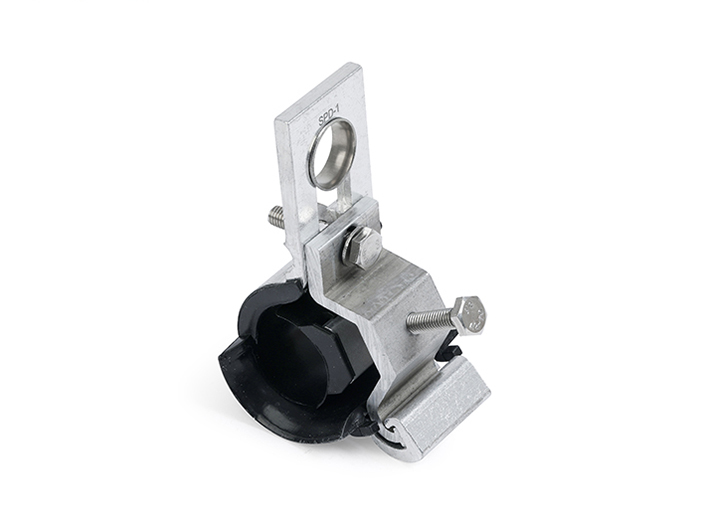
What Is a Suspension Bridge Cable Clamp?
A suspension bridge cable clamp is a mechanical fastening device used to secure vertical hangers or secondary cables to the main suspension cable. Its primary function is to ensure reliable load transfer from the bridge deck to the main cable without causing damage or excessive stress concentration.
Unlike temporary fastening devices, bridge cable clamps are permanent structural elements designed to withstand long-term static loads, dynamic traffic loads, wind-induced vibration, and environmental exposure.
Cable clamps are commonly used in:
Long-span suspension bridges
Self-anchored suspension bridges
Pedestrian and light-traffic suspension bridges
Structural Components of a Suspension Bridge Cable Clamp
Although designs may vary depending on bridge size and load requirements, a typical suspension bridge cable clamp consists of the following components:
1 Clamp Halves (Upper and Lower Shells)
The clamp body is usually divided into two symmetrical halves that enclose the main cable. These halves are precisely machined to match the cable diameter, ensuring uniform contact pressure and minimizing cable strand damage.
2 High-Strength Bolts and Nuts
High-strength bolts connect the two clamp halves and provide the required clamping force. These fasteners are designed to resist:
Tensile loads
Shear forces
Fatigue from repeated traffic loading
3 Hanger Connection Interface
Most cable clamps include a hanger socket, clevis, or pin connection that links the vertical hanger to the clamp. This interface allows controlled articulation and prevents bending stress in the hanger rod or cable.
4 Protective Liners or Inserts (Optional)
In some designs, liners made of softer materials or corrosion-resistant coatings are added between the clamp and the main cable to:
Reduce fretting fatigue
Improve corrosion protection
Enhance long-term durability
Working Principle of a Suspension Bridge Cable Clamp
The working principle of a suspension bridge cable clamp is based on frictional grip and load distribution.
When the clamp is installed and the bolts are tightened to a specified torque:
The clamp halves apply uniform radial pressure around the main cable.
This pressure generates sufficient friction to prevent slippage under vertical hanger loads.
The vertical load from the bridge deck is transmitted through the hanger to the clamp.
The clamp transfers the load evenly into the main cable without damaging individual strands.
Proper clamp design ensures that:
Stress concentrations are minimized
Cable strands are not crushed or deformed
Long-term fatigue performance is maintained
Materials Used in Suspension Bridge Cable Clamps
To meet high structural and durability requirements, suspension bridge cable clamps are typically manufactured from:
High-strength carbon steel – widely used for its excellent load-bearing capacity
Ductile iron – offers good toughness and vibration resistance
Alloy steel – used in large-span or high-load bridge applications
Surface treatments such as hot-dip galvanizing, thermal spraying, or protective paint systems are commonly applied to enhance corrosion resistance, especially in coastal or high-humidity environments.
Importance of Cable Clamps in Suspension Bridge Safety
Cable clamps are small in size compared to towers or main cables, but their importance is critical. A well-designed and properly installed cable clamp ensures:
Reliable load transfer from deck to main cable
Structural stability of the entire suspension system
Long service life with minimal maintenance
Compliance with bridge design standards and safety regulations
Failure or improper installation of cable clamps can lead to uneven load distribution, excessive cable movement, and increased fatigue risk.
Conclusion
A suspension bridge cable clamp is a key structural component that connects hangers to the main suspension cable, enabling safe and efficient load transfer. Through its carefully engineered structure and working principle based on frictional grip and stress distribution, the cable clamp plays an essential role in the safety and durability of suspension bridges.
Understanding its structure, materials, and working mechanism is fundamental for bridge designers, engineers, and infrastructure equipment suppliers involved in suspension bridge projects.
FAQ
Q1: Do cable clamps damage the main suspension cable?
No. Properly designed clamps distribute pressure evenly and are installed with controlled torque to avoid strand damage.
Q2: Are cable clamps standardized or custom-made?
Many clamps are custom-designed based on cable diameter, load requirements, and bridge specifications.
Q3: How long do suspension bridge cable clamps last?
With appropriate materials and corrosion protection, cable clamps can last for decades, matching the service life of the bridge.