
Introduction
Plastic cable clamps are widely used in electrical, automotive, and industrial wiring due to their lightweight design, corrosion resistance, and ease of installation. However, choosing the right plastic cable clamp is essential to ensure cable protection, secure routing, and long-term reliability. This guide outlines the key factors to consider when selecting plastic cable clamps for your wiring project.
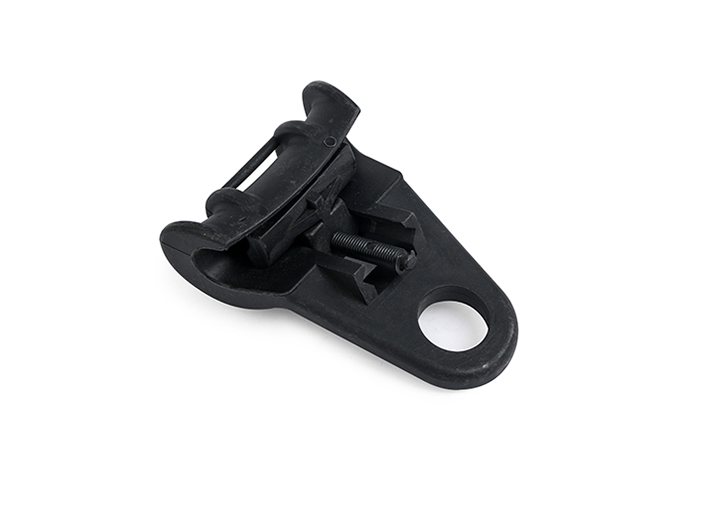
Identify the Cable Type and Diameter
The first step in choosing a plastic cable clamp is understanding the cable you need to secure.
Measure the outer diameter of the cable or wire bundle
Check whether the cable is single-core, multi-core, or a harness
Consider insulation thickness and flexibility
Selecting a clamp that closely matches the cable diameter ensures a firm hold without compressing or damaging the insulation.
Choose the Right Plastic Material
Different applications require different plastic materials. Common options include:
Nylon (PA6 / PA66) – High strength, good heat resistance, widely used in electrical and industrial environments
Polypropylene (PP) – Lightweight, cost-effective, suitable for indoor wiring
PVC – Flexible, often used in light-duty or decorative cable management
For demanding environments, flame-retardant or UV-stabilized nylon clamps are recommended.
Consider Environmental Conditions
Environmental exposure significantly affects clamp performance and lifespan.
Indoor installations – Standard plastic clamps are usually sufficient
Outdoor installations – UV-resistant and weather-stable materials are essential
High-temperature areas – Choose heat-resistant plastics such as PA66
Humid or corrosive environments – Plastic clamps offer advantages over metal clamps due to corrosion resistance
Matching clamp material to the environment prevents premature aging or failure.
Select the Appropriate Mounting Method
Plastic cable clamps are available with various mounting options:
Screw-mounted clamps – Provide strong and permanent fixation
Push-in or snap-in clamps – Enable quick installation in panels or enclosures
Adhesive-backed clamps – Suitable for light-duty applications without drilling
The mounting method should align with the installation surface and load requirements.
Evaluate Load and Holding Requirements
Although plastic cable clamps are lightweight, they must still support cable weight and movement.
Consider static load from cable weight
Account for vibration in machinery or vehicles
Allow safety margin to prevent clamp fatigue or loosening
For heavier cable bundles, reinforced or multi-point clamps are recommended.
Check Compliance and Safety Standards
In professional electrical installations, compliance matters.
Look for flame-retardant ratings (such as UL94 V-0)
Ensure compatibility with local electrical codes
Confirm material certifications when required
Certified clamps help improve system safety and acceptance in regulated markets.
Match Clamp Design to Application
Different clamp designs serve different purposes:
Single-hole clamps for individual cables
Double or multi-cable clamps for organized routing
Adjustable clamps for varying cable sizes
Choosing the correct design improves cable organization and installation efficiency.
Balance Cost and Long-Term Performance
While plastic cable clamps are generally cost-effective, selecting the lowest-cost option may not always be ideal.
Higher-quality materials offer longer service life
Better grip reduces maintenance and rework
Proper selection lowers overall project costs over time
Conclusion
Choosing the right plastic cable clamp involves more than matching size. By considering cable type, material, environment, mounting method, and safety requirements, you can ensure reliable cable management and long-term performance. Proper clamp selection improves installation quality, protects cables, and enhances overall system reliability.
FAQ
Q1: Are plastic cable clamps strong enough for industrial applications?
Yes. High-quality nylon clamps are widely used in industrial environments when selected according to load requirements.
Q2: Can plastic cable clamps be used outdoors?
Yes, provided they are made from UV-resistant and weather-stable materials.
Q3: Do plastic clamps damage cable insulation?
When correctly sized and installed, plastic clamps securely hold cables without damaging insulation.