
Introduction
In electrical systems, ensuring reliable and safe connections is crucial. One component that plays a key role in achieving this is the aluminium crimp lug. Whether in industrial, residential, or renewable energy applications, these connectors are widely used due to their durability, conductivity, and cost-effectiveness.
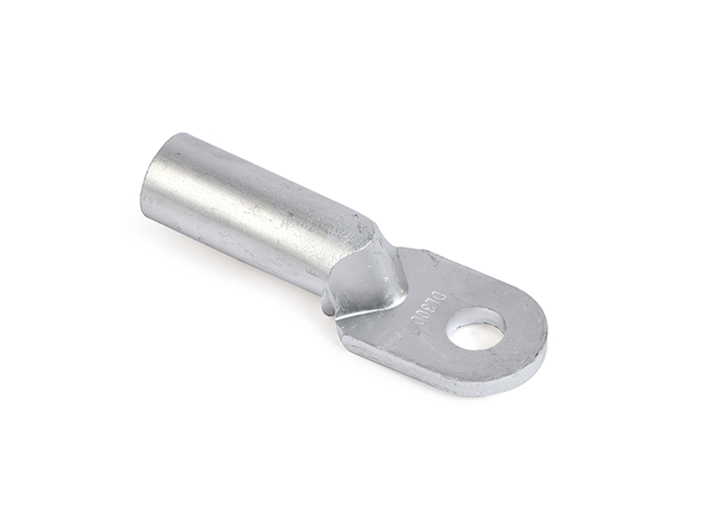
What Are Aluminium Crimp Lugs?
Aluminium crimp lugs are metal connectors designed to terminate and secure electrical cables. They are usually tubular or flat at one end, allowing a wire to be inserted, while the other end has a hole to attach the lug to a terminal or busbar.
Key features include:
Material: Made from aluminium, which provides excellent conductivity while being lightweight and resistant to corrosion.
Design: Often pre-tinned or coated to prevent oxidation.
Usage: Commonly used in power distribution, control panels, battery connections, and solar power systems.
Why aluminium?
Aluminium offers a balance of cost, strength, and electrical performance. It is ideal for medium- and high-voltage applications where copper may be too expensive or heavy.
How Do Aluminium Crimp Lugs Work?
The primary function of a crimp lug is to create a secure mechanical and electrical connection between a cable and a terminal.
The working principle involves three steps:
Wire Preparation
Strip the insulation from the end of the aluminium cable.
Ensure the conductor strands are clean and untangled.
Insertion
Insert the stripped cable end into the crimp barrel of the aluminium lug.
Crimping
Use a crimping tool (manual, hydraulic, or mechanical) to compress the lug around the cable.
The crimp creates mechanical stability and electrical conductivity, ensuring minimal resistance and preventing overheating.
Proper crimping is essential. An improperly crimped lug can lead to loose connections, voltage drops, or even electrical fires.
Types of Aluminium Crimp Lugs
Aluminium crimp lugs come in various designs to meet different installation needs:
Tubular Lugs – Cylindrical design, ideal for straight wire insertion.
Flat Lugs (Blade or Fork Type) – Easier to bolt onto terminals or busbars.
Mechanical Lugs – May include screws for easier installation without crimping.
Pre-Tinned Lugs – Coated with tin to resist oxidation and improve conductivity.
Applications of Aluminium Crimp Lugs
Aluminium crimp lugs are versatile and widely used in:
Power distribution systems – Connecting high-current aluminium cables in substations or switchgears.
Renewable energy – Solar panels and wind turbines often use aluminium lugs due to lightweight and corrosion resistance.
Industrial equipment – Machinery and motor connections.
Residential wiring – Large-scale battery banks or aluminium feeder lines.
Tips for Selecting the Right Aluminium Crimp Lug
Choosing the correct aluminium crimp lug ensures safety and efficiency:
Cable Size Compatibility: Ensure the lug matches the wire gauge.
Voltage and Current Ratings: Verify the lug can handle the system’s load.
Terminal Type: Select tubular or flat lugs depending on your connection point.
Environmental Conditions: Use pre-tinned or coated lugs in humid or corrosive environments.
Crimping Tool Compatibility: Check that the lug is compatible with your crimping tool type.
Maintenance and Safety
Inspect crimped lugs periodically for signs of corrosion, overheating, or looseness.
Avoid mixing aluminium and copper directly; use bimetallic transition lugs if necessary.
Always follow manufacturer guidelines for crimping pressure and technique.
Conclusion
Aluminium crimp lugs are essential components in modern electrical systems, providing reliable, durable, and efficient connections. Understanding their types, working principles, and proper installation ensures safe operation and long-term performance. Whether you’re working with industrial equipment, renewable energy systems, or residential wiring, choosing the right aluminium crimp lug is critical for both safety and efficiency.
FAQ
1. What is the difference between aluminium crimp lugs and copper crimp lugs?
Aluminium crimp lugs are lighter and more cost-effective than copper lugs. However, copper has slightly better conductivity. Aluminium is ideal for medium- to high-voltage applications, while copper is preferred for compact or high-current systems where maximum conductivity is needed.
2. Can I crimp aluminium lugs with the same tools as copper lugs?
Not always. Aluminium is softer than copper, so specific crimping dies or tools designed for aluminium are recommended to ensure a secure connection and prevent conductor damage.
3. How do I know the correct size of aluminium crimp lug for my cable?
Check the wire gauge (AWG or mm²) and the current rating of your system. The lug should match the conductor size exactly. Using a lug that is too small or too large can lead to loose connections or overheating.
4. Can aluminium lugs be used outdoors or in humid environments?
Yes, but it is recommended to use pre-tinned or coated aluminium lugs to resist oxidation and corrosion. Proper sealing and protection against moisture will extend their lifespan.
5. Is it safe to connect aluminium and copper wires together using aluminium crimp lugs?
Direct aluminium-to-copper connections can cause galvanic corrosion. Use bimetallic transition lugs designed specifically for connecting aluminium and copper safely.