
Introduction
Ensuring safe and reliable electrical connections is critical in any system, whether industrial, residential, or renewable energy. Aluminium crimp lugs are widely used to terminate and connect aluminium cables due to their durability, conductivity, and corrosion resistance. However, proper installation is essential to prevent loose connections, voltage drops, or overheating.
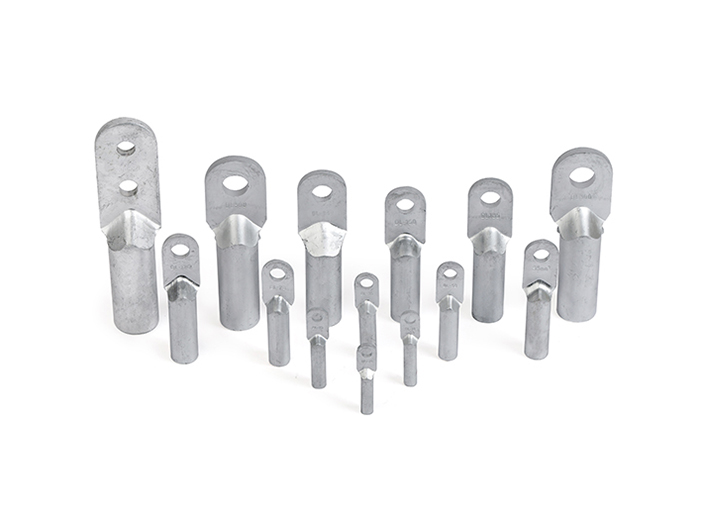
Understand Aluminium Crimp Lugs
Before installation, it’s important to know what you’re working with. Aluminium crimp lugs are metal connectors that allow you to terminate a cable on one end and attach it to a terminal or busbar on the other.
Key points:
Material: Aluminium, often pre-tinned or coated for corrosion resistance.
Design: Tubular, flat (blade/fork), or mechanical.
Purpose: Provides both mechanical stability and electrical conductivity.
Gather Required Tools and Materials
To ensure proper installation, you’ll need:
Correct aluminium crimp lugs matching your cable size and current rating.
Wire stripper to remove insulation.
Crimping tool suitable for aluminium lugs (manual, hydraulic, or mechanical).
Heat shrink tubing or insulation tape for additional protection (optional).
Bimetallic transition lugs if connecting aluminium to copper.
Prepare the Aluminium Cable
Measure and strip the cable:
Remove insulation from the end of the aluminium wire, exposing enough conductor to fit completely inside the lug barrel.
Clean the conductor:
Ensure strands are untangled and free of oxidation or debris.
Check cable compatibility:
The cable gauge should match the crimp lug size for optimal conductivity.
Insert the Cable into the Lug
Slide the stripped cable into the crimp barrel of the aluminium lug.
Ensure that all strands enter the barrel without fraying.
The conductor should sit fully inside the lug to create a solid connection.
Crimp the Aluminium Lug
Proper crimping is crucial for both safety and electrical performance:
Select the right crimping die for the lug type and size.
Position the lug in the crimper: Center it to ensure even compression.
Apply firm, consistent pressure until the lug is securely crimped around the cable.
Inspect the crimp: The lug should not move, and the conductor should be tightly secured.
Add Insulation and Protection
Optional: Slide heat shrink tubing over the crimped lug and apply heat to seal.
Alternatively, use high-quality insulation tape to cover exposed areas.
This step helps prevent corrosion, moisture ingress, and accidental short circuits.
Secure the Lug to the Terminal or Busbar
Align the lug hole with the terminal stud or busbar.
Use the appropriate nut and bolt to secure the connection.
Tighten to the manufacturer-recommended torque to prevent loosening.
Avoid mixing aluminium and copper directly—use bimetallic transition lugs if necessary.
Test the Connection
After installation, check for looseness or excessive movement.
Test for continuity and voltage drop using a multimeter to ensure proper electrical performance.
Recheck periodically as part of regular maintenance.
Common Mistakes to Avoid
Using a crimping tool not rated for aluminium lugs.
Inserting too little or too much conductor into the lug.
Failing to secure the lug properly to the terminal or busbar.
Neglecting insulation and environmental protection.
Conclusion
Proper installation of aluminium crimp lugs ensures safe, durable, and efficient electrical connections. By carefully preparing the cable, selecting the right tools, crimping correctly, and securing the lug, you can prevent common issues like voltage drops, overheating, or loose connections.
Whether for industrial systems, renewable energy installations, or residential wiring, following these steps will maximize both performance and safety.
FAQ
1. What tools do I need to install aluminium crimp lugs?
You need aluminium crimp lugs of the correct size, a wire stripper, a suitable crimping tool (manual, hydraulic, or mechanical), and optionally heat shrink tubing or insulation tape for protection.
2. How do I choose the right aluminium crimp lug for my cable?
Check the wire gauge (AWG or mm²), the current rating, and the terminal type. The lug must match the cable size and application to ensure safe and efficient connections.
3. Can I use a copper crimping tool for aluminium lugs?
Not recommended. Aluminium is softer than copper, so using a tool designed for aluminium ensures proper compression and avoids conductor damage.
4. How much insulation should I strip from the aluminium cable?
Strip enough insulation so that the entire conductor fits fully into the crimp barrel. Too little or too much can cause poor contact or loose connections.
5. Should I use heat shrink tubing or insulation tape?
Yes. Heat shrink tubing or high-quality insulation tape protects the crimped lug from corrosion, moisture, and accidental short circuits, especially in outdoor or humid environments.
6. Can aluminium lugs be connected directly to copper terminals?
Direct aluminium-to-copper connections can cause galvanic corrosion. Use bimetallic transition lugs to safely connect aluminium wires to copper terminals.
7. How do I know if the crimp is done correctly?
A proper crimp is tight, uniform, and does not allow the conductor to move. Inspect visually and optionally test with a multimeter for continuity and voltage drop.
8. How often should aluminium crimp lugs be inspected?
Regular inspection is recommended, especially in industrial or high-current systems. Look for looseness, discoloration, or corrosion, and re-tighten or replace lugs as needed.