
Introduction
In the power and telecommunications industries, ensuring reliable cable management and equipment fastening is crucial for safety, efficiency, and long-term system performance. 304 stainless steel ties with buckles have become a preferred solution for these sectors due to their strength, corrosion resistance, and durability.
These stainless steel fastening systems are ideal for securing cables, conduits, pipes, and equipment in harsh environments, from outdoor utility poles to indoor control panels. This article explores the common applications of 304 stainless steel ties with buckles in power and telecom industries and why they are essential for industrial installations.
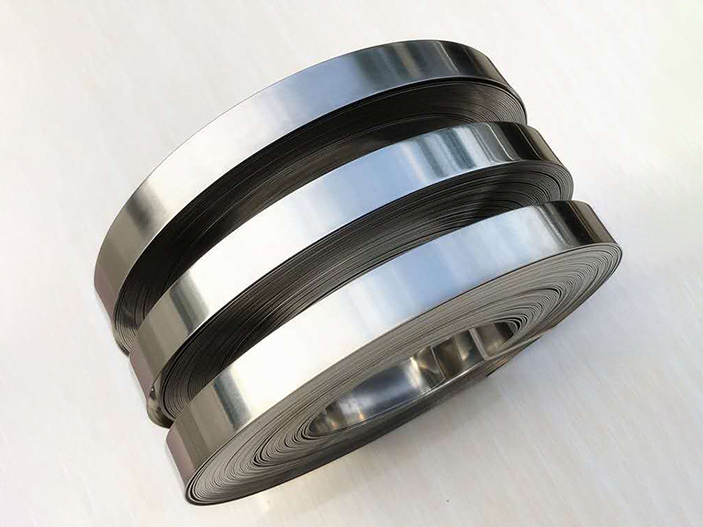
Why Use 304 Stainless Steel Ties in Power and Telecom?
Before diving into applications, it’s important to understand why 304 stainless steel ties are widely adopted in these industries:
High Strength: Can handle large cable bundles and heavy equipment without deforming.
Corrosion Resistance: Performs well in outdoor, humid, or chemically exposed environments.
Temperature Tolerance: Remains stable in extreme heat or cold.
Vibration Resistance: Buckles securely lock the band, preventing loosening due to mechanical vibrations.
Long-Term Reliability: Provides years of maintenance-free service, reducing replacement costs.
These advantages make stainless steel ties a safer and more reliable alternative to plastic ties or other fastening methods.
Applications in the Power Industry
1. Securing Electrical Cables on Utility Poles
Power distribution lines require cable ties that can withstand high winds, rain, and UV exposure. 304 stainless steel ties with buckles are ideal for bundling and securing electrical cables to utility poles, ensuring stable alignment and reduced mechanical strain.
2. Fastening Conduits and Cable Trays
In substations or industrial electrical installations, conduits and cable trays carry high-voltage cables. Stainless steel ties provide robust support and prevent movement or sagging, maintaining organized pathways for electrical wiring.
3. Mounting Electrical Equipment
Transformers, junction boxes, and switchgear often require additional support for mounted components. Stainless steel ties can securely attach brackets, strain reliefs, and smaller auxiliary equipment, ensuring safety and reliability.
4. Outdoor High-Voltage Installations
For outdoor equipment such as transformers or switchgear cabinets, 304 stainless steel ties resist rain, humidity, and temperature changes, maintaining long-term structural stability.
Applications in the Telecom Industry
1. Securing Fiber Optic Cables
Fiber optic networks demand precise cable alignment and protection from mechanical stress. Stainless steel ties with buckles are used to fasten fiber optic cables on poles, towers, and in conduits, preventing tangling and mechanical damage.
2. Mounting Communication Equipment
Outdoor telecom installations, such as base stations and antennas, require durable fasteners for brackets, junction boxes, and cable bundles. Stainless steel ties provide secure, long-lasting attachment even in windy or coastal conditions.
3. Organizing Cables in Data Centers
Inside telecom facilities or data centers, cable management is critical to maintain airflow and prevent interference. Stainless steel ties help organize high-density cable bundles, especially in areas requiring additional strength and fire resistance.
4. Securing Cables in Harsh Environments
Coastal areas or industrial zones expose telecom infrastructure to salt, moisture, and chemical exposure. 304 stainless steel ties resist corrosion, making them ideal for outdoor or industrial telecom deployments.
Benefits for Power and Telecom Applications
Using 304 stainless steel ties with buckles in these industries offers several key benefits:
Durability: Long-lasting solution for outdoor and high-stress applications.
Safety: Prevents accidental cable slippage or equipment detachment.
Maintenance Reduction: Fewer replacements and inspections required compared to plastic ties.
Versatility: Suitable for a wide range of cable sizes, equipment, and mounting structures.
Compliance: Meets industry standards for industrial-grade fastening solutions.
Installation Tips for Industrial Applications
Use a banding tool for proper tension and to cut excess banding.
Select the appropriate band width and thickness for the cable bundle or equipment size.
Ensure buckles are securely locked to prevent loosening under vibration.
Avoid over-tightening to prevent damage to cables or equipment.
Proper installation ensures the maximum performance and longevity of stainless steel tie applications in power and telecom systems.
Conclusion
304 stainless steel ties with buckles are a reliable, heavy-duty solution for fastening and cable management in both power and telecom industries. From utility poles and substations to fiber optic networks and telecom towers, these ties provide strength, corrosion resistance, and long-term stability.
By using stainless steel ties, industrial and telecom installations can achieve organized, safe, and durable cable management, ensuring systems remain operational and maintenance costs are minimized over time.
FAQ
1.Can 304 stainless steel ties be used outdoors?
Yes. They resist rust, corrosion, and UV damage, making them ideal for outdoor power and telecom installations.
2.What types of cables are suitable for stainless steel ties?
They are suitable for electrical, fiber optic, and heavy-duty industrial cables.
3.Do these ties require special tools for installation?
A banding tool is recommended to achieve proper tension and a clean cut.
4.How long can stainless steel ties last in industrial environments?
When installed correctly, they can last many years without replacement, even in harsh conditions.
5.Why are stainless steel ties preferred over plastic ties in these industries?
They provide higher tensile strength, corrosion resistance, temperature tolerance, and vibration resistance — critical factors in power and telecom applications.