
Introduction
In modern electrical installations, ensuring reliable and safe connections between cables and equipment is crucial. One component that plays a pivotal role in achieving this is the Cu-Al connector bimetal lug. Often overlooked, these specially designed cable lugs provide both mechanical stability and electrical performance in environments where copper and aluminum cables meet.
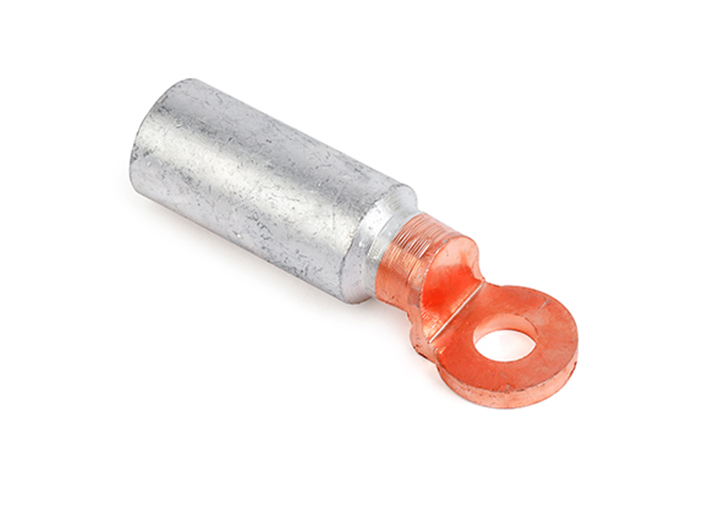
Understanding Cu-Al Connector Bimetal Lugs
A Cu-Al bimetal lug is a type of cable terminal designed to connect copper (Cu) and aluminum (Al) conductors safely. It consists of two sections made of different metals: one side made of copper and the other of aluminum. This design addresses a critical challenge in electrical systems: galvanic corrosion.
When copper and aluminum come into direct contact, especially in the presence of moisture, an electrochemical reaction can occur, causing oxidation, increased resistance, and potential overheating. The bimetallic design of Cu-Al lugs prevents direct metal-to-metal contact and ensures a long-lasting, safe connection.
Key Features of Bimetal Cable Lugs
Dual-Metal Construction – Copper side for copper cables, aluminum side for aluminum cables.
Corrosion Resistance – Minimizes galvanic corrosion between dissimilar metals.
High Conductivity – Ensures low electrical resistance and efficient current flow.
Mechanical Strength – Maintains secure connections even under vibration or thermal expansion.
Compliance with Standards – Many Cu-Al lugs meet IEC, UL, or ANSI standards for electrical safety.
Why Cu-Al Bimetal Lugs Are Essential in Electrical Systems
Prevents Overheating – By reducing contact resistance, bimetal lugs minimize the risk of heat buildup at the junction point.
Extends Cable Lifespan – Protects aluminum and copper cables from corrosion and degradation, reducing maintenance costs.
Enhances System Reliability – Secure, stable connections help maintain continuous electrical flow in industrial and commercial applications.
Versatile Applications – Ideal for use in power distribution panels, switchgear, transformers, and industrial machinery.
Common Applications of Cu-Al Connector Bimetal Lugs
Power Distribution Systems – Connecting copper and aluminum busbars safely.
Transformers – Joining different conductor types without risk of oxidation.
Industrial Equipment – Heavy machinery requiring reliable high-current connections.
Renewable Energy Systems – Solar and wind installations where aluminum cabling is common.
Installation Tips for Optimal Performance
Always match the copper side to copper cables and aluminum side to aluminum cables.
Use appropriate crimping tools and follow manufacturer torque specifications.
Inspect connections periodically for signs of corrosion or loosening.
Apply anti-oxidation compounds if recommended for high-moisture environments.
Conclusion
Cu-Al connector bimetal lugs are small but essential components in modern electrical systems. By combining the strengths of copper and aluminum while preventing galvanic corrosion, these lugs ensure safe, reliable, and efficient power transmission. Whether in industrial, commercial, or renewable energy applications, using bimetal lugs can significantly enhance system safety and reduce maintenance costs.
FAQ
Q1: What is a Cu-Al connector bimetal lug?
A: It is a cable lug designed to safely connect copper and aluminum conductors. One side is made of copper for copper cables, and the other is aluminum for aluminum cables, preventing galvanic corrosion.
Q2: Why are bimetal lugs important in electrical systems?
A: They prevent overheating, reduce contact resistance, protect against corrosion, and ensure reliable connections in power distribution, transformers, and industrial equipment.
Q3: Can I use a standard copper or aluminum lug for copper-to-aluminum connections?
A: No. Using single-metal lugs for dissimilar metals can cause galvanic corrosion, increased resistance, and potential overheating. Bimetal lugs are specifically designed for this purpose.
Q4: How do I install a Cu-Al bimetal lug correctly?
A: Always match the copper side to copper cables and aluminum side to aluminum cables. Use the correct crimping tools, follow torque specifications, and inspect periodically for corrosion or loosening.
Q5: Where are Cu-Al bimetal lugs commonly used?
A: They are widely used in power distribution systems, switchgear, transformers, industrial machinery, and renewable energy installations like solar and wind systems.