
Introduction
Choosing the right mechanical cable connector is critical for the safety, efficiency, and longevity of any electrical installation. Whether you are working on industrial, commercial, or renewable energy projects, selecting an appropriate connector ensures reliable connections, reduces maintenance issues, and prevents electrical faults. This article will guide you through the key considerations for selecting the right mechanical cable connector for your project.
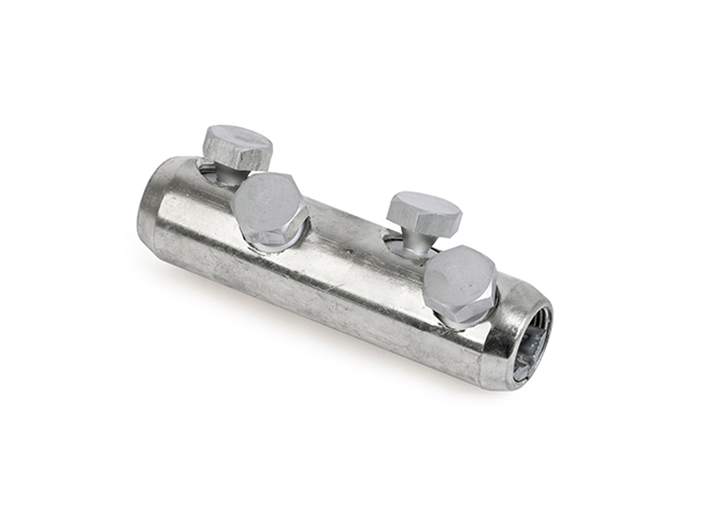
Determine the Cable Type and Size
The first step in selecting a mechanical cable connector is to identify the type and size of the cable you are working with. Mechanical connectors are designed to accommodate various conductor materials and sizes, including:
Copper cables
Aluminum cables
Bi-metallic cables
Consider the Current Rating and Voltage Level
Mechanical cable connectors are rated for specific current capacities and voltage levels. Using a connector that is under-rated can lead to overheating, energy loss, or even electrical fires.
Guidelines:
Match the connector’s ampacity with the maximum load current of the cable.
Ensure the voltage rating exceeds the system’s operating voltage to prevent insulation breakdown.
Consider future load expansions when selecting the connector.
Evaluate Environmental Conditions
The installation environment plays a significant role in connector selection. Mechanical cable connectors may be exposed to:
High humidity or moisture
Corrosive chemicals or saltwater
Extreme temperatures (hot or cold)
Vibrations or mechanical stress
Recommendations:
Choose corrosion-resistant connectors with protective coatings for outdoor or industrial environments.
Use vibration-resistant connectors for motors, generators, or machinery.
For extreme temperatures, ensure the connector materials can withstand thermal expansion without loosening.
Check Compatibility with Existing Equipment
Mechanical cable connectors must be compatible with the equipment or busbars they connect to. Consider:
Terminal hole size and type
Mounting configuration
Space limitations in electrical panels or junction boxes
Assess Installation and Maintenance Requirements
One of the key advantages of mechanical cable connectors is ease of installation and maintenance. However, not all connectors are the same:
Some require only a torque wrench for installation.
Others may include locking mechanisms for vibration resistance.
Consider whether periodic inspection or re-torquing will be needed in your project.
Consider Compliance with Standards
To ensure safety and regulatory compliance, select mechanical cable connectors that meet international or national standards, such as:
IEC (International Electrotechnical Commission) standards
UL (Underwriters Laboratories) certifications
RoHS compliance for environmental safety
Using certified connectors provides assurance of quality, safety, and reliability.
Factor in Budget and Total Cost of Ownership
While it may be tempting to choose the cheapest option, consider the long-term cost benefits:
High-quality connectors reduce maintenance, downtime, and replacement costs.
Reliable connectors improve overall system efficiency and prevent costly electrical failures.
Investing in the right mechanical cable connector upfront saves money and ensures operational reliability over time
Conclusion
Selecting the right mechanical cable connector requires careful consideration of cable type, size, current rating, environmental conditions, compatibility, installation requirements, standards, and cost. By following these guidelines, you can ensure secure, efficient, and long-lasting electrical connections for any industrial, commercial, or renewable energy project.
Choosing the right connector is not just a matter of convenience—it’s a critical step in safeguarding both your electrical system and the people who rely on it.
FAQ
Q1: Can a single connector type work for both copper and aluminum cables?
Yes, some mechanical cable connectors are designed for bi-metallic conductors, but always verify compatibility with the manufacturer.
Q2: How do I know the correct torque for installation?
Refer to the connector’s datasheet or manufacturer guidelines. Use a calibrated torque wrench for precise installation.
Q3: Are mechanical cable connectors suitable for outdoor applications?
Yes, choose corrosion-resistant or weatherproof models for outdoor and harsh environments.
Q4: How often should mechanical connectors be inspected?
Periodic inspection is recommended, especially in environments with vibration, thermal cycling, or extreme conditions.