
Introduction
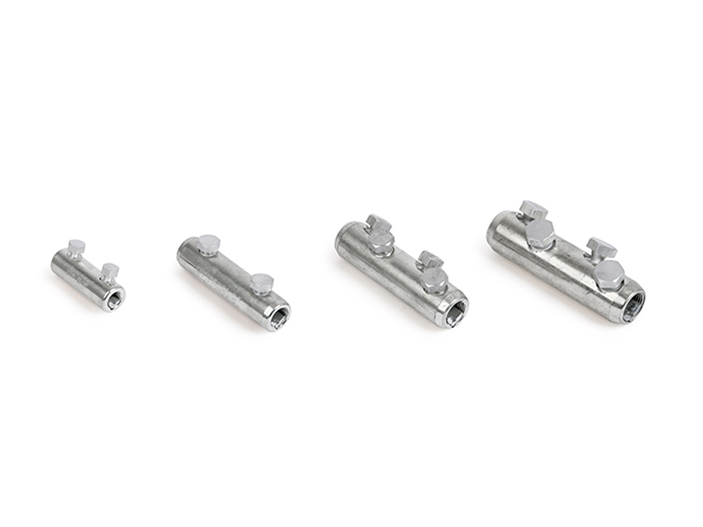
Mechanical cable connectors are essential components in modern electrical installations, providing secure and reliable connections between conductors and equipment. To ensure long-term performance and safety, regular maintenance and inspection of mechanical cable connectors are critical. This article outlines best practices for maintaining and inspecting mechanical cable connectors to prevent failures, extend service life, and ensure system reliability.
Why Maintenance and Inspection Are Important
Mechanical cable connectors are designed for durable, vibration-resistant connections, but over time, environmental factors and mechanical stress can compromise their performance. Common issues include:
Loose connections due to thermal cycling or vibration
Corrosion from moisture, chemicals, or outdoor exposure
Wear or damage to the connector body or bolts
Increased electrical resistance leading to overheating
Regular maintenance and inspection help detect these issues early, reducing the risk of electrical failures, downtime, and safety hazards.
Routine Visual Inspection
Start with visual inspections at regular intervals. Look for signs of wear, damage, or corrosion.
Checklist for visual inspection:
Check for discoloration or oxidation on the connector surface.
Inspect bolts, screws, or clamps for loosening.
Look for cracks or deformation in the connector body.
Ensure insulation or protective coatings are intact.
Check Torque and Tightness
Mechanical cable connectors rely on torque-controlled connections. Over time, thermal expansion, contraction, and vibration can cause connectors to loosen.
Steps to check torque:
Use a calibrated torque wrench to measure the torque on each bolt or screw.
Compare measured torque values with the manufacturer’s recommended specifications.
Re-tighten any loose connections to the specified torque.
Clean and Lubricate Connectors (if applicable)
In some environments, connectors may accumulate dust, dirt, or oxidation. Cleaning and, in certain cases, applying anti-corrosion grease can help maintain conductivity.
Cleaning guidelines:
Use a dry cloth or brush to remove dust and debris.
For corrosion-prone environments, apply a thin layer of anti-oxidation compound suitable for electrical connections.
Avoid harsh chemicals that can damage connector materials or insulation.
Inspect for Environmental Damage
Mechanical cable connectors in industrial, outdoor, or harsh environments may be exposed to moisture, chemicals, or extreme temperatures. Inspect for:
Signs of corrosion or rust
UV degradation of protective coatings
Damage from exposure to acids, alkalis, or solvents
Regular Testing of Electrical Performance
Visual inspections and torque checks are essential, but electrical testing ensures that connectors maintain low contact resistance and safe current-carrying capacity.
Recommended tests:
Measure voltage drop across the connector.
Test for excessive heat generation during normal operation.
Perform continuity tests to verify proper conduction.
Record Keeping and Maintenance Schedule
Keeping detailed records of inspections and maintenance helps track connector performance and predict potential issues.
Best practices:
Maintain a log of inspection dates, findings, and corrective actions.
Include connector type, installation location, and torque values in records.
Follow a periodic maintenance schedule based on manufacturer recommendations and environmental conditions.
Conclusion
Proper maintenance and inspection of mechanical cable connectors are vital for safe and reliable electrical systems. By conducting routine visual inspections, torque checks, cleaning, environmental assessments, and electrical testing, you can extend the service life of connectors, prevent costly downtime, and ensure optimal performance.
Mechanical cable connectors may be durable and low-maintenance, but proactive care ensures that they continue to deliver secure, efficient, and safe connections throughout their operational life.
FAQ
Q1: How often should mechanical cable connectors be inspected?
For most installations, a visual inspection and torque check every 6–12 months is recommended, but high-vibration or harsh environments may require more frequent checks.
Q2: Can mechanical connectors be re-torqued multiple times?
Yes, mechanical connectors are designed for maintenance, but always follow the manufacturer’s torque specifications.
Q3: What should I do if a connector shows signs of corrosion?
Clean minor corrosion and apply anti-oxidation grease; for severe damage, replace the connector.
Q4: Are outdoor mechanical cable connectors maintenance-free?
No connector is completely maintenance-free; however, outdoor-rated, corrosion-resistant connectors reduce the frequency of inspection and maintenance.