
Introduction
As Aerial Bundled Cable (ABC) systems become increasingly common in modern power distribution, the importance of reliable accessories cannot be overstated. Among them, the 4 core dead end clamp is a critical component designed to anchor cables securely while maintaining system safety and longevity.
Understanding the design principles behind these clamps helps engineers, contractors, and buyers make better decisions for performance, durability, and compliance.
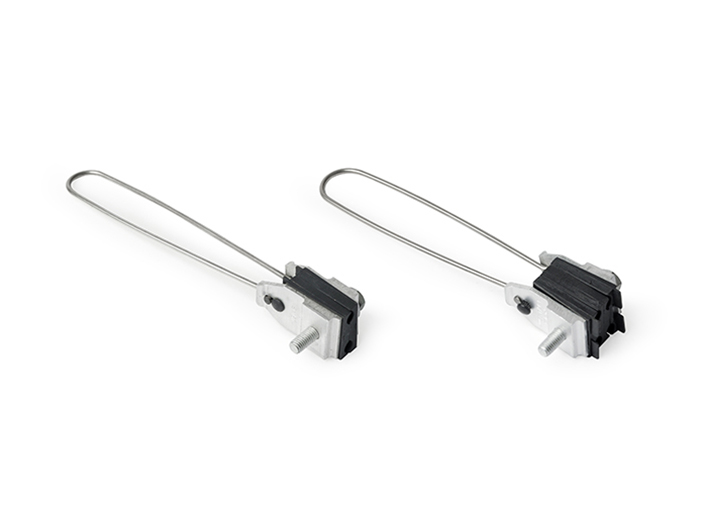
Overview: Why Design Matters
A 4 core dead end clamp is not just a simple fastening device—it must withstand mechanical tension, environmental stress, and long-term outdoor exposure. Poor design can lead to cable slippage, insulation damage, or even system failure.
Therefore, manufacturers follow strict engineering principles to ensure that clamps deliver consistent performance under real-world conditions.
Mechanical Load and Tension Distribution
One of the most critical design principles is the ability to handle high tensile loads.
The clamp must support the full mechanical tension of the ABC cable at termination points
Load is distributed evenly across all four cores to prevent stress concentration
The design often incorporates a self-adjusting wedge mechanism that tightens under load
This ensures that the cable remains stable even under wind, ice, or dynamic load conditions.
Cable Grip Without Insulation Damage
A key challenge in clamp design is achieving a strong grip without harming the cable insulation.
Internal surfaces are engineered to increase friction without sharp edges
Wedge or cone-shaped inserts adapt to different cable sizes
This balance between grip and protection is essential for maintaining both mechanical integrity and electrical safety.
Material Selection and Durability
Material choice plays a major role in clamp performance:
UV-resistant thermoplastic or polymer bodies prevent degradation from sunlight
Hot-dip galvanized steel or stainless steel components resist corrosion
High-strength materials ensure resistance to mechanical fatigue and aging
These materials are selected to guarantee long service life, often exceeding 10–20 years in outdoor environments.
Environmental Resistance Design
4 core dead end clamps are typically installed outdoors, so they must withstand:
Extreme temperatures (hot and cold cycles)
UV radiation from prolonged sun exposure
Humidity, rain, and pollution
Design features such as sealed structures, corrosion-resistant coatings, and weatherproof materials ensure stable performance in harsh environments.
Ease of Installation and Ergonomics
Modern clamp design also emphasizes installation efficiency:
Tool-free or minimal-tool installation reduces labor time
Lightweight yet strong improve handling on-site
Self-locking mechanisms prevent installation errors
This is especially important in large-scale projects where speed and consistency are critical.
Compatibility and Standardization
A well-designed clamp must be compatible with a range of cable sizes and comply with industry standards:
Designed for specific conductor cross-sections (e.g., 4-core ABC cables)
Manufactured according to IEC and utility standards
Tested for mechanical strength, insulation protection, and environmental durability
Standardization ensures that the clamp performs reliably across different projects and regions.
Safety and Fail-Safe Considerations
Safety is at the core of all design principles:
Clamps are designed to fail gradually rather than suddenly
Redundant gripping mechanisms reduce the risk of cable drop
Materials are often flame-retardant and non-conductive
These features help prevent accidents and ensure continuous operation of the power network.
Innovation in Clamp Design
Recent advancements are shaping the next generation of dead end clamps:
Advanced composite materials for higher strength-to-weight ratio
Improved wedge geometries for better grip efficiency
Smart design integration for monitoring mechanical stress
These innovations aim to enhance both performance and ease of use in modern ABC systems.
Conclusion
The design of a 4 core dead end clamp is the result of careful engineering focused on mechanical strength, insulation protection, durability, and ease of installation. Each element—from material selection to gripping mechanism—plays a vital role in ensuring the safety and reliability of ABC cable systems.
For any power distribution project, choosing a clamp designed with these principles in mind is essential for achieving long-term performance and minimizing maintenance risks.
FAQ
Q1: Why is tension distribution important in clamp design?
Uneven tension can cause cable damage or failure. Proper design ensures balanced load across all cores.
Q2: What materials are best for dead end clamps?
UV-resistant polymers combined with galvanized or stainless steel offer the best durability.
Q3: Can poor design affect electrical safety?
Yes, improper grip or insulation damage can lead to faults or short circuits.
Q4: Are all dead end clamps universal?
No, they must match specific cable sizes and system requirements.