
Introduction
Electrical networks—especially overhead low-voltage lines—depend on reliable termination components to ensure safety, stability, and long-term performance. Among these, electrical plastic anchor insulating dead end clamps play a critical role in securing aerial bundled cables (ABC) while providing electrical insulation and mechanical strength.
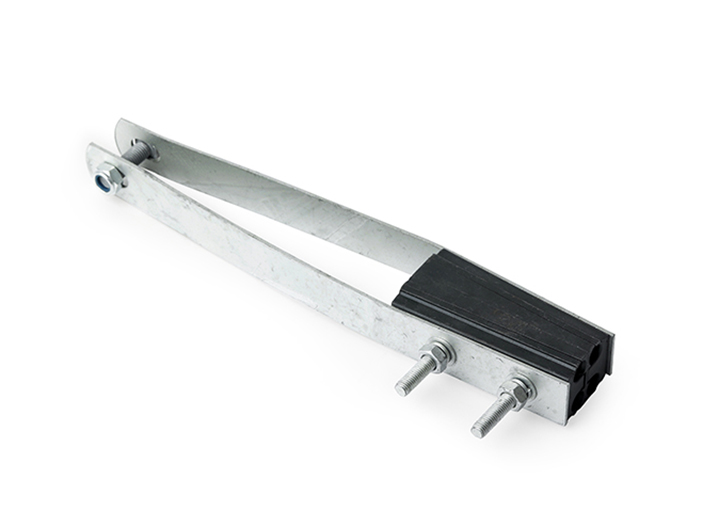
High-Strength Engineering Plastic Construction
One of the most important features of insulating dead end clamps is their durable plastic body, typically made from high-performance thermoplastics such as reinforced nylon or polymer composites.
Benefits:
Lightweight compared to metal alternatives
Corrosion-resistant, ideal for outdoor environments
Long service life with minimal degradation
These materials are specifically engineered to maintain structural integrity even under continuous mechanical load.
Superior Electrical Insulation
Unlike traditional metal clamps, plastic anchor clamps provide natural electrical insulation, which is crucial for safety in overhead line systems.
Key advantages:
Prevents accidental electrical contact
Reduces risk of short circuits
Enhances worker safety during installation and maintenance
Eliminates the need for additional insulating components
This feature is especially important in low-voltage ABC systems, where insulation reliability is critical.
UV and Weather Resistance
Outdoor electrical components must withstand harsh environmental conditions. High-quality dead end clamps are designed with UV-stabilized materials.
Ultraviolet (UV) radiation
Rain, humidity, and temperature fluctuations
Wind and dust exposure
This ensures that the clamp does not crack, fade, or weaken over time, even in extreme climates.
Self-Adjusting Wedge Mechanism
A defining feature of anchor insulating dead end clamps is the self-adjusting wedge system, which securely grips the cable without damaging it.
How it works:
The cable is inserted into the clamp
Internal wedges automatically adjust to the cable diameter
Tension increases grip strength
Advantages:
Fast and easy installation
Prevents slippage under load
This design ensures both efficiency and reliability during installation.
Wide Cable Compatibility
Electrical plastic anchor clamps are designed to accommodate various cable sizes and configurations.
Typical compatibility:
Insulated conductors
This flexibility makes them suitable for a wide range of distribution projects, reducing the need for multiple clamp types.
High Mechanical Load Capacity
Despite their lightweight construction, these clamps are capable of high tensile loads.
Manufacturers often test these clamps according to international standards to ensure reliability under real-world conditions.
Corrosion-Free Design
Since they are made primarily from engineering plastics (often combined with stainless steel components where needed), these clamps offer excellent resistance to corrosion.
This means:
No rust formation
Reduced maintenance requirements
Ideal for coastal and humid environments
This is a major advantage over traditional metal clamps.
Easy and Fast Installation
Time efficiency is crucial in electrical projects. These clamps are designed for quick, tool-free or minimal-tool installation.
Installation benefits:
Reduced labor time
Lower installation cost
Suitable for field conditions with limited equipment
Even technicians with basic training can install them correctly and safely.
Compact and Lightweight Design
Their compact size and lightweight nature make handling and transportation easier.
Advantages:
Easier logistics and storage
Reduced load on supporting structures
Improved installation efficiency at height
Compliance with International Standards
High-quality electrical plastic anchor insulating dead end clamps are manufactured in compliance with international standards such as:
NFC standards (France)
IEC guidelines
Utility-specific requirements
This ensures consistent performance, safety, and compatibility across global markets.
Conclusion
Electrical plastic anchor insulating dead end clamps combine mechanical strength, electrical insulation, and environmental durability in a single component. Their advanced design—featuring UV-resistant materials, self-adjusting wedges, and high load capacity—makes them indispensable in modern overhead cable systems.
Whether used in urban grids, rural electrification, or telecommunications infrastructure, these clamps deliver safe, efficient, and long-lasting cable anchoring solutions.
FAQ
1. What is the main function of an insulating dead end clamp?
It is used to secure and anchor insulated cables at the end of a line while maintaining electrical insulation and mechanical stability.
2. Can plastic clamps replace metal clamps?
Yes, in many low-voltage applications, plastic insulating clamps are preferred due to their corrosion resistance and insulation properties.
3. Are these clamps suitable for extreme weather?
High-quality clamps are designed with UV-resistant and weatherproof materials, making them suitable for harsh environments.
4. Do they require special tools for installation?
Most designs feature tool-free or simple installation, reducing complexity and installation time.
5. How do I choose the right clamp size?
You should consider cable diameter, number of cores, and load requirements to ensure proper fit and performance.