
Introduction
In modern electrical systems, ensuring secure and efficient conductor connections is critical for both safety and performance. Among the various connection solutions available, parallel groove clamps (PG clamps) are widely recognized for their reliability, simplicity, and effectiveness. These connectors are commonly used in power distribution, grounding, and overhead line applications where strong mechanical and electrical connections are required.
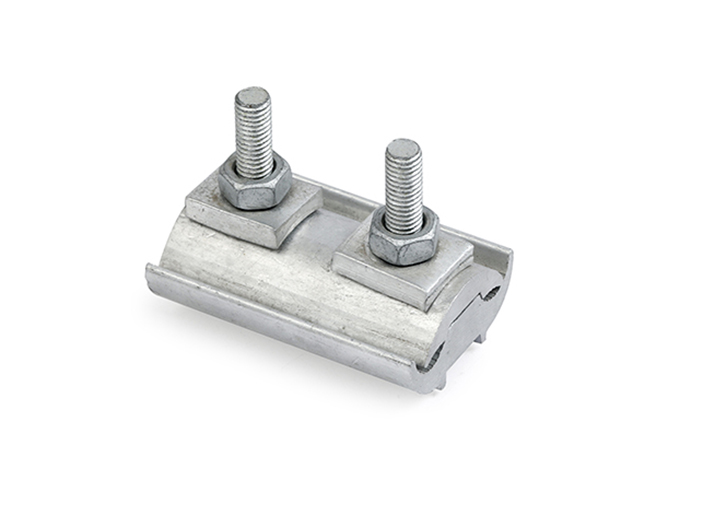
Excellent Electrical Conductivity
One of the primary advantages of parallel groove clamps is their ability to provide excellent electrical conductivity. Designed to maximize contact area between conductors, these clamps reduce contact resistance and ensure efficient current flow.
When made from high-quality materials such as copper or aluminum, PG clamps help minimize energy loss and heat generation, contributing to overall system efficiency.
Strong and Reliable Mechanical Connection
Parallel groove clamps offer a robust mechanical grip that keeps conductors securely in place. The bolted design applies uniform pressure across the conductors, preventing slippage even under vibration or mechanical stress.
This makes them particularly suitable for:
Overhead power lines exposed to wind and tension
Industrial environments with constant movement or vibration
Long-term installations requiring stable connections
Simple and Quick Installation
Ease of installation is another major benefit. Parallel groove clamps typically feature a straightforward bolt-on design that requires only basic tools.
Key installation advantages include:
No need for specialized equipment
Reduced installation time and labor costs
Easy alignment of conductors within the grooves
This simplicity makes them ideal for both new installations and maintenance work.
Versatility in Applications
Parallel groove clamps are highly versatile and can be used in a wide range of electrical applications, including:
Overhead distribution lines
Grounding and bonding systems
Substations and switchgear
Temporary or permanent conductor connections
They are available in different sizes and materials, allowing compatibility with various conductor types and system requirements.
Reusability and Maintenance Efficiency
Unlike some permanent connection methods, parallel groove clamps can often be reused. This provides flexibility during system upgrades, repairs, or reconfigurations.
Additionally:
They can be easily inspected for wear or loosening
Retightening bolts can restore connection performance
Maintenance procedures are simple and cost-effective
Cost-Effective Solution
Parallel groove clamps offer a balance between performance and cost. Their durable design reduces the need for frequent replacements, while their ease of installation lowers labor expenses.
When considering the total lifecycle cost, PG clamps are a highly economical choice for many electrical systems.
Compatibility with Different Materials
These clamps are available in copper, aluminum, and bimetallic versions, making them suitable for different conductor materials.
Copper clamps: Ideal for high conductivity and corrosion resistance
Aluminum clamps: Lightweight and cost-effective
Bimetallic clamps: Designed for connecting dissimilar metals
This flexibility allows engineers to select the most appropriate option for their specific application.
Resistance to Environmental Conditions
Parallel groove clamps are designed to perform reliably in various environmental conditions. High-quality clamps offer resistance to:
Corrosion and oxidation
Temperature fluctuations
Moisture and humidity
This ensures long-term durability, especially in outdoor and harsh environments.
Improved Safety and Reliability
A secure conductor connection reduces the risk of electrical faults, overheating, and energy loss. Parallel groove clamps contribute to overall system safety by maintaining stable electrical contact over time.
Properly installed clamps help prevent:
Loose connections
Arcing and sparking
Unexpected system failures
Adaptability for Future Modifications
Electrical systems often require expansion or modification. Parallel groove clamps make it easier to adjust or extend conductor connections without complex procedures.
Their removable design allows:
Quick disconnection and reconnection
Easy integration of additional conductors
Flexible system upgrades
Conclusion
Parallel groove clamps offer a wide range of advantages for conductor connections, including excellent conductivity, strong mechanical performance, ease of installation, and cost efficiency. Their versatility and reliability make them an essential component in modern electrical infrastructure.
FAQ
1. What makes parallel groove clamps a reliable choice for conductor connections?
They provide both strong mechanical grip and excellent electrical conductivity, ensuring stable and long-lasting connections in various applications.
2. Are parallel groove clamps suitable for high-current applications?
Yes, when properly selected and installed, they can handle high current loads due to their large contact area and low resistance.
3. Can parallel groove clamps be used in outdoor environments?
Yes, they are designed to withstand harsh conditions such as moisture, temperature changes, and corrosion, especially when made from high-quality materials.
4. Do parallel groove clamps require special tools for installation?
No, most clamps can be installed using standard tools like wrenches. However, a torque wrench is recommended for proper tightening.
5. How do parallel groove clamps improve electrical efficiency?
By maximizing contact area and reducing resistance, they minimize energy loss and heat generation, improving overall system efficiency.
6. Are these clamps reusable?
Yes, many parallel groove clamps can be reused if they are not damaged. Always inspect them before reuse to ensure safety and performance.
7. What materials are commonly used for parallel groove clamps?
They are typically made from copper, aluminum, or bimetallic materials, depending on the application and conductor type.
8. Can parallel groove clamps connect different types of conductors?
Yes, but for dissimilar metals like copper and aluminum, bimetallic clamps are recommended to prevent corrosion.
9. How often should parallel groove clamps be inspected?
Inspection frequency depends on the environment and usage, but regular checks are recommended to ensure bolts remain tight and connections are secure.
10. What are the risks of improper installation?
Improper installation can lead to loose connections, overheating, increased resistance, and potential electrical failures or safety hazards.