
Introduction
Split lugs are widely used in electrical systems for connecting and tapping conductors. Their simplicity and versatility make them a popular choice in residential, commercial, and industrial applications. However, choosing the wrong split lug can lead to poor electrical performance, safety risks, and costly rework. Understanding the most common mistakes can help you make a smarter and safer purchasing decision.
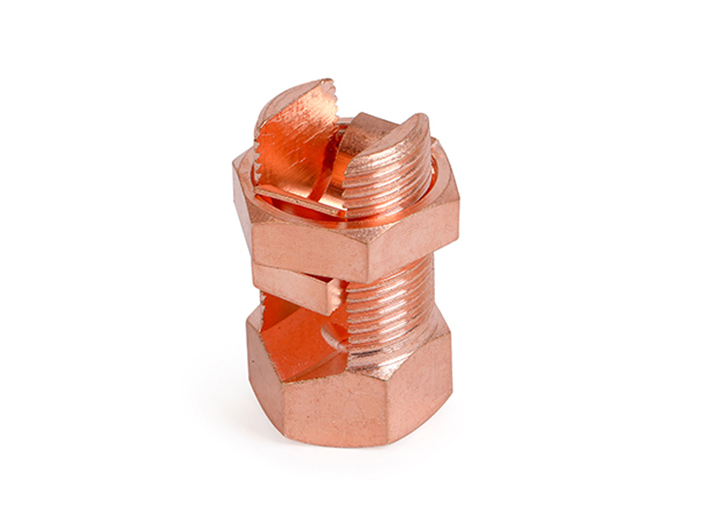
Choosing the Wrong Material
One of the most frequent mistakes is selecting the wrong material for the application.
Copper split lugs offer excellent conductivity and are ideal for high-performance systems
Aluminum split lugs are lighter and more cost-effective but may require proper treatment to prevent oxidation
Failing to match the material with your conductor type can lead to galvanic corrosion and reduced conductivity.
Ignoring Wire Size Compatibility
Split lugs are designed to accommodate specific wire ranges. Choosing a lug that does not match your conductor size can result in:
Loose connections
Increased electrical resistance
Overheating and potential failure
Always check the manufacturer’s specifications for compatible wire gauges before purchasing.
Overlooking Current Rating
Not all split lugs are built to handle the same electrical load. Using a lug with an insufficient current rating can cause overheating and system failure.
Make sure the selected split lug can safely carry the expected current, especially in high-load or industrial applications.
Neglecting Environmental Conditions
Environmental factors play a crucial role in the performance of split lugs.
Outdoor or humid environments require corrosion-resistant materials
Industrial settings may involve vibration, heat, or chemical exposure
Choosing a standard split lug for a harsh environment can significantly shorten its lifespan.
Poor Understanding of Installation Requirements
Some buyers overlook how the split lug will be installed. Important considerations include:
Required tools (e.g., hex key or wrench)
Available installation space
Accessibility for maintenance
Improper installation can lead to loose connections and safety hazards.
Ignoring Contact Surface Quality
The effectiveness of a split lug depends on good electrical contact. Low-quality products may have:
Rough or uneven contact surfaces
Poor machining or finishing
Inconsistent clamping pressure
These issues can increase resistance and reduce the efficiency of the connection.
Focusing Only on Price
Choosing the cheapest option often leads to compromised quality. Low-cost split lugs may:
Use inferior materials
Lack proper testing or certification
Have shorter service life
Investing in high-quality components ensures long-term reliability and safety.
Not Checking Certifications and Standards
Split lugs used in electrical systems should comply with recognized standards such as UL or IEC. Products without certification may not meet safety or performance requirements.
Always verify that the product meets relevant industry standards before purchasing.
Overlooking Mechanical Strength
Split lugs must provide a secure mechanical connection in addition to electrical conductivity. Weak clamping force can result in:
Wire slippage
Connection instability
Increased maintenance needs
Ensure the lug is designed for strong and consistent clamping.
Not Considering Future Maintenance
Some installations require periodic inspection or adjustments. Choosing a design that is difficult to access or maintain can increase long-term costs and downtime.
Opt for split lugs that allow easy inspection and re-tightening when needed.
Conclusion
Buying the right split lug is essential for ensuring safe, efficient, and reliable electrical connections. Avoiding common mistakes—such as choosing the wrong material, ignoring size compatibility, or overlooking environmental conditions—can significantly improve system performance and longevity.
By focusing on quality, proper specifications, and application requirements, you can ensure that your split lug selection meets both safety standards and operational demands.
FAQ
1.What is the most important factor when choosing a split lug?
Wire size compatibility and material selection are the most critical factors for ensuring a safe and effective connection.
2.Can copper and aluminum conductors be used with the same split lug?
Only if the split lug is specifically designed for dual-rated (CU/AL) applications.
3.Are split lugs suitable for outdoor use?
Yes, but they should be made from corrosion-resistant materials or have protective coatings.
4.How tight should a split lug be installed?
It should be tightened according to the manufacturer’s torque specifications to ensure a secure connection without damaging the conductor.
5.Do split lugs require maintenance?
Yes, periodic inspection is recommended to ensure connections remain tight and free from corrosion.