
Introduction
Aluminum tube cable connectors are widely used in modern electrical systems due to their lightweight design, cost efficiency, and reliable performance. Commonly applied in power distribution, transmission lines, and industrial installations, these connectors provide a secure and efficient way to join aluminum conductors. Understanding their key features and benefits can help engineers, contractors, and buyers make informed decisions.
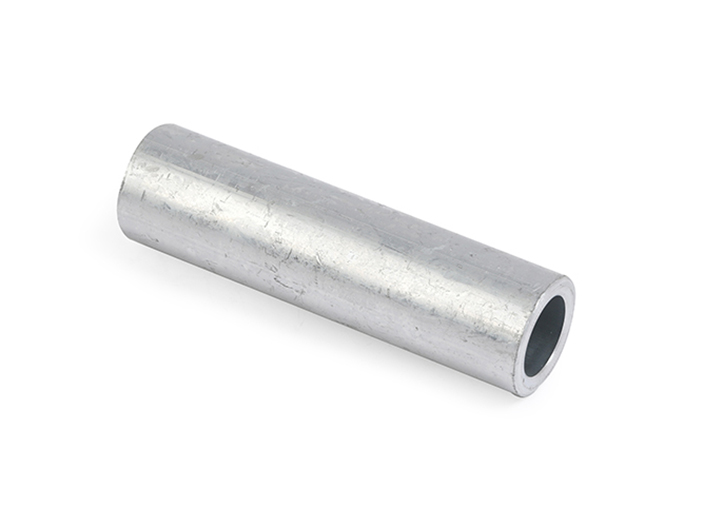
What Are Aluminum Tube Cable Connectors?
Aluminum tube cable connectors are cylindrical connectors designed to join or terminate aluminum conductors. They are typically installed using crimping or compression tools, creating a strong mechanical bond and a low-resistance electrical connection.
Key Features of Aluminum Tube Cable Connectors
1. Lightweight Construction
Aluminum is significantly lighter than copper, making these connectors easier to handle, transport, and install—especially in large-scale or overhead applications.
2. Good Electrical Conductivity
Although aluminum has lower conductivity than copper, it still provides efficient current flow when properly installed. Modern designs compensate with optimized contact surfaces to minimize resistance.
3. Corrosion Resistance
Aluminum naturally forms a protective oxide layer that helps resist corrosion. Many connectors are also treated or coated to enhance durability in outdoor or harsh environments.
4. High Strength-to-Weight Ratio
Aluminum tube connectors offer excellent mechanical strength without adding excessive weight. This is particularly important in overhead power lines where load management is critical.
5. Compatibility with Compression Installation
These connectors are designed for crimping or compression, ensuring:
Tight and secure connections
Reduced contact resistance
Long-term reliability
6. Wide Range of Sizes
Aluminum tube connectors are available in various sizes to accommodate different cable diameters and current requirements, making them suitable for diverse applications.
7. Cost Efficiency
Compared to copper connectors, aluminum options are more affordable, making them ideal for large-scale projects where cost control is important.
Key Benefits of Aluminum Tube Cable Connectors
1. Reduced Installation Costs
Their lightweight nature and ease of handling reduce labor time and installation complexity, especially in large electrical networks.
2. Reliable Electrical Performance
When properly installed, aluminum tube connectors provide stable conductivity and efficient current transfer, supporting consistent system performance.
3. Enhanced Durability in Outdoor Applications
Thanks to corrosion resistance and protective coatings, these connectors perform well in environments exposed to moisture, temperature changes, and pollutants.
4. Ideal for Power Transmission and Distribution
Aluminum is widely used in power grids, making aluminum tube connectors a natural and compatible choice for connecting conductors in transmission and distribution systems.
5. Scalability for Large Projects
Their affordability and availability in multiple sizes make aluminum connectors suitable for infrastructure projects such as substations, renewable energy systems, and industrial plants.
6. Reduced Structural Load
In overhead applications, lighter connectors reduce stress on cables and support structures, contributing to safer and more efficient installations.
7. Long Service Life
With proper installation and maintenance, aluminum tube connectors can provide long-lasting performance with minimal degradation.
Common Applications
Aluminum tube cable connectors are commonly used in:
Power transmission and distribution networks
Overhead line systems
Industrial electrical installations
Renewable energy projects such as solar and wind systems
Utility and infrastructure development
Conclusion
Aluminum tube cable connectors offer a balanced combination of performance, durability, and cost efficiency. Their lightweight design, corrosion resistance, and reliable conductivity make them a preferred choice in many electrical applications, particularly in power transmission and large-scale infrastructure projects.
By understanding their key features and benefits, professionals can select the right connector to ensure safe, efficient, and long-lasting electrical connections.
FAQ
1.Are aluminum tube cable connectors reliable?
Yes, when properly installed using the correct tools, they provide strong mechanical and electrical connections.
2.Can aluminum connectors be used with copper cables?
Only if they are specifically rated for aluminum-to-copper connections.
3.Do aluminum connectors corrode easily?
No, aluminum naturally forms a protective oxide layer that helps resist corrosion, and additional coatings can further improve durability.
4.What tools are required for installation?
Crimping or compression tools are typically required to ensure a secure and reliable connection.
5.Where are aluminum tube connectors most commonly used?
They are widely used in power distribution, transmission lines, and large-scale industrial and infrastructure projects.