
Introduction
Forged copper and aluminum bimetal lugs are essential components in modern power distribution systems. They provide a reliable solution for connecting aluminum and copper conductors, preventing corrosion and ensuring stable electrical performance. In this article, we explore the key advantages of using forged bimetal lugs in power systems.
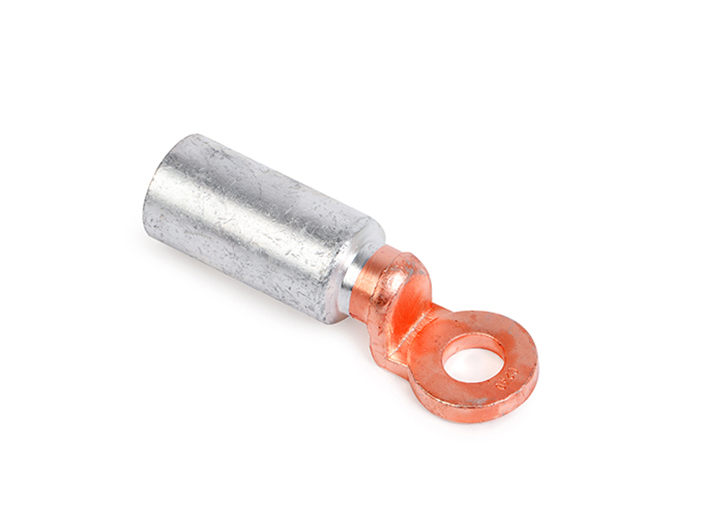
Prevents Galvanic Corrosion
One of the primary advantages of forged copper and aluminum bimetal lugs is their ability to prevent galvanic corrosion. Direct contact between copper and aluminum can cause chemical reactions that deteriorate the connection.
Benefit:
Provides a safe transition between dissimilar metals
Extends the lifespan of electrical connections
Maintains system reliability in harsh environments
High Electrical Conductivity
Forged bimetal lugs are designed to optimize electrical conductivity. By providing a solid, uniform connection, they minimize resistance and energy loss in the power system.
Benefit:
Ensures stable and efficient power flow
Reduces heating at the connection point
Supports high-current applications without compromising performance
Superior Mechanical Strength
Forging increases the mechanical strength of bimetal lugs, making them more durable and reliable than standard connectors. This is especially important in environments where vibration or thermal expansion occurs.
Benefit:
Prevents loosening under mechanical stress
Resists deformation and damage over time
Enhances long-term reliability of the network
Versatile Applications
Forged copper and aluminum bimetal lugs are widely used in various power distribution settings, including:
Industrial and commercial electrical systems
Substations and switchgear
Overhead and underground lines
Benefit:
Offers a flexible and reliable solution for mixed-metal connections
Compatible with multiple conductor sizes and applications
Compliance with Industry Standards
High-quality forged bimetal lugs are manufactured to meet international standards for electrical safety and performance.
Benefit:
Ensures compliance with power system regulations
Guarantees consistent and safe performance across installations
Conclusion
Forged copper and aluminum bimetal lugs provide unmatched reliability and efficiency in power systems. Their ability to prevent galvanic corrosion, maintain high conductivity, and withstand mechanical stress makes them an ideal choice for modern electrical networks. By using forged bimetal lugs, engineers and electricians can ensure safe, durable, and efficient connections between aluminum and copper conductors.
FAQ
Q1: What are forged copper and aluminum bimetal lugs?
A: Forged copper and aluminum bimetal lugs are electrical connectors designed to join aluminum and copper conductors. The forged design enhances mechanical strength and ensures a reliable, corrosion-resistant connection.
Q2: Why are bimetal lugs necessary for copper-to-aluminum connections?
A: Direct contact between copper and aluminum can cause galvanic corrosion, which degrades conductivity and safety. Bimetal lugs provide a transition layer that prevents corrosion while maintaining optimal electrical performance.
Q3: What are the advantages of using forged bimetal lugs in power distribution?
A: Key advantages include:
Prevention of galvanic corrosion
High electrical conductivity
Superior mechanical strength and durability
Compatibility with a variety of conductor sizes
Compliance with industry safety standards
Q4: Where are forged copper and aluminum bimetal lugs commonly used?
A: They are widely used in industrial, commercial, and utility power systems, including substations, switchgear, overhead and underground power lines.
Q5: How do I install forged bimetal lugs correctly?
A: Proper installation involves:
Selecting the correct lug size for the conductor
Cleaning the conductor surface to remove oxidation
Using the recommended crimping tool or method
Ensuring proper insulation and mechanical support
Q6: Can forged bimetal lugs handle high current loads?
A: Yes, the forged construction provides excellent mechanical and thermal performance, making them suitable for high-current applications without risk of overheating or loosening.
Q7: Do forged bimetal lugs meet electrical standards?
A: Yes, high-quality forged bimetal lugs are manufactured according to international electrical standards, ensuring safety, durability, and consistent performance.