
Introduction
In modern electrical networks, protecting equipment from overloads and short circuits is essential for ensuring safety and reliability. One of the most widely used protective devices in overhead distribution systems is the porcelain fuse cutout. Known for its durability and dependable performance, it plays a critical role in safeguarding transformers, lines, and other equipment in medium-voltage applications.
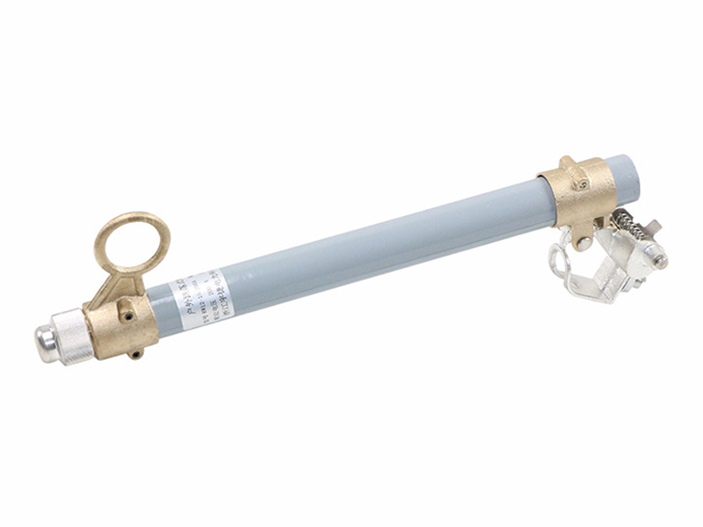
What Is a Porcelain Fuse Cutout?
A porcelain fuse cutout is a protective device installed on overhead power lines, typically in distribution networks ranging from 10kV to 38kV. It combines a fuse and a switch into a single unit, designed to automatically disconnect electrical equipment when excessive current flows through the system.
The main body of the cutout is made from porcelain, a material valued for its:
Excellent electrical insulation properties
High mechanical strength
Resistance to heat, UV radiation, and harsh environmental conditions
This makes porcelain fuse cutouts especially suitable for outdoor installations, including rural electrification and utility distribution systems.
Key Components of a Porcelain Fuse Cutout
A typical porcelain fuse cutout consists of the following parts:
Porcelain Insulator: Provides insulation and structural support
Fuse Tube (Fuse Holder): Contains the fuse link and acts as the switching element
Fuse Link: A replaceable element that melts when overcurrent occurs
Upper and Lower Contacts: Conduct current under normal operation
Mounting Bracket: Used for installation on poles or crossarms
How Does a Porcelain Fuse Cutout Work?
The operation of a porcelain fuse cutout is simple yet highly effective:
1. Normal Operation
Under standard conditions, electrical current flows through the fuse link inside the fuse tube. The fuse cutout remains closed, allowing uninterrupted power supply to downstream equipment such as transformers.
2. Fault Condition
When a fault occurs—such as a short circuit or overload—the current exceeds the rated capacity of the fuse link.
3. Fuse Link Melts
The excessive current generates heat, causing the fuse link to melt and break the circuit.
4. Arc Extinguishing and Drop-Out Action
As the fuse link melts, an arc is formed inside the fuse tube. The tube is designed to extinguish the arc quickly. At the same time, the fuse tube drops down due to gravity, creating a visible break in the circuit.
5. Isolation and Safety
This “drop-out” feature not only interrupts the current but also provides a clear visual indication that the circuit is open, helping maintenance personnel quickly identify the fault location.
Role in Power Distribution Systems
Porcelain fuse cutouts are widely used in medium-voltage power distribution networks for several key purposes:
Transformer Protection: Prevents damage caused by overloads or faults
Line Protection: Isolates faulty sections of overhead lines
Backup Protection: Works alongside circuit breakers and reclosers
Sectionalizing: Helps limit the impact of faults to smaller areas
Because of their simplicity and reliability, they are especially valuable in rural and remote areas where maintenance resources may be limited.
Advantages of Porcelain Fuse Cutouts
High Durability: Resistant to weather, corrosion, and temperature extremes
Cost-Effective: Lower installation and maintenance costs compared to complex protection systems
Simple Operation: No need for external power or complex control systems
Visual Indication: Easy fault identification through drop-out mechanism
Long Service Life: Proven performance over decades of use
Porcelain vs. Polymer Fuse Cutouts
While newer polymer fuse cutouts are gaining popularity due to their lighter weight and better contamination performance, porcelain types remain widely used because of their:
Proven reliability in long-term field applications
Superior mechanical strength
Resistance to aging and UV degradation
Utilities often choose between the two based on environmental conditions, budget, and system requirements.
Installation and Maintenance Considerations
To ensure optimal performance, proper installation and maintenance are essential:
Install at correct angles for proper drop-out operation
Ensure tight electrical connections to avoid overheating
Regularly inspect for cracks, contamination, or wear
Replace fuse links with correct ratings after operation
Routine inspections help extend the lifespan and maintain system reliability.
Conclusion
A porcelain fuse cutout is a fundamental component in overhead power distribution systems, providing reliable and cost-effective protection against overcurrent conditions. Its simple design, combined with robust materials and clear visual operation, makes it an indispensable solution for utilities worldwide.
Whether protecting transformers in rural areas or serving as backup protection in urban networks, porcelain fuse cutouts continue to play a vital role in ensuring safe and efficient power distribution.
FAQ
Q1: What voltage levels are porcelain fuse cutouts used for?
Typically between 10kV and 38kV in medium-voltage distribution systems.
Q2: Can porcelain fuse cutouts be reused after operation?
The fuse link must be replaced, but the cutout itself can usually be reused if undamaged.
Q3: Why does the fuse tube drop down?
The drop-out action provides both circuit isolation and a visible indication of a fault.
Q4: Are porcelain fuse cutouts suitable for harsh environments?
Yes, porcelain offers excellent resistance to heat, UV exposure, and environmental stress.