
Introduction
In power distribution systems, equipment reliability is not only about electrical performance—it is also about surviving the environment it operates in. From coastal salt fog and desert heat to freezing temperatures and industrial pollution, electrical components must withstand extreme conditions without failure. This is where the porcelain fuse cutout continues to stand out as a trusted solution.
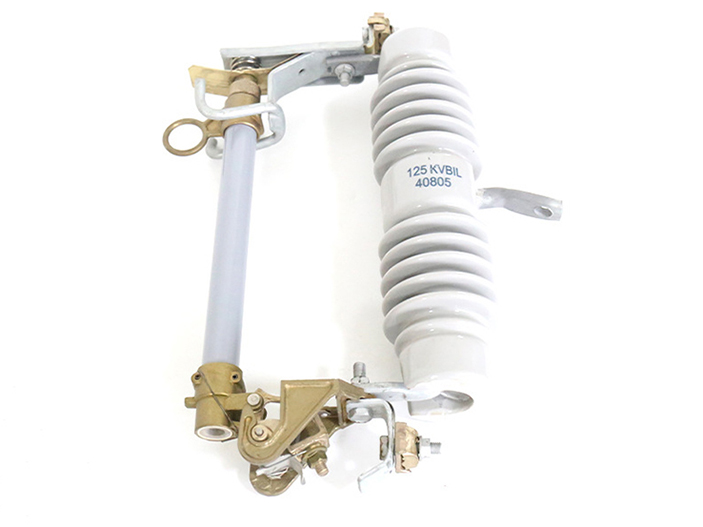
What Is a Porcelain Fuse Cutout?
A porcelain fuse cutout is a medium-voltage protective device used in overhead distribution networks. It combines a fuse link and a disconnecting mechanism to protect transformers and distribution lines from overcurrent and short circuit faults.
Its key structural element is the porcelain insulator, which provides mechanical strength and electrical insulation in outdoor environments.
Why Harsh Environments Are a Challenge for Electrical Equipment
Electrical distribution equipment installed outdoors is constantly exposed to:
High humidity and rain
Salt spray in coastal regions
UV radiation and sunlight exposure
Dust storms and sand abrasion
Freezing and thawing cycles
Industrial pollution and chemical contamination
These conditions can degrade insulation materials, cause corrosion, and reduce the lifespan of equipment if not properly designed.
Why Porcelain Performs Well in Harsh Conditions
Porcelain has been used in electrical insulation for over a century, and its continued popularity is due to its strong physical and chemical properties.
1. Excellent Electrical Insulation Performance
Porcelain has high dielectric strength, which helps prevent leakage currents even in wet or polluted environments.
2. Strong Resistance to Weathering
Unlike many polymer materials, porcelain does not easily degrade under:
UV radiation
Ozone exposure
Long-term outdoor aging
This makes it highly reliable for long service life installations.
3. High Mechanical Strength
Porcelain fuse cutouts are capable of withstanding:
High wind loads
Mechanical stress from conductor tension
Vibration from line movement
This is particularly important in overhead distribution systems.
4. Excellent Heat Resistance
Porcelain maintains structural stability even under extreme temperature changes, from freezing winters to hot summer conditions.
It does not soften, deform, or lose insulation properties under heat stress.
5. Resistance to Chemical and Environmental Contamination
In industrial or coastal areas, equipment is exposed to:
Salt fog
Acid rain
Dust and pollution particles
Porcelain surfaces are less reactive and can maintain insulation integrity even when contaminated, especially when properly glazed.
How Porcelain Fuse Cutouts Handle Harsh Field Conditions
A porcelain fuse cutout is designed not just for insulation, but for reliable operation in real-world environments:
Outdoor Overhead Installation
Mounted on poles, they are directly exposed to weather—but porcelain housing ensures stable performance.
Stable Arc Interruption
The fuse tube is designed to safely interrupt fault currents even in wet or windy conditions.
Clear Mechanical Operation
The drop-out mechanism remains visible and functional regardless of environmental stress, helping field crews quickly identify faults.
Porcelain vs. Polymer in Harsh Environments
While polymer fuse cutouts are lighter and offer strong pollution resistance, porcelain still dominates in many regions due to:
Proven long-term durability (decades of field use)
Better resistance to UV aging over time
High compressive strength
Stable performance under mechanical stress
Utilities often select porcelain in areas where long-term stability is prioritized over weight reduction.
Typical Applications in Harsh Environments
Porcelain fuse cutouts are widely used in:
Coastal power distribution networks
Desert and high-temperature regions
Mountainous rural electrification projects
Industrial zones with heavy pollution
Outdoor substations and overhead lines
Their durability makes them suitable for locations where maintenance access is difficult or infrequent.
Maintenance Advantages in Difficult Conditions
Another reason for their popularity is low maintenance demand:
Simple structure reduces failure points
Easy visual inspection via drop-out fuse
Long replacement cycles for fuse links
No complex electronics affected by weather
This reduces operational costs in remote or harsh environments.
Conclusion
Porcelain fuse cutouts remain a widely used solution in harsh environmental conditions because of their durability, insulation strength, and long-term stability. While newer materials continue to evolve, porcelain still offers a proven balance of reliability and cost-effectiveness for outdoor power distribution systems.
In environments where failure is not an option and maintenance is difficult, porcelain fuse cutouts continue to be a dependable choice for utilities around the world.
FAQ
1. What makes porcelain fuse cutouts suitable for outdoor use?
Porcelain fuse cutouts are designed with high-strength porcelain insulation, which provides excellent resistance to UV radiation, moisture, pollution, and temperature changes. This allows them to operate reliably in outdoor overhead distribution systems.
2. Can porcelain fuse cutouts withstand coastal or salty environments?
Yes. The glazed porcelain surface helps resist salt fog and corrosion. When properly maintained, porcelain fuse cutouts can perform reliably even in coastal areas with high humidity and salt exposure.
3. How do porcelain fuse cutouts perform in extreme temperatures?
Porcelain materials are highly stable under both high and low temperatures. They do not soften in heat or become brittle in cold conditions, making them suitable for desert and freezing climates.
4. Are porcelain fuse cutouts better than polymer types in harsh environments?
It depends on the application. Porcelain fuse cutouts offer long-term durability, high mechanical strength, and proven field reliability. Polymer types are lighter and perform better in heavy pollution zones, but porcelain is still widely used where long service life is required.
5. Do porcelain fuse cutouts require frequent maintenance?
No. They generally require minimal maintenance. Routine visual inspections are usually enough to check for cracks, contamination, or damage, making them cost-effective for remote installations.