
Introduction
In overhead power distribution systems, porcelain fuse cutouts play a key role in protecting transformers and lines from overcurrent and short-circuit faults. Although they are known for their durability and long service life, proper maintenance is still essential to ensure consistent performance—especially in outdoor and harsh environments.
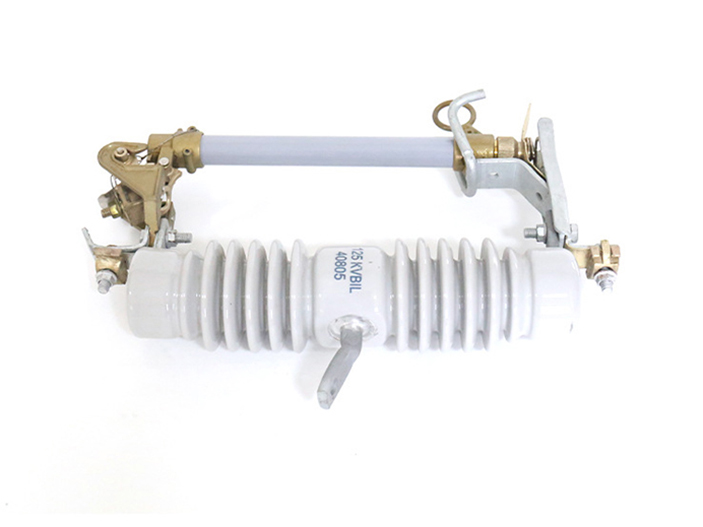
Conduct Regular Visual Inspections
Routine visual checks are the first and most important maintenance step. Inspect the fuse cutout for:
Cracks or chips in the porcelain body
Surface contamination (dust, salt, or pollution buildup)
Signs of discoloration or flashover marks
Loose or damaged hardware
Even small defects can gradually affect insulation performance and should not be ignored.
Keep the Insulator Surface Clean
Contamination is one of the main causes of insulation degradation, especially in coastal or industrial areas.
Recommended cleaning practices:
Use dry wiping for light dust
Use soft brushes or cloths for moderate dirt
For heavy pollution, use approved cleaning solutions
A clean porcelain surface helps maintain high insulation strength and reduces leakage current risks.
Check Electrical Connections Regularly
Loose or corroded connections can lead to overheating and equipment failure.
Focus on:
Tightness of terminal connections
Signs of oxidation or corrosion
Heat discoloration around contact points
If overheating is detected, disconnect power and repair immediately.
Inspect the Fuse Link Condition
The fuse link is a critical consumable component. Maintenance should include:
Checking for aging or deformation
Ensuring correct rating is used after replacement
Verifying proper installation after operation
Incorrect or low-quality fuse links can reduce protection effectiveness.
Verify Drop-Out Mechanism Functionality
The drop-out feature provides visual fault indication and circuit isolation. Ensure:
Fuse tube moves freely when triggered
No mechanical obstruction or rust
Hinges and pivot points are not worn
A stuck mechanism can delay fault detection and repair.
Monitor Environmental Impact
Porcelain fuse cutouts are designed for outdoor use, but extreme environments still require attention:
Coastal areas: check for salt buildup more frequently
Desert regions: inspect for sand abrasion
Industrial zones: monitor chemical contamination
Cold climates: check for ice accumulation
Adjust inspection frequency based on environmental severity.
Prevent Mechanical Stress Damage
Overhead systems are exposed to wind and conductor tension. To reduce stress:
Ensure proper installation angle
Check mounting brackets for stability
Avoid unnecessary vibration or movement
Mechanical stress over time can lead to insulator fatigue or cracking.
Replace Worn or Aged Components Promptly
Do not delay replacement when damage is found. Key components to replace include:
Cracked porcelain insulators
Damaged fuse tubes
Burnt or deformed fuse links
Rusted hardware fittings
Timely replacement prevents system failures and improves safety.
Maintain Proper Installation Alignment
Incorrect installation can reduce performance and lifespan. Ensure:
Correct vertical alignment for drop-out operation
Secure mounting on poles or crossarms
No excessive tilting or mechanical tension
Proper alignment ensures smooth operation during fault conditions.
Schedule Periodic Preventive Maintenance
Instead of waiting for failures, utilities should adopt preventive maintenance:
Annual or semi-annual inspections
Thermal scanning (if available)
Electrical testing during outages
Documentation of maintenance records
Preventive maintenance helps detect issues early and reduce downtime.
Conclusion
Porcelain fuse cutouts are highly durable, but their lifespan and performance depend heavily on proper maintenance. Regular inspections, cleaning, secure connections, and timely replacement of worn parts can significantly extend their service life.
By following these maintenance tips, utilities can improve system reliability, reduce unexpected outages, and ensure safe operation of overhead distribution networks for many years.
FAQ
1. How often should porcelain fuse cutouts be inspected?
In most distribution systems, inspections are typically done once or twice a year. In harsh environments (coastal, industrial, desert), more frequent inspections are recommended.
2. What is the most common maintenance issue with porcelain fuse cutouts?
The most common issue is surface contamination (dust, salt, or pollution buildup), which can reduce insulation performance and increase the risk of flashover.
3. Can porcelain fuse cutouts be cleaned while energized?
No. For safety reasons, cleaning or maintenance should only be performed when the system is de-energized and properly isolated.
4. How do I know if a fuse cutout is failing?
Warning signs include:
Cracks in the porcelain body
Burn marks or overheating at contacts
Difficulty in fuse tube operation
Frequent fuse blowing without clear cause
5. Do fuse links need regular replacement?
Yes. Fuse links are consumable components and must be replaced after every fault operation or when they show signs of aging or damage.