
Introduction
In modern power distribution networks, grid reliability is a top priority. Utilities must ensure consistent power delivery while minimizing outages, equipment damage, and maintenance costs. One of the most effective yet often overlooked components contributing to system reliability is the porcelain fuse cutout.
Though simple in design, high-quality porcelain fuse cutouts play a crucial role in protecting distribution infrastructure and maintaining stable network performance.
The Importance of Grid Reliability
Grid reliability refers to the ability of an electrical system to deliver uninterrupted power under normal and fault conditions. Poor reliability can lead to:
Frequent outages
Equipment damage
Increased operational costs
Reduced customer satisfaction
To maintain a stable grid, utilities rely on protective devices that can quickly detect and isolate faults—this is where fuse cutouts come into play.
What Is a Porcelain Fuse Cutout?
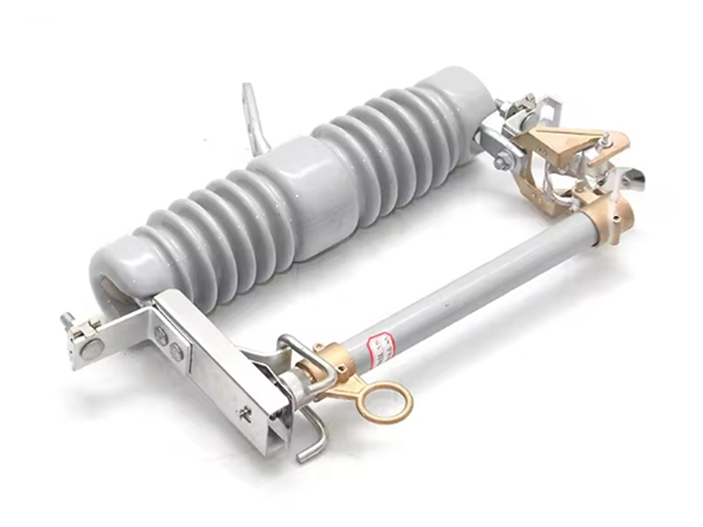
A porcelain fuse cutout is a protective device installed on overhead distribution lines, typically in medium-voltage systems (10kV–38kV). It combines a fuse and a switching mechanism to:
Interrupt overcurrent and short-circuit faults
Protect transformers and lines
Provide visible fault indication through a drop-out action
The porcelain insulator ensures strong electrical insulation and mechanical durability in outdoor environments.
How High-Quality Fuse Cutouts Improve Reliability
1. Fast and Effective Fault Isolation
High-quality fuse cutouts are designed to respond quickly to overcurrent conditions. When a fault occurs, the fuse link melts and the circuit is immediately interrupted, preventing damage to downstream equipment.
This rapid isolation minimizes the spread of faults and reduces outage duration.
2. Protection of Critical Equipment
Transformers and distribution lines are expensive and essential components. A reliable fuse cutout:
Prevents overheating and burnout
Reduces risk of catastrophic failures
Extends equipment lifespan
This protection directly contributes to long-term grid stability.
3. Clear Visual Fault Indication
The drop-out mechanism provides a visible indication when the fuse operates. Maintenance crews can quickly identify fault locations without complex diagnostic tools.
This reduces:
Troubleshooting time
Labor costs
System downtime
4. High Durability in Outdoor Conditions
High-quality porcelain fuse cutouts are built to withstand:
UV radiation
Rain, humidity, and temperature changes
Pollution and environmental contamination
Their durability ensures consistent performance even in harsh conditions, reducing unexpected failures.
5. Reduced Maintenance and Operating Costs
Reliable components require less frequent maintenance and replacement. High-quality cutouts offer:
Longer service life
Stable performance over time
Fewer emergency repairs
This helps utilities optimize operational efficiency.
Key Features of High-Quality Porcelain Fuse Cutouts
To improve grid reliability, it is important to select products with the following characteristics:
High-grade porcelain insulation for superior dielectric strength
Robust mechanical design to withstand environmental stress
Efficient arc-quenching fuse tubes for safe fault interruption
Corrosion-resistant contacts and fittings
Compliance with IEC/ANSI standards
These features ensure dependable performance under both normal and fault conditions.
Role in Modern Power Distribution Systems
Porcelain fuse cutouts are widely used in:
Overhead distribution networks
Transformer protection
Rural electrification projects
Substations and feeder lines
Even as smart grid technologies evolve, fuse cutouts remain a fundamental layer of protection, often working alongside reclosers and circuit breakers.
Best Practices to Maximize Reliability
To fully leverage the benefits of high-quality fuse cutouts, utilities should:
Select the correct voltage and current ratings
Use certified and reputable products
Perform regular inspections and maintenance
Replace damaged or aging components promptly
Adapt equipment selection to environmental conditions
Combining quality equipment with proper maintenance ensures optimal performance.
Porcelain vs. Other Materials: Why Quality Matters
While polymer fuse cutouts are increasingly used, high-quality porcelain cutouts still offer:
Proven long-term reliability
Superior resistance to UV aging
Strong mechanical stability
However, not all porcelain cutouts are equal—manufacturing quality and material standards make a significant difference in performance and lifespan.
Conclusion
High-quality porcelain fuse cutouts are a vital component in improving grid reliability. By providing fast fault isolation, protecting critical equipment, and ensuring stable operation in harsh environments, they help utilities maintain efficient and resilient power distribution systems.
Investing in well-designed, properly maintained fuse cutouts is a cost-effective strategy to reduce outages, extend infrastructure lifespan, and enhance overall network performance.
FAQ
1. How do fuse cutouts improve grid reliability?
They quickly isolate faults, prevent equipment damage, and reduce outage duration, ensuring stable system operation.
2. Are porcelain fuse cutouts still relevant in modern grids?
Yes. Despite advancements in smart grid technology, they remain a reliable and cost-effective protection solution.
3. What defines a high-quality fuse cutout?
High-quality materials, strong insulation, efficient arc interruption, and compliance with industry standards.
4. Can fuse cutouts reduce maintenance costs?
Yes. Durable and reliable cutouts require less frequent maintenance and reduce the likelihood of emergency repairs.
5. Where are porcelain fuse cutouts most commonly used?
They are widely used in overhead distribution lines, transformer protection, and rural or remote power systems.