
Introduction
As power distribution networks expand into increasingly challenging environments, utilities require equipment that can maintain reliability under extreme conditions. Polymer fuse cutouts have emerged as a preferred solution in many of these scenarios, thanks to their lightweight structure, excellent contamination performance, and advanced material properties.
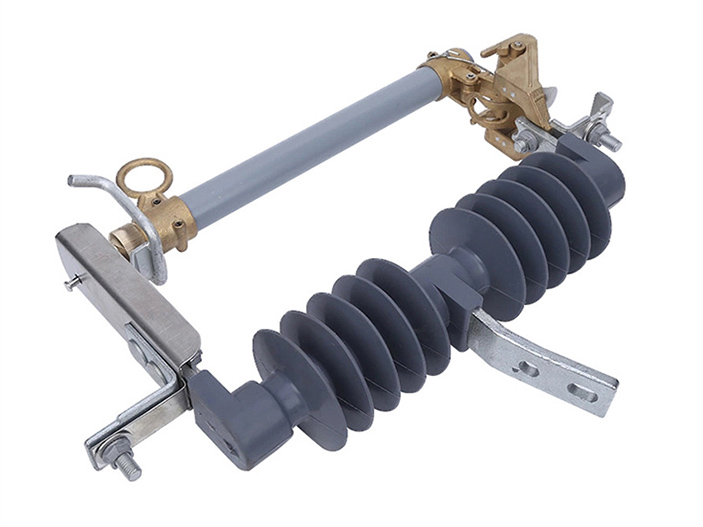
What Is a Polymer Fuse Cutout?
A polymer fuse cutout is a medium-voltage protective device used in overhead distribution systems. Like traditional designs, it combines a fuse link and a switching mechanism to protect transformers and lines from overcurrent and short circuits.
The key difference lies in its construction:
Silicone rubber housing (outer insulation)
Fiberglass-reinforced core (mechanical strength)
Hydrophobic surface properties
These features make polymer cutouts especially suitable for demanding outdoor conditions.
Why Harsh and Polluted Environments Require Specialized Protection
Outdoor electrical equipment may be exposed to:
Salt fog in coastal regions
Industrial pollution and chemical contaminants
Dust, sand, and airborne particles
Heavy rain, humidity, and condensation
UV radiation and extreme temperatures
Such conditions can lead to insulation failure, leakage currents, and flashover if the equipment is not designed to withstand them.
Key Advantages of Polymer Fuse Cutouts in These Environments
1. Superior Hydrophobic Performance
Polymer surfaces repel water, preventing the formation of continuous conductive films. This significantly reduces the risk of leakage current and flashover in wet or polluted conditions.
2. Excellent Pollution Resistance
Unlike traditional materials, polymer insulators maintain performance even when contaminated by:
Salt deposits
Industrial emissions
Dust accumulation
This makes them ideal for areas with heavy environmental pollution.
3. Lightweight and Easy Installation
Polymer fuse cutouts are much lighter than porcelain types, offering:
Easier transportation
Faster installation
Reduced structural load on poles
This is particularly beneficial in remote or difficult-to-access locations.
4. High Impact Resistance
The flexible nature of polymer materials makes them resistant to:
Mechanical shocks
Vandalism
Handling damage
This improves durability in real-world field conditions.
5. Low Maintenance Requirements
Due to their self-cleaning and contamination-resistant properties, polymer fuse cutouts require:
Less frequent cleaning
Reduced inspection intervals
Lower long-term maintenance costs
Typical Applications in Harsh and Polluted Environments
1. Coastal Power Distribution Networks
Salt-laden air can quickly degrade traditional insulation. Polymer fuse cutouts are widely used in coastal regions because their hydrophobic surfaces prevent salt buildup from causing leakage currents.
2. Industrial and Urban Pollution Zones
In areas with factories, chemical plants, or heavy traffic, airborne pollutants can accumulate on equipment surfaces. Polymer cutouts maintain insulation performance even under these conditions.
3. Desert and Dusty Regions
Sandstorms and dust accumulation can impact electrical equipment. Polymer materials resist abrasion and reduce the impact of contamination.
4. High-Humidity and Tropical Climates
Frequent rain and high humidity increase the risk of flashover. Polymer fuse cutouts help maintain insulation integrity by repelling moisture.
5. Renewable Energy Installations
Solar farms and wind power systems are often located in remote, exposed environments. Polymer fuse cutouts provide reliable protection with minimal maintenance requirements.
6. Mountainous and Remote Areas
In locations where maintenance access is difficult, the durability and low maintenance needs of polymer cutouts make them an ideal choice.
Polymer vs. Porcelain in Harsh Environments
| Feature | Polymer Fuse Cutouts | Porcelain Fuse Cutouts |
| Pollution Resistance | Excellent | Good (requires cleaning) |
| Weight | Lightweight | Heavy |
| Impact Resistance | High | Brittle |
| Maintenance Needs | Low | Moderate |
| Hydrophobic Properties | Yes | No |
While porcelain still performs well in many conditions, polymer fuse cutouts are often preferred in highly polluted or moisture-prone environments.
Best Practices for Application
To maximize performance in harsh environments:
Select products with high-quality silicone rubber insulation
Ensure proper installation and alignment
Use correct fuse ratings for the system
Perform periodic inspections despite low maintenance needs
Choose products compliant with international standards
Conclusion
Polymer fuse cutouts have become an essential solution for power distribution systems operating in harsh and polluted environments. Their hydrophobic properties, resistance to contamination, lightweight design, and low maintenance requirements make them highly effective in maintaining grid reliability under challenging conditions.
As power networks continue to expand into demanding environments, polymer fuse cutouts will play an increasingly important role in ensuring safe, efficient, and resilient electrical infrastructure.
FAQ
1. Why are polymer fuse cutouts better in polluted environments?
Because their hydrophobic surfaces repel water and contaminants, reducing leakage current and preventing flashover.
2. Are polymer fuse cutouts suitable for coastal areas?
Yes, they are highly effective in coastal regions due to their resistance to salt fog and corrosion.
3. Do polymer fuse cutouts require less maintenance?
Yes. Their self-cleaning properties reduce the need for frequent cleaning and inspection.
4. Can polymer fuse cutouts replace porcelain ones completely?
Not always. The choice depends on environmental conditions, cost, and utility preferences.
5. Where are polymer fuse cutouts most commonly used?
They are widely used in coastal, industrial, desert, tropical, and remote environments where contamination and harsh weather are major concerns.