
Introduction
Proper installation of polymer fuse cutouts is critical to ensuring reliable protection, safe operation, and long service life in medium-voltage distribution systems. While polymer cutouts offer advantages such as lightweight design and strong pollution resistance, incorrect installation can lead to misoperation, premature failure, or safety hazards.
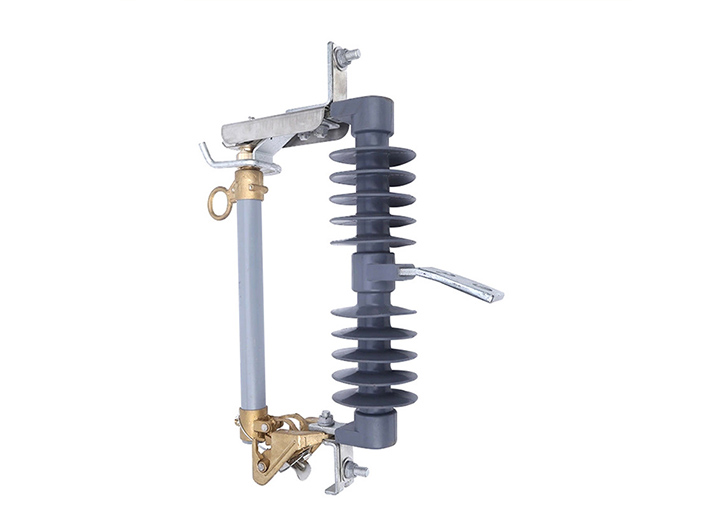
What Is a Polymer Fuse Cutout?
A polymer fuse cutout is a protective device used in overhead distribution systems (typically 10kV–38kV). It combines a fuse and a switch to:
Interrupt overcurrent and short-circuit faults
Protect transformers and distribution lines
Provide visible circuit isolation through a drop-out mechanism
Its polymer (silicone rubber) housing offers excellent insulation and environmental resistance.
Pre-Installation Preparation
Before installation, thorough preparation is essential.
1. Verify Product Specifications
Ensure the selected cutout matches:
System voltage rating
Current rating and fuse link compatibility
Short-circuit breaking capacity
Using incorrect specifications can compromise protection and safety.
2. Inspect Equipment Condition
Check for:
Physical damage during transport
Cracks or deformation in the polymer housing
Integrity of metal fittings and contacts
Do not install damaged components.
3. Prepare Tools and Safety Equipment
Technicians should use:
Insulated tools
Personal protective equipment (PPE)
Proper lifting or climbing equipment
Always follow local electrical safety standards.
Step-by-Step Installation Guidelines
1. Ensure Power Is De-Energized
Before installation, confirm that the circuit is:
Fully disconnected
Properly grounded
Verified with voltage testing equipment
This is the most critical safety step.
2. Install the Mounting Bracket
Secure the mounting bracket to the pole or crossarm:
Ensure firm and stable attachment
Align with conductor direction
Use corrosion-resistant hardware
A stable base prevents mechanical stress and misalignment.
3. Mount the Fuse Cutout
Attach the polymer fuse cutout to the bracket:
Maintain correct vertical or recommended tilt angle
Ensure proper orientation for drop-out operation
Tighten bolts securely, but avoid over-tightening
Correct alignment ensures smooth operation during faults.
4. Connect Electrical Conductors
Make line and load connections:
Ensure clean and tight contact surfaces
Avoid loose connections to prevent overheating
Use appropriate connectors and torque settings
Proper connections are essential for efficient current flow.
5. Install the Fuse Link
Insert the correct fuse link into the fuse tube:
Confirm rating matches system requirements
Ensure proper installation according to manufacturer instructions
Secure the fuse tube in position
Incorrect fuse installation can lead to misoperation.
6. Check Drop-Out Mechanism
Before energizing:
Test that the fuse tube moves freely
Ensure no obstruction in the hinge mechanism
Verify proper engagement of contacts
A functional drop-out mechanism is crucial for fault indication.
Safety Tips During Installation
Always Follow Lockout/Tagout Procedures
Prevent accidental energization by using proper lockout/tagout (LOTO) practices.
Maintain Safe Working Distance
Keep appropriate clearance from live equipment and grounded structures.
Avoid Installation in Adverse Weather
Do not install during:
Rain or storms
High winds
Lightning conditions
These increase the risk of accidents and improper installation.
Use Qualified Personnel Only
Installation should be performed by trained and certified electrical technicians familiar with medium-voltage systems.
Common Installation Mistakes to Avoid
Incorrect mounting angle affecting drop-out performance
Loose electrical connections causing overheating
Using wrong fuse link ratings
Ignoring manufacturer installation instructions
Installing damaged or contaminated components
Avoiding these mistakes significantly improves reliability and safety.
Post-Installation Inspection
After installation, perform a final check:
Verify all bolts and connections are secure
Confirm correct alignment and orientation
Ensure no tools or debris are left behind
Conduct visual inspection before energizing
If possible, perform electrical testing to confirm proper operation.
Maintenance Considerations After Installation
Even though polymer fuse cutouts are low-maintenance, it is recommended to:
Conduct periodic inspections
Check for contamination or aging
Replace fuse links after operation
Monitor mechanical and electrical performance
Conclusion
Proper installation of polymer fuse cutouts is essential for ensuring safe and reliable operation in power distribution systems. By following best practices—such as correct alignment, secure connections, and strict safety procedures—utilities can maximize performance and minimize risks.
A well-installed fuse cutout not only protects equipment but also contributes to overall grid stability and long-term operational efficiency.
FAQ
1. Can polymer fuse cutouts be installed on live lines?
No. Installation must always be performed on de-energized and properly grounded systems for safety.
2. What is the correct installation angle?
The angle depends on the manufacturer, but it must allow smooth drop-out operation and proper contact engagement.
3. How tight should electrical connections be?
Connections should be tight enough to ensure good conductivity but not over-tightened to avoid damaging components. Follow recommended torque values.
4. Do polymer fuse cutouts require special tools?
Standard insulated electrical tools are sufficient, along with PPE and safety equipment.
5. What should be checked before energizing the system?
Check alignment, connection tightness, fuse link installation, and drop-out mechanism functionality.