
Introduction
Electrical power systems rely on insulation technology to ensure safe and stable transmission of electricity. Among the many insulating solutions used today, polymer insulators have become one of the most widely adopted options in modern power networks. Thanks to their lightweight structure, excellent weather resistance, and reliable electrical performance, polymer insulators are increasingly replacing traditional porcelain and glass insulators in transmission and distribution systems worldwide.
What Is a Polymer Insulator?
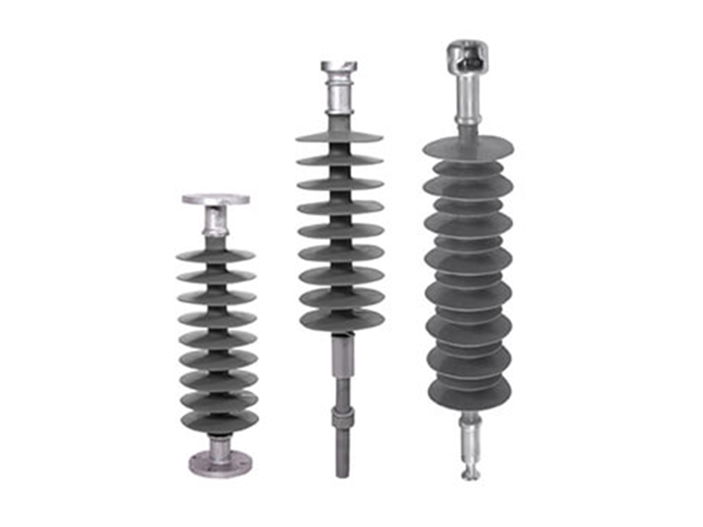
A polymer insulator, also known as a composite insulator, is an electrical insulating device made from polymer-based materials such as silicone rubber, EPDM rubber, or other advanced synthetic compounds. It is designed to mechanically support electrical conductors while electrically isolating them from grounded structures like transmission towers or poles.
Polymer insulators are widely used in:
High-voltage transmission lines
Power distribution systems
Railway electrification
Substations
Renewable energy projects
Industrial electrical systems
Compared with traditional porcelain insulators, polymer insulators are lighter, more resistant to contamination, and easier to install and maintain.
Main Components of a Polymer Insulator
A polymer insulator usually consists of three main parts:
1. Fiberglass Reinforced Core Rod
The core rod provides the mechanical strength needed to support electrical conductors and withstand tension loads.
Features:
High tensile strength
Lightweight
Corrosion resistance
Excellent mechanical stability
2. Polymer Housing and Sheds
The outer housing is typically made from silicone rubber or EPDM material. The sheds increase the creepage distance and help prevent electrical leakage.
Functions:
Protects the core from moisture and pollution
Provides hydrophobic performance
Enhances insulation capability
3. Metal End Fittings
Metal fittings connect the insulator to towers and conductors.
Common materials:
Hot-dip galvanized steel
Forged steel
Corrosion-resistant alloys
How Does a Polymer Insulator Work?
The primary function of a polymer insulator is to prevent unwanted current flow between energized conductors and grounded support structures.
Here is how it works:
Electrical Isolation
The polymer material has very high electrical resistance, which blocks electricity from passing through the insulator to the supporting structure.
Leakage Current Prevention
The sheds on the insulator surface increase the creepage distance, reducing leakage current caused by moisture, dust, or contamination.
Hydrophobic Surface Protection
Silicone rubber surfaces repel water effectively. Instead of forming a continuous conductive film, water forms droplets, reducing the risk of flashover.
Mechanical Support
The fiberglass core provides strong mechanical support for overhead conductors under wind, ice, and tension loads.
Together, these functions ensure safe and reliable operation of electrical transmission systems.
Advantages of Polymer Insulators
Lightweight Design
Polymer insulators are much lighter than porcelain or glass insulators, making transportation and installation easier.
Excellent Pollution Resistance
Their hydrophobic surface performs well in polluted, coastal, and industrial environments.
High Mechanical Strength
The fiberglass core offers excellent tensile performance for high-voltage applications.
Better Earthquake Resistance
Due to their lighter weight and flexible structure, polymer insulators are less likely to break during seismic activity.
Lower Maintenance Costs
Their self-cleaning properties and contamination resistance reduce maintenance frequency.
Improved Safety
Unlike porcelain insulators, polymer insulators do not shatter into dangerous sharp fragments if damaged.
Applications of Polymer Insulators
Polymer insulators are widely used in modern power infrastructure.
High-Voltage Transmission Lines
Used for suspension and tension applications in transmission systems.
Distribution Networks
Installed on utility poles to support medium-voltage distribution lines.
Railway Systems
Provide insulation for overhead railway electrification systems.
Renewable Energy Projects
Commonly used in solar farms, wind power stations, and energy storage facilities.
Coastal and Industrial Areas
Ideal for regions with high humidity, salt pollution, or chemical contamination.
Polymer Insulators vs Porcelain Insulators
| Feature | Polymer Insulator | Porcelain Insulator |
| Weight | Lightweight | Heavy |
| Pollution Resistance | Excellent | Moderate |
| Installation | Easy | More Difficult |
| Breakage Risk | Low | Higher |
| Maintenance | Low | Higher |
| Hydrophobicity | Strong | Weak |
| Mechanical Flexibility | Better | Brittle |
Because of these advantages, many utilities are gradually transitioning to polymer insulators for modern grid projects.
Common Types of Polymer Insulators
Suspension Polymer Insulators
Used in overhead transmission lines to suspend conductors.
Pin-Type Polymer Insulators
Installed on poles for medium-voltage distribution systems.
Line Post Polymer Insulators
Provide insulation and mechanical support in substations and distribution lines.
Hollow Core Polymer Insulators
Used in substations and electrical equipment such as circuit breakers.
Factors Affecting Polymer Insulator Performance
Several environmental and operational factors influence performance:
UV exposure
Temperature variation
Salt pollution
Industrial contamination
Mechanical stress
Moisture and humidity
Manufacturers continuously improve material formulations to enhance long-term reliability under harsh conditions.
Future Trends in Polymer Insulator Technology
As smart grids and renewable energy systems continue to expand, demand for advanced polymer insulators is growing rapidly.
Future developments include:
Improved silicone rubber materials
Higher voltage ratings
Better aging resistance
Smart monitoring technologies
Eco-friendly manufacturing processes
Polymer insulators are expected to play a major role in the future of global electrical infrastructure.
Conclusion
Polymer insulators have become an essential component in modern power transmission and distribution systems. Their lightweight structure, superior contamination resistance, strong mechanical performance, and low maintenance requirements make them an ideal solution for today’s demanding electrical environments.
As utilities and industries seek more reliable and cost-effective insulation technologies, polymer insulators will continue to replace traditional materials and support the development of safer, smarter, and more efficient power networks worldwide.
FAQ
What materials are used in polymer insulators?
Most polymer insulators use silicone rubber housing, fiberglass reinforced core rods, and galvanized steel end fittings.
Why are polymer insulators preferred in polluted environments?
Their hydrophobic surface prevents continuous water films from forming, reducing leakage current and flashover risks.
Are polymer insulators suitable for high-voltage applications?
Yes. Polymer insulators are widely used in medium-, high-, and ultra-high-voltage transmission systems.
How long do polymer insulators last?
High-quality polymer insulators can operate reliably for 20–30 years or more under proper conditions.
What is the difference between polymer and porcelain insulators?
Polymer insulators are lighter, more pollution-resistant, and easier to maintain, while porcelain insulators are heavier and more brittle.