
Introduction
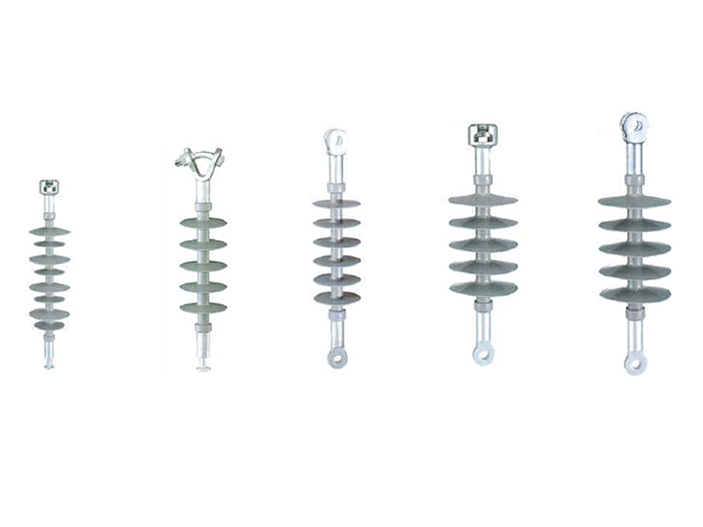
Polymer insulators have become an essential component in modern power transmission and distribution systems due to their lightweight design, excellent hydrophobicity, and strong contamination resistance. However, like all outdoor electrical components, polymer insulators are constantly exposed to environmental stresses. Among these factors, ultraviolet (UV) radiation is one of the most critical influences on long-term performance and service life.
Understanding how UV resistance affects polymer insulator lifespan is essential for utilities, engineers, and project developers seeking reliable and durable insulation solutions for outdoor applications.
What Is UV Radiation?
Ultraviolet (UV) radiation is a type of electromagnetic energy emitted by the sun. Although invisible to the human eye, UV rays can gradually degrade many materials exposed to outdoor environments over long periods.
UV radiation is generally divided into:
UVA
UVB
UVC
For outdoor electrical equipment, UVA and UVB are the primary causes of material aging and surface degradation.
Why UV Resistance Matters for Polymer Insulators
Polymer insulators are typically made from silicone rubber, EPDM, or other synthetic polymer materials. These materials offer excellent electrical insulation properties, but continuous UV exposure can slowly damage their molecular structure if they are not properly formulated.
Strong UV resistance is important because it helps:
Maintain insulation performance
Prevent surface cracking
Reduce aging and erosion
Preserve hydrophobicity
Extend operational lifespan
Lower maintenance costs
Without sufficient UV protection, polymer insulators may experience accelerated deterioration in outdoor environments.
How UV Radiation Damages Polymer Insulators
Surface Aging
UV rays gradually break down polymer chains on the insulator surface, causing aging effects over time.
Common signs include:
Chalky appearance
Surface roughness
Color fading
Loss of elasticity
Cracking and Erosion
Long-term UV exposure can create microcracks in the silicone rubber housing. These cracks may expand due to temperature cycling, moisture, and electrical stress.
As damage progresses:
Water penetration increases
Contamination accumulation worsens
Electrical leakage risks rise
Loss of Hydrophobicity
One of the biggest advantages of silicone rubber polymer insulators is their hydrophobic surface, which repels water and minimizes leakage current.
UV degradation can reduce this hydrophobicity, allowing moisture films to form more easily on the insulator surface.
This may result in:
Higher leakage current
Increased flashover risk
Reduced insulation reliability
Mechanical Weakening
Although the fiberglass core provides the primary mechanical strength, severe housing degradation caused by UV exposure can eventually compromise structural protection and long-term stability.
Factors That Influence UV Aging
Several environmental conditions affect the rate of UV degradation in polymer insulators.
Sunlight Intensity
Regions with strong solar radiation experience faster material aging.
Examples include:
Desert areas
Tropical climates
High-altitude regions
Temperature Fluctuation
UV exposure combined with extreme temperature changes accelerates material fatigue and cracking.
Pollution and Chemicals
Industrial pollutants and salt contamination can interact with UV radiation, intensifying surface deterioration.
Humidity and Rain
Moisture entering microscopic cracks can further accelerate aging processes.
Materials with Strong UV Resistance
Modern polymer insulators are specifically engineered to resist UV degradation.
Silicone Rubber
High-temperature vulcanized (HTV) silicone rubber is one of the most commonly used materials because of its:
Excellent UV stability
Superior hydrophobicity
Strong weather resistance
Long service life
UV Stabilizers and Additives
Manufacturers often incorporate:
UV absorbers
Antioxidants
Anti-aging fillers
Nano-material additives
These materials help protect polymer chains from ultraviolet damage.
How Manufacturers Test UV Resistance
Reliable polymer insulator manufacturers conduct extensive UV aging tests to ensure long-term outdoor performance.
Common testing methods include:
Accelerated Weathering Tests
Artificial UV chambers simulate years of sunlight exposure within a shorter time period.
Salt Fog Testing
Evaluates performance under combined UV and contamination conditions.
Hydrophobicity Testing
Measures how well the material maintains water repellency after aging.
Mechanical and Electrical Testing
Checks whether UV exposure affects:
Tensile strength
Electrical insulation
Leakage current performance
International standards such as IEC and ANSI often define testing requirements for composite insulators.
Impact of UV Resistance on Service Life
High-quality UV-resistant polymer insulators can operate reliably for 20–30 years or longer under harsh outdoor conditions.
Better UV resistance leads to:
Longer operational lifespan
Lower maintenance frequency
Reduced replacement costs
Improved grid reliability
Enhanced electrical safety
Poor UV resistance, on the other hand, may significantly shorten service life and increase operational risks.
Applications Where UV Resistance Is Especially Important
High-Voltage Transmission Lines
Transmission systems are continuously exposed to sunlight for decades.
Desert and Tropical Regions
Extreme UV radiation makes UV-resistant materials essential.
Renewable Energy Projects
Solar farms and wind power installations require durable outdoor insulation systems.
Coastal Areas
UV radiation combined with salt pollution creates severe aging conditions.
How to Choose UV-Resistant Polymer Insulators
When selecting polymer insulators, consider the following factors:
Material Quality
Choose high-grade silicone rubber with proven UV resistance.
Manufacturer Experience
Reliable manufacturers usually provide:
Test reports
Quality certifications
Long-term field performance data
Compliance with International Standards
Look for products tested according to:
IEC standards
ANSI standards
ISO quality systems
Environmental Conditions
Select insulators specifically designed for:
High UV exposure
Coastal pollution
Industrial contamination
Extreme temperatures
Future Developments in UV-Resistant Polymer Insulators
As power systems become more advanced, manufacturers continue improving UV-resistant technologies.
Future innovations may include:
Nano-coated polymer surfaces
Self-healing silicone materials
Advanced anti-aging compounds
Smart condition monitoring systems
Eco-friendly composite materials
These developments aim to further increase reliability and reduce lifecycle costs.
Conclusion
UV resistance plays a critical role in determining the lifespan and reliability of polymer insulators. Continuous exposure to sunlight can gradually degrade polymer materials, affecting hydrophobicity, insulation performance, and structural integrity.
By using high-quality silicone rubber materials, advanced UV stabilizers, and rigorous testing processes, modern polymer insulators can deliver excellent long-term performance even in harsh outdoor environments.
As electrical grids, renewable energy systems, and transmission networks continue expanding globally, UV-resistant polymer insulators will remain essential for ensuring safe, efficient, and durable power infrastructure.
FAQ
Why is UV resistance important for polymer insulators?
UV resistance helps prevent material aging, surface cracking, and hydrophobicity loss, extending the insulator’s service life.
What material is commonly used for UV-resistant polymer insulators?
HTV silicone rubber is widely used because of its excellent weather and UV resistance.
Can UV exposure cause polymer insulator failure?
Yes. Long-term UV degradation may lead to cracking, erosion, and reduced insulation performance if materials are not properly protected.
How long do UV-resistant polymer insulators last?
High-quality polymer insulators can typically last 20–30 years or more in outdoor environments.
Which environments require strong UV-resistant insulators?
Desert areas, tropical climates, coastal regions, and high-altitude locations usually require enhanced UV-resistant polymer insulators.