
Introduction
Polymer materials are widely used in modern industries, including electrical insulation, automotive components, packaging, medical devices, and construction materials. However, traditional polymers often face limitations such as low heat resistance, weak mechanical strength, and poor aging performance.
To overcome these challenges, electron beam irradiation (EBI) technology has become an advanced and efficient solution for improving polymer performance at the molecular level. This technology uses high-energy electrons generated by an electron accelerator to modify polymer structures without the need for chemical additives or high-temperature processing.
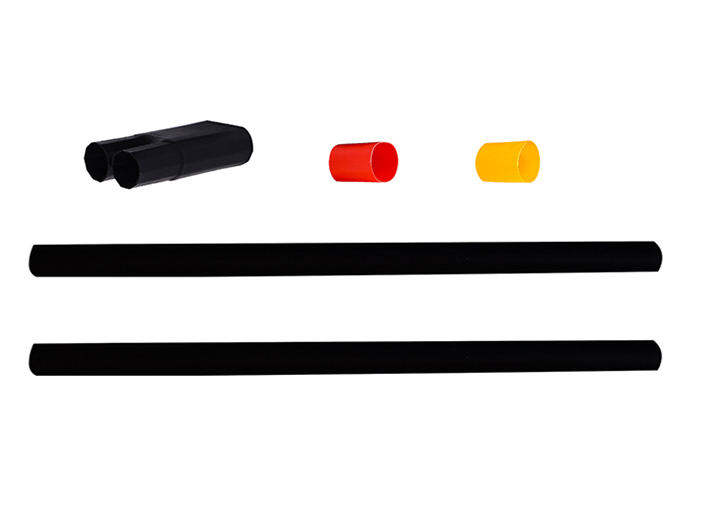
What Is Electron Beam Irradiation?
Electron beam irradiation is a physical process in which high-energy electrons are directed onto polymer materials. These electrons penetrate the material and interact with molecular chains, causing structural changes such as crosslinking or chain scission.
The result is a significant improvement in material properties, including:
Mechanical strength
Thermal resistance
Chemical stability
Electrical insulation performance
Unlike chemical modification methods, electron beam processing is clean, precise, and highly controllable.
How Electron Beam Irradiation Works on Polymers
When high-energy electrons strike a polymer material, they transfer energy to molecular bonds. This energy breaks existing bonds and creates reactive sites that allow new molecular structures to form.
Two Key Reactions Occur:
1. Crosslinking
Polymer chains are chemically bonded together, forming a three-dimensional network structure.
2. Chain Scission
In some cases, molecular chains are broken into smaller segments, depending on material type and irradiation dose.
For most engineering applications, crosslinking is the desired effect because it enhances overall material performance.
Key Performance Improvements in Polymers
Electron beam irradiation significantly enhances multiple properties of polymer materials.
Improved Thermal Resistance
One of the most important benefits is increased heat resistance.
Crosslinked polymer structures can withstand higher temperatures without melting or deforming. This makes them suitable for demanding environments such as:
Power cables
Automotive engine compartments
Industrial insulation systems
For example, crosslinked polyethylene (XLPE) can operate at much higher temperatures than standard polyethylene.
Enhanced Mechanical Strength
Electron beam irradiation improves:
Tensile strength
Impact resistance
Abrasion resistance
The crosslinked molecular network provides better structural integrity, reducing material deformation under stress.
This is especially important for:
Wire and cable insulation
Industrial tubing
Protective coatings
Better Chemical Resistance
Crosslinked polymers are more resistant to:
Oils and fuels
Solvents
Acids and alkalis
Industrial chemicals
This makes irradiated polymers ideal for harsh chemical environments such as factories, laboratories, and automotive systems.
Improved Electrical Insulation Performance
In electrical applications, electron beam irradiation enhances dielectric properties by stabilizing the polymer structure.
Benefits include:
Lower leakage current
Improved breakdown voltage
Better long-term insulation stability
This is critical for:
High-voltage cables
Heat shrink tubing
Electrical connectors and components
Increased Aging and Weather Resistance
Polymer materials exposed to UV radiation, oxygen, and moisture tend to degrade over time. Electron beam irradiation improves aging resistance by creating more stable molecular structures.
This leads to:
Slower degradation
Reduced cracking
Longer service life
Better outdoor performance
Flame Retardant Performance Improvement
In many applications, irradiated polymers show improved flame resistance, especially when combined with flame-retardant additives.
Benefits include:
Slower flame spread
Reduced smoke emission
Better safety performance in electrical systems
How Electron Beam Irradiation Differs from Chemical Crosslinking
| Feature | Electron Beam Irradiation | Chemical Crosslinking |
| Process Type | Physical | Chemical |
| Additives Required | No | Yes |
| Processing Time | Seconds | Hours |
| Environmental Impact | Low | Higher |
| Control Precision | High | Moderate |
| Product Purity | High | Possible residue |
Electron beam processing is increasingly preferred due to its clean and efficient nature.
Industrial Applications of Irradiated Polymers
Electron beam modified polymers are widely used across industries.
Wire and Cable Industry
Used to produce crosslinked insulation materials with high heat resistance and durability.
Heat Shrink Products
Ensures uniform shrink performance and mechanical stability.
Automotive Industry
Improves durability of hoses, tubing, and wiring components.
Medical Industry
Used in sterile, high-performance disposable products.
Packaging Industry
Enhances strength and barrier properties of films and containers.
Advantages of Electron Beam Irradiation Technology
Clean and Eco-Friendly
No chemicals or solvents are required.
High Efficiency
Processing is completed in seconds, improving production speed.
Precise Control
Dose levels can be adjusted to achieve desired material properties.
Strong Performance Enhancement
Significant improvements in thermal, mechanical, and chemical properties.
Suitable for Continuous Production
Easily integrated into industrial manufacturing lines.
Factors Affecting Irradiation Results
Several factors influence the final performance of irradiated polymers:
Electron beam energy level
Irradiation dose
Polymer type and composition
Presence of additives
Processing environment
Optimizing these parameters is essential for achieving desired material characteristics.
Future Trends in Electron Beam Polymer Processing
The technology is evolving toward:
More energy-efficient accelerators
Smart process control systems
Expanded material compatibility
Integration with Industry 4.0 manufacturing
Green and sustainable production systems
These advancements will further expand the use of irradiated polymers in high-performance applications.
Conclusion
Electron beam irradiation is a powerful technology that significantly improves polymer material performance. By modifying molecular structures through controlled crosslinking, it enhances thermal resistance, mechanical strength, chemical stability, and electrical insulation properties.
Compared with traditional chemical methods, electron beam processing offers a cleaner, faster, and more efficient solution for modern industrial manufacturing.
As demand for high-performance materials continues to grow, electron beam irradiation will play an increasingly important role in advancing polymer technology across multiple industries.
FAQ
What is electron beam irradiation used for in polymers?
It is used to improve polymer properties such as heat resistance, strength, and durability through molecular crosslinking.
Does electron beam irradiation use chemicals?
No. It is a physical process that does not require chemical additives.
Which polymers benefit most from irradiation?
Common materials include polyethylene, PVC, and other engineering plastics.
Is irradiated polymer safer?
Yes. It generally has improved stability, durability, and resistance to environmental factors.
What industries use irradiated polymers?
Cable manufacturing, automotive, medical devices, packaging, and industrial applications.