
Introduction
High-voltage substations are the backbone of modern power systems, ensuring that electricity is transmitted, transformed, and distributed safely and efficiently. Within these complex systems, one often overlooked but essential component is high voltage cable accessories. These components play a decisive role in maintaining system reliability, safety, and long-term performance.
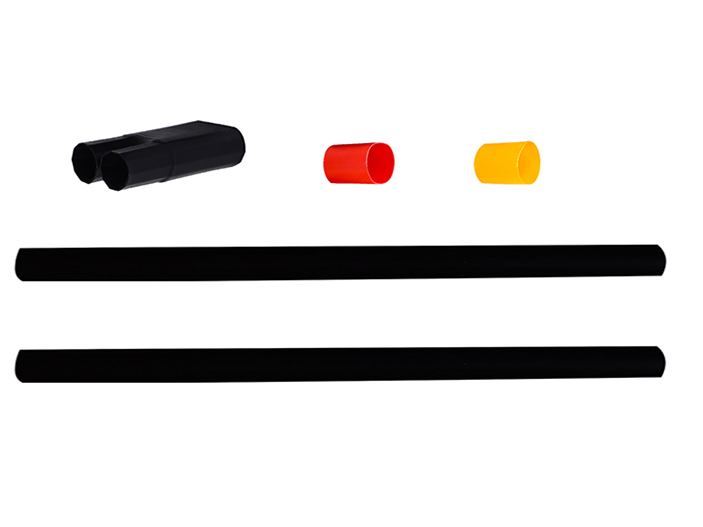
What Are High Voltage Cable Accessories?
High voltage cable accessories refer to a range of components used to connect, terminate, and protect high-voltage power cables. They include:
Cable joints (straight and transition joints)
Cable terminations (indoor and outdoor)
Separable connectors
Stress control components
Sealing and insulation systems
These accessories are designed to ensure that the electrical field is properly managed and that the cable system operates safely under extreme voltage conditions.
In the context of High Voltage Power System, these accessories are not optional—they are essential for system integrity.
Why Cable Accessories Matter in Substations
1. Ensuring Electrical Safety
Substations operate at extremely high voltages, where even minor insulation failures can lead to catastrophic consequences. Cable accessories help:
Control electrical stress at connection points
Prevent partial discharge
Reduce risk of flashovers and insulation breakdown
Without proper accessories, the weakest point in the system would always be the cable connection itself.
2. Maintaining System Reliability
Power grids demand uninterrupted performance. Cable accessories ensure:
Stable current flow across cable joints
Reduced energy loss
Consistent insulation performance over time
Even a small defect in a joint or termination can lead to unexpected outages across the system.
3. Managing Electrical Stress Distribution
At cable connections, electric fields become highly concentrated. High voltage cable accessories are engineered to:
Evenly distribute electrical stress
Avoid hotspots that can degrade insulation
Extend the lifespan of the entire cable system
This stress control function is one of their most critical engineering roles.
4. Protecting Against Environmental Conditions
Substations often operate in harsh environments—outdoor installations, temperature fluctuations, humidity, and pollution all affect performance.
High-quality accessories provide:
Moisture sealing
UV resistance
Corrosion protection
Thermal stability
This ensures long-term durability even in challenging conditions.
5. Supporting Maintenance and Flexibility
Modern substations require scalable and maintainable designs. Cable accessories enable:
Easier installation and replacement
Modular system upgrades
Faster fault isolation and repair
This reduces downtime and improves operational efficiency.
Common Types of High Voltage Cable Accessories in Substations
Cable Terminations
Used at the end of cables to safely connect them to equipment like transformers or switchgear.
Cable Joints
Used to connect two cable lengths while maintaining insulation and electrical continuity.
Separable Connectors
Allow safe and detachable connections, often used in GIS (Gas Insulated Switchgear) systems.
Stress Control Kits
Ensure uniform electric field distribution around cable insulation and metallic shielding.
Key Challenges Without Proper Accessories
Failing to use high-quality cable accessories can lead to:
Partial discharge and insulation failure
Frequent power outages
Equipment damage in substations
Increased maintenance costs
Reduced lifespan of power infrastructure
In high-voltage environments, even small installation errors can escalate into major system failures.
Future Trends in Cable Accessories Technology
As power systems evolve, so do cable accessories. Key trends include:
Smart monitoring integration (partial discharge sensors)
Eco-friendly insulation materials
Prefabricated and plug-and-play designs
Improved polymer-based stress control materials
Enhanced aging resistance for long-term stability
These innovations align with the growing demand for smarter and more resilient grid systems.
Conclusion
High voltage cable accessories are not just supporting components—they are critical safety and performance enablers in substations. By ensuring proper insulation, stress control, and environmental protection, they safeguard the entire power transmission system.
In modern electrical infrastructure, the reliability of a substation is only as strong as its weakest cable connection. That is why investing in high-quality cable accessories is essential for long-term stability and operational safety.
FAQ
1. What are high voltage cable accessories used for?
High voltage cable accessories are used to connect, terminate, and insulate power cables in substations and transmission systems. They ensure safe electrical performance by managing insulation, sealing, and electrical stress at connection points.
2. Why are cable accessories so important in substations?
Because substations operate at extremely high voltages, any weak point can lead to insulation failure or outages. Cable accessories ensure stable connections, reduce partial discharge risk, and maintain long-term system reliability.
3. What are the main types of high voltage cable accessories?
The most common types include:
Cable joints (straight and transition)
Cable terminations (indoor and outdoor)
Separable connectors
Stress control kits
Sealing and insulation components
4. What happens if low-quality cable accessories are used?
Poor-quality accessories can cause:
Partial discharge
Insulation breakdown
Power outages
Equipment damage
Increased maintenance costs
5. How do cable accessories improve safety?
They control electrical stress, prevent moisture ingress, and ensure proper insulation around connection points, reducing the risk of flashovers and electrical faults.
6. Are cable accessories different for indoor and outdoor substations?
Yes. Outdoor accessories require stronger resistance to UV radiation, moisture, and temperature changes, while indoor accessories focus more on compact design and controlled environments.