
Introduction
In power transmission and distribution systems, reliable conductor connections are essential for maintaining electrical efficiency and network stability. When copper and aluminum conductors need to be connected, special consideration must be given to conductivity, corrosion resistance, and mechanical strength. This is where Bimetal Parallel Groove Clamps (Bimetal PG Clamps) play a critical role.
Designed specifically for joining dissimilar conductors, Bimetal PG Clamps provide a safe, durable, and efficient connection solution for overhead lines, substations, renewable energy installations, and industrial electrical systems.
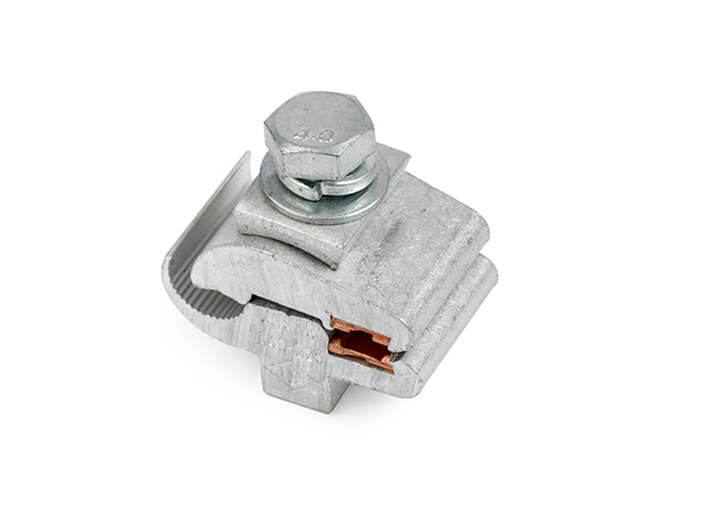
What Is a Bimetal Parallel Groove Clamp?
A Bimetal Parallel Groove Clamp is a conductor connector designed to join:
Copper-to-copper conductors
Aluminum-to-aluminum conductors
Copper-to-aluminum conductors
Unlike standard aluminum clamps, a bimetal design incorporates both copper and aluminum materials, allowing it to safely connect different conductor types while minimizing galvanic corrosion and maintaining excellent electrical conductivity.
Why Is a Bimetal Design Necessary?
When copper and aluminum are connected directly, several problems can occur:
Galvanic Corrosion
Copper and aluminum have different electrochemical properties. In the presence of moisture, direct contact can create galvanic corrosion.
Potential consequences include:
Increased electrical resistance
Connector degradation
Overheating
Reduced service life
Different Thermal Expansion Rates
Copper and aluminum expand and contract differently when temperatures fluctuate.
This can result in:
Loose connections
Contact pressure loss
Reduced conductivity
Bimetal PG Clamps are engineered to address these challenges through specialized material combinations and structural design.
Main Components of a Bimetal PG Clamp
Although designs vary by manufacturer, most Bimetal Parallel Groove Clamps consist of the following key components:
1. Aluminum Body
The main clamp body is typically manufactured from high-strength aluminum alloy.
Functions
Provides structural support
Holds conductors securely
Ensures lightweight construction
Offers excellent corrosion resistance
Aluminum is commonly chosen because of its favorable conductivity-to-weight ratio and long-term durability.
2. Copper Contact Section
The copper section is integrated into the clamp where copper conductors make contact.
Benefits
Improved compatibility with copper conductors
Reduced contact resistance
Enhanced current-carrying capability
Prevention of galvanic corrosion
This copper interface creates a stable electrical connection while protecting both conductor materials.
3. Groove Structure
The parallel grooves are designed to accommodate conductors of specified sizes.
The groove design provides:
Large contact surface area
Uniform pressure distribution
Improved conductivity
Enhanced mechanical retention
The grooves may be engineered to support:
Equal conductor sizes
Different conductor sizes
Copper-to-aluminum conductor combinations
4. Fastening Hardware
Most Bimetal PG Clamps use:
Bolts
Nuts
Washers
Pressure plates
These components generate the compression force required to maintain a secure conductor connection.
High-quality hardware is often galvanized or corrosion-resistant to ensure long-term outdoor performance.
How the Bimetal Bond Is Created
One of the most important aspects of a Bimetal PG Clamp is the connection between the copper and aluminum sections.
Manufacturers typically use advanced bonding technologies such as:
Friction Welding
High-speed friction creates heat that permanently joins the metals.
Explosion Bonding
A controlled process that metallurgically bonds copper and aluminum surfaces.
Pressure Welding
Mechanical and thermal energy combine to create a strong metal-to-metal bond.
These methods produce:
Low electrical resistance
High mechanical strength
Excellent corrosion resistance
The resulting bond is often stronger and more reliable than conventional mechanical joints.
Key Design Features of Bimetal PG Clamps
Large Contact Area
A larger contact area helps:
Lower contact resistance
Improve current flow
Reduce heat generation
Enhance connection stability
This is one of the primary reasons PG Clamps are widely used in overhead power systems.
Uniform Compression Force
The clamp design ensures pressure is distributed evenly across the conductor surface.
Benefits include:
Reduced conductor damage
Consistent conductivity
Improved mechanical strength
Lower risk of hot spots
Corrosion-Resistant Construction
Outdoor electrical systems face exposure to:
Rain
Humidity
Salt spray
Industrial pollutants
Bimetal PG Clamps are designed with corrosion resistance in mind to ensure long service life under these conditions.
High Mechanical Strength
The clamp must withstand:
Wind-induced vibration
Thermal cycling
Conductor tension
Mechanical loading
Robust structural design helps maintain reliable performance throughout the product’s lifespan.
Electrical Performance Advantages
The structure of a Bimetal PG Clamp directly contributes to superior electrical performance.
Low Contact Resistance
Proper conductor contact minimizes power loss and heat generation.
Efficient Current Transfer
The copper-aluminum interface supports stable current flow between dissimilar conductors.
Reduced Hot Spot Formation
Uniform compression and large contact surfaces help prevent localized overheating.
Long-Term Stability
The design maintains electrical performance even after years of environmental exposure.
Mechanical Performance Advantages
Beyond conductivity, mechanical reliability is equally important.
Vibration Resistance
Secure fastening helps maintain contact pressure under dynamic conditions.
Conductor Protection
Proper groove design minimizes conductor deformation during installation.
Structural Durability
High-quality materials resist cracking, fatigue, and mechanical wear.
These characteristics are particularly valuable in overhead line applications.
Typical Applications of Bimetal Parallel Groove Clamps
Overhead Power Distribution Lines
Used for conductor splicing and tap connections.
Electrical Substations
Provide reliable connections between copper and aluminum components.
Renewable Energy Installations
Support solar farms, wind power systems, and energy storage facilities.
Industrial Power Networks
Used in manufacturing plants, utilities, and infrastructure projects.
Railway Electrification Systems
Provide durable connections under vibration and varying environmental conditions.
Factors to Consider When Selecting a Bimetal PG Clamp
When choosing a clamp, consider:
Conductor Material
Verify compatibility with copper and aluminum conductors.
Conductor Size
Select a clamp designed for the conductor diameter range.
Current Rating
Ensure adequate current-carrying capacity.
Environmental Conditions
Consider:
Humidity
Salt exposure
Pollution levels
Temperature fluctuations
Quality Standards
Choose products from reputable manufacturers that meet industry requirements.
Future Developments in Bimetal PG Clamp Design
As power infrastructure continues to evolve, manufacturers are developing improved designs featuring:
Enhanced corrosion-resistant coatings
Stronger aluminum alloys
Optimized contact geometry
Increased current capacity
Improved installation efficiency
These innovations support the growing demands of smart grids, renewable energy systems, and modern electrical networks.
Conclusion
The structure and design of a Bimetal Parallel Groove Clamp are carefully engineered to provide reliable electrical and mechanical performance when connecting copper and aluminum conductors. By combining a corrosion-resistant aluminum body with a copper contact interface, these clamps effectively address the challenges associated with dissimilar metal connections.
Their large contact area, strong mechanical design, and superior corrosion resistance make them an essential component in power distribution systems, substations, renewable energy projects, and industrial electrical installations. Understanding their construction and operating principles helps engineers and buyers select the right solution for long-term performance and system reliability.
FAQ
What is the purpose of a Bimetal PG Clamp?
A Bimetal PG Clamp is designed to safely connect copper and aluminum conductors while minimizing corrosion and maintaining reliable electrical conductivity.
Why does a Bimetal PG Clamp use both copper and aluminum?
The combination helps prevent galvanic corrosion and ensures compatibility between different conductor materials.
How is the copper-aluminum bond created?
Manufacturers typically use friction welding, explosion bonding, or pressure welding to create a strong and durable metallurgical bond.
Are Bimetal PG Clamps suitable for outdoor applications?
Yes. They are designed to withstand moisture, temperature changes, pollution, and other environmental challenges.
What industries commonly use Bimetal PG Clamps?
Power utilities, substations, renewable energy projects, industrial facilities, transportation systems, and infrastructure projects frequently use these connectors.