

Introduction
What Is a Suspension Assembly Clamp With Bracket?
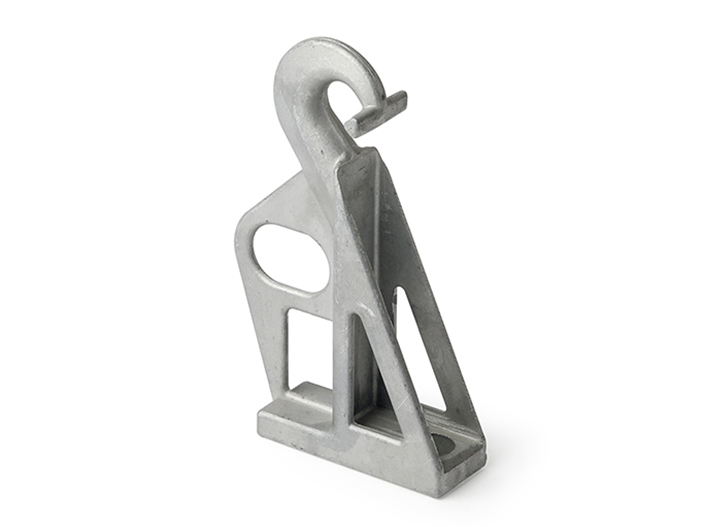
A suspension assembly clamp with bracket is used to support and secure overhead conductors or insulated cables on poles, towers, and structures. Proper installation directly affects load distribution, cable positioning, and long-term system reliability. Suspension systems are widely used in aerial bundled cable networks and overhead power transmission projects.
Common Installation Challenges
Improper installation can lead to uneven stress distribution, conductor wear, and premature component failure. Incorrect torque settings often increase the risk of slippage and fatigue damage.
Alignment Best Practices
- Ensure central conductor positioning
- Verify bracket angle
- Maintain load symmetry
- Use alignment tools
Recommended Bolt Torque Practices
| Installation Item | Recommendation |
|---|---|
| Initial Tightening | Hand tighten first |
| Final Tightening | Use torque wrench |
| Reinspection | After initial operation |
| Maintenance | Periodic inspection |
Step-by-Step Installation Process
Step 1 Position bracket
Step 2 Install bolts
Step 3 Mount suspension clamp
Step 4 Apply torque
Step 5 Verify alignment
Why is bolt torque important for suspension clamps?
Correct torque prevents slippage, uneven load transfer, and conductor damage during operation.
What happens if a suspension clamp is misaligned?
Misalignment may create localized stress, conductor wear, and premature hardware failure.
How often should clamp bolts be inspected?
Initial inspections are often performed within the first months after installation and then incorporated into routine maintenance schedules.
Need Suspension Clamp Specifications or Project Support? Contact us!
Proper installation of suspension assembly clamps with brackets is critical to ensure the safety, stability, and long-term performance of suspended cables and conductors. Even a high-quality clamp can fail prematurely if installed incorrectly. Key factors such as alignment, bolt torque, and safety protocols must be carefully managed during installation.
Importance of Proper Alignment
1.1Ensuring Load Distribution
Proper alignment of the clamp relative to the supporting structure and cable ensures that the mechanical load is evenly distributed. Misalignment can cause:
Uneven pressure on the cable, leading to strand deformation
Localized stress on the clamp, reducing fatigue life
Increased risk of slip or rotation under dynamic loads
2. Maintaining Cable Position
Suspension assembly clamps with brackets often serve as a primary positioning device for cables or conductors. Correct alignment guarantees:
Accurate hanger spacing
Consistent cable routing
Prevention of tangling or interference with adjacent lines
Torque Control for Clamp Bolts
1. Role of Bolt Torque
The bolts in suspension assembly clamps generate the clamping force necessary to secure cables without causing damage. Both under-tightening and over-tightening can lead to serious problems:
Under-tightening:
Risk of cable slippage
Reduced load transfer efficiency
Potential misalignment over time
Over-tightening:
Deformation of the clamp body
Damage to cable strands or insulation
Premature fatigue of bolts
2. Recommended Practices
Always follow the manufacturer’s specified torque values for bolts.
Use a calibrated torque wrench to ensure accurate tightening.
Recheck bolt torque after initial installation and during early maintenance inspections.
Safety Considerations During Installation
1. Personal Safety
Installation of suspension assembly clamps often occurs at heights or in electrically energized areas. Safety measures include:
Wearing appropriate personal protective equipment (PPE) such as helmets, gloves, and harnesses
Using fall protection systems when working on towers or poles
Ensuring tools and fasteners are securely tethered
2. Equipment and Site Safety
Inspect all clamps, brackets, and fasteners for defects or corrosion before use
Maintain a clear work area to prevent accidental contact with live lines or moving machinery
Follow proper lockout/tagout (LOTO) procedures when working near energized circuits
3. Load Safety
Never exceed the specified load rating of the clamp or supporting structure
Account for dynamic loads, wind, and temperature-induced expansion during installation
Step-by-Step Installation Best Practices
Pre-assembly Check: Verify that all clamp parts, brackets, bolts, and linings are free from defects.
Positioning: Align the clamp with the cable and supporting structure using alignment tools.
Initial Bolting: Hand-tighten bolts to hold the clamp in position.
Torque Application: Use a calibrated torque wrench to tighten bolts to the manufacturer-specified torque.
Verification: Check cable alignment, clamp seating, and bolt tension. Adjust if necessary.
Documentation: Record torque values, clamp positions, and installation date for maintenance tracking.
Long-Term Maintenance Considerations
Periodically inspect bolt torque and retighten if necessary
Check for corrosion, wear, or misalignment
Replace damaged or worn clamps promptly to maintain system integrity
Proper alignment, torque control, and safety measures during installation significantly enhance the durability and reliability of suspension assembly clamps, preventing costly failures and ensuring safe operation over the service life of the cable system.
Conclusion
Proper installation of suspension assembly clamps with brackets is not just about attaching hardware—it is about ensuring alignment, controlling bolt torque, and following rigorous safety protocols. Adhering to best practices during installation protects both personnel and equipment, maintains cable performance, and extends the lifespan of the entire suspension system.
FAQ
Q1: How often should bolt torque be checked after installation?
Typically, bolts should be inspected during the first 3–6 months after installation and then periodically as part of routine maintenance.
Q2: Can misaligned clamps be adjusted after full tightening?
Yes, but adjustments should be performed carefully with proper tools to avoid damaging the cable or clamp.
Q3: What is the safest way to install clamps on live systems?
Follow industry-standard live-line work procedures, use insulated tools, and wear appropriate PPE. De-energizing circuits whenever possible is always recommended.