
Introduction
Modern power distribution networks rely on thousands of electrical connections to ensure the safe and efficient delivery of electricity from substations to end users. Among the critical components used in these systems, Bimetal Parallel Groove Clamps (Bimetal PG Clamps) play an important role in connecting conductors, maintaining electrical continuity, and preventing connection-related failures.
As utilities increasingly use both copper and aluminum conductors in their networks, the demand for reliable bimetallic connectors continues to grow. Bimetal PG Clamps are specifically designed to provide secure and long-lasting connections between dissimilar metals while minimizing corrosion and electrical resistance.
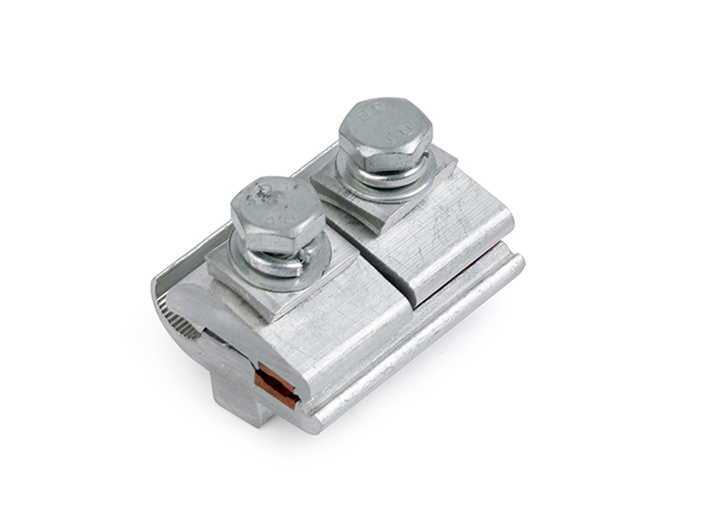
What Is a Bimetal PG Clamp?
A Bimetal Parallel Groove Clamp is a conductor connector designed to join:
Copper-to-copper conductors
Aluminum-to-aluminum conductors
Copper-to-aluminum conductors
The clamp combines aluminum and copper materials in a single connector, allowing efficient current transfer while preventing galvanic corrosion between dissimilar conductors.
Its parallel groove structure provides:
Large contact area
Strong mechanical grip
Low contact resistance
Reliable long-term performance
These features make Bimetal PG Clamps ideal for power distribution applications.
Why Bimetal PG Clamps Are Important in Distribution Systems
Power distribution networks often include a mix of conductor materials due to:
Network expansions
Infrastructure upgrades
Cost optimization
Equipment replacement projects
Directly connecting copper and aluminum conductors can create problems such as:
Galvanic corrosion
Increased resistance
Overheating
Connection failure
Bimetal PG Clamps eliminate these risks while ensuring stable electrical performance.
1. Overhead Distribution Line Connections
One of the most common applications of Bimetal PG Clamps is in overhead power distribution lines.
Utilities frequently use these clamps for:
Main conductor connections
Branch line connections
Tap connections
Network extensions
Benefits
Secure conductor attachment
Low electrical resistance
Excellent weather resistance
Long service life
Their robust design helps maintain reliable power delivery even in challenging outdoor environments.
2. Copper-to-Aluminum Conductor Transitions
Many distribution systems contain both copper and aluminum conductors.
Examples include:
Upgraded distribution circuits
Substation expansions
Mixed-material electrical infrastructure
Bimetal PG Clamps provide a safe transition point between the two conductor types.
Advantages
Prevent galvanic corrosion
Maintain conductivity
Reduce maintenance requirements
Improve connection reliability
This application is one of the primary reasons Bimetal PG Clamps were developed.
3. Substation Electrical Connections
Substations contain numerous conductor connections that require high reliability.
Bimetal PG Clamps are commonly used for:
Busbar connections
Equipment interconnections
Transformer conductor connections
Grounding conductor joints
Why They Are Used
High current-carrying capability
Excellent mechanical strength
Reliable long-term performance
Compatibility with mixed conductor materials
Substation operators depend on these connectors to maintain uninterrupted network operation.
4. Distribution Transformer Installations
Distribution transformers often connect to both copper and aluminum conductors.
Bimetal PG Clamps are used to:
Connect incoming overhead conductors
Join transformer leads
Create service taps
Their corrosion-resistant design helps ensure stable transformer performance over many years of operation.
5. Service Drop Connections
Service drops connect utility distribution lines to customer premises.
In these installations, conductor materials may vary depending on:
Utility standards
Building age
Service upgrades
Bimetal PG Clamps provide a practical solution for creating secure and efficient service connections.
Key Benefits
Reduced connection resistance
Improved reliability
Lower maintenance requirements
6. Network Expansion and Grid Upgrades
As electrical demand grows, utilities frequently expand and modernize their networks.
During these projects, engineers often encounter:
Existing copper conductors
New aluminum conductors
Mixed-material infrastructure
Bimetal PG Clamps simplify the integration process by providing reliable conductor transitions without requiring extensive conductor replacement.
This makes them a cost-effective solution for network upgrades.
7. Renewable Energy Integration
Renewable energy systems are increasingly connected to distribution networks.
Applications include:
Solar farms
Wind energy projects
Battery energy storage systems
Microgrids
These installations often require connections between different conductor materials.
Bimetal PG Clamps provide:
Stable electrical performance
Corrosion protection
Outdoor durability
Long-term reliability
Their use helps support the growing transition toward cleaner energy systems.
8. Rural Electrification Projects
Rural distribution networks often face unique challenges, including:
Long conductor runs
Limited maintenance access
Exposure to harsh weather conditions
Bimetal PG Clamps are commonly used because they offer:
Easy installation
Strong mechanical performance
Minimal maintenance requirements
Reliable electrical conductivity
These characteristics make them well-suited for remote installations.
9. Industrial Power Distribution Networks
Large industrial facilities frequently operate their own internal power distribution systems.
Applications include:
Manufacturing plants
Mining operations
Processing facilities
Utility infrastructure projects
Bimetal PG Clamps help maintain reliable conductor connections while withstanding:
Vibration
Thermal cycling
Environmental contaminants
Their durability contributes to improved operational reliability.
Advantages of Bimetal PG Clamps in Power Distribution Networks
Excellent Corrosion Resistance
The bimetallic design helps prevent galvanic corrosion between copper and aluminum conductors.
Low Contact Resistance
Large contact surfaces improve conductivity and reduce energy losses.
Strong Mechanical Strength
Secure conductor retention ensures long-term connection stability.
Weather Resistance
Suitable for outdoor environments exposed to:
Rain
Humidity
UV radiation
Temperature fluctuations
Long Service Life
Properly installed clamps can provide decades of reliable operation.
Best Practices for Installation
To maximize performance, utilities should follow proper installation procedures.
Select the Correct Clamp Size
Ensure compatibility with conductor dimensions.
Follow Manufacturer Torque Specifications
Proper tightening ensures optimal contact pressure.
Use Compatible Conductors
Verify conductor materials and ratings.
Conduct Regular Inspections
Check for:
Corrosion
Loose hardware
Mechanical damage
Hot spots
Proper maintenance extends service life and improves reliability.
Future Trends in Bimetal PG Clamp Applications
As electrical infrastructure continues to evolve, demand for Bimetal PG Clamps is expected to increase.
Key drivers include:
Smart grid development
Renewable energy expansion
Distribution network modernization
Electrification initiatives
Aging infrastructure replacement
Future connector designs may incorporate:
Enhanced corrosion protection
Higher current capacities
Improved installation efficiency
Smart monitoring technologies
These innovations will further strengthen the role of Bimetal PG Clamps in modern power systems.
Conclusion
Bimetal PG Clamps are an essential component in power distribution networks, providing safe and reliable connections between copper and aluminum conductors. Their ability to prevent galvanic corrosion, maintain low electrical resistance, and withstand harsh environmental conditions makes them indispensable for utilities, substations, renewable energy projects, and industrial power systems.
As distribution networks continue to expand and modernize, Bimetal PG Clamps will remain a critical solution for ensuring efficient, durable, and cost-effective electrical connections.
FAQ
What is the main purpose of a Bimetal PG Clamp?
Its primary purpose is to safely connect copper and aluminum conductors while minimizing corrosion and maintaining reliable electrical conductivity.
Where are Bimetal PG Clamps most commonly used?
They are widely used in overhead distribution lines, substations, transformer installations, renewable energy projects, and industrial power systems.
Why are Bimetal PG Clamps preferred for copper-to-aluminum connections?
Their bimetallic design prevents galvanic corrosion and ensures stable electrical performance between dissimilar conductor materials.
Can Bimetal PG Clamps be used outdoors?
Yes. They are specifically designed to withstand weather exposure, humidity, temperature changes, and environmental contamination.
How long do Bimetal PG Clamps typically last?
With proper installation and maintenance, high-quality Bimetal PG Clamps can provide many years, often decades, of reliable service in power distribution applications.