
Introduction
Fiber optic networks form the backbone of modern communication systems, enabling high-speed data transmission for internet, telecom, and smart city applications. While fiber optic cables themselves are crucial, the supporting hardware—including tension brackets—is equally important for network reliability and longevity.
Matching optical cable tension brackets are specifically designed to secure optical cable accessories, maintain proper tension, and protect fibers from mechanical stress, ensuring efficient and safe network operation.
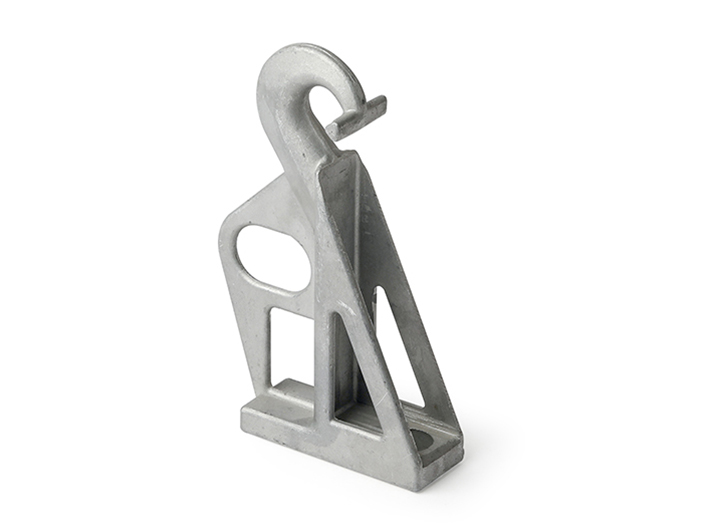
What Are Matching Optical Cable Tension Brackets?
A matching optical cable tension bracket is a mechanical accessory used in fiber optic network installations. Its main function is to:
Anchor optical cables and accessories (like splitters, closures, or junction boxes)
Maintain proper tension along aerial or pole-mounted cables
Prevent sagging or excessive mechanical stress on fiber optic cables
These brackets are designed to match specific optical cable accessories for optimal compatibility and performance.
Key Applications in Fiber Optic Networks
1.Aerial Fiber Optic Cable Installation
In overhead fiber optic deployments, tension brackets are used to:
Secure cable accessories to poles and towers
Maintain correct tension in fiber optic cables
Prevent sagging caused by gravity or environmental loads
Properly installed brackets ensure stable line alignment, reducing the risk of fiber damage.
2.Supporting Optical Splitters and Closures
Fiber optic splitters, closures, and splice boxes often require secure mounting. Tension brackets:
Provide mechanical support for these components
Prevent accidental movement during maintenance or environmental stress
Ensure fibers remain organized and properly aligned inside closures
This is critical for maintaining low insertion loss and network performance.
3.Long-Distance Distribution Networks
In long-distance aerial networks, fiber cables are subjected to wind, temperature changes, and ice loads. Tension brackets:
Absorb mechanical forces and distribute them evenly
Reduce stress on the cable jacket and fibers
Extend the operational lifespan of the cable and accessories
These brackets are particularly important for high-span or exposed cable sections.
4.Utility and Smart City Infrastructure
Fiber networks for smart grids, street lighting, or surveillance systems also rely on tension brackets to:
Anchor fiber optic cables and related accessories to poles or wall mounts
Maintain stable network connections in urban environments
Protect fibers from mechanical stress and accidental displacement
They ensure reliable signal transmission in densely populated areas.
Benefits of Using Matching Optical Cable Tension Brackets
Enhanced Cable Stability: Prevents sagging and fiber breakage
Mechanical Protection: Reduces stress from wind, ice, or environmental loads
Accessory Compatibility: Designed to fit specific optical cable accessories for secure installation
Ease of Installation: Lightweight and pre-engineered for quick deployment
Durability: Corrosion-resistant materials ensure long-term outdoor use
Material Considerations
Most optical cable tension brackets are made from aluminium alloy, stainless steel, or UV-resistant polymers, providing:
High mechanical strength
Corrosion and UV resistance for outdoor environments
Long service life with minimal maintenance
Material selection is essential for ensuring network reliability and safety, especially in harsh climates.
Installation Best Practices
To ensure optimal performance:
Choose a tension bracket that matches the specific optical cable accessory.
Ensure the bracket is securely mounted on poles, towers, or wall supports.
Maintain proper cable tension—neither too tight nor too loose.
Use corrosion-resistant fasteners and follow manufacturer torque specifications.
Periodically inspect for mechanical wear or environmental damage.
Conclusion
Matching optical cable tension brackets are essential components for fiber optic networks, providing mechanical stability, protecting fibers from stress, and securing cable accessories. Proper selection and installation of these brackets ensure network reliability, minimize maintenance, and extend the lifespan of fiber optic infrastructure.
In modern fiber optic deployments—whether urban, rural, or industrial—tension brackets are a small but vital part of building a durable, high-performance network.
FAQ
1. What is a matching optical cable tension bracket?
A matching optical cable tension bracket is a mechanical accessory designed to secure optical cable accessories and maintain proper cable tension in fiber optic networks. It helps prevent sagging, stress, and fiber damage in aerial and pole-mounted installations.
2. Where are optical cable tension brackets commonly used?
They are commonly used in:
Aerial fiber optic cable lines
Pole or tower-mounted closures and splitters
Long-distance distribution networks
Smart city infrastructure such as street lighting or surveillance systems
3. Why is it important to match the bracket with cable accessories?
Using a bracket that matches specific optical cable accessories ensures:
Secure and stable mounting
Proper alignment of fibers
Reduced risk of mechanical damage and signal loss
4. What materials are used in optical cable tension brackets?
Typical materials include:
Aluminium alloy for lightweight strength
Stainless steel for high mechanical durability
UV-resistant polymers for corrosion and weather protection
These materials ensure long-term outdoor reliability.
5. How do tension brackets protect fiber optic cables?
Tension brackets:
Maintain proper cable tension to prevent sagging
Absorb mechanical stress from wind, ice, or temperature changes
Protect mounted accessories such as closures and splitters
This prevents fiber breakage and maintains network performance.