
Introduction
Parallel Groove Clamps (PG Clamps) are essential components in overhead power distribution and transmission systems. They provide reliable electrical and mechanical connections between conductors, ensuring stable current flow and network performance. However, like any outdoor electrical component, Parallel Groove Clamps are exposed to weather, pollution, temperature fluctuations, and mechanical stress throughout their service life.
Proper maintenance is critical for preventing connection failures, reducing power losses, and extending the lifespan of overhead line infrastructure. In this article, we’ll explore the best practices for maintaining Parallel Groove Clamps in overhead line systems and ensuring long-term operational reliability.
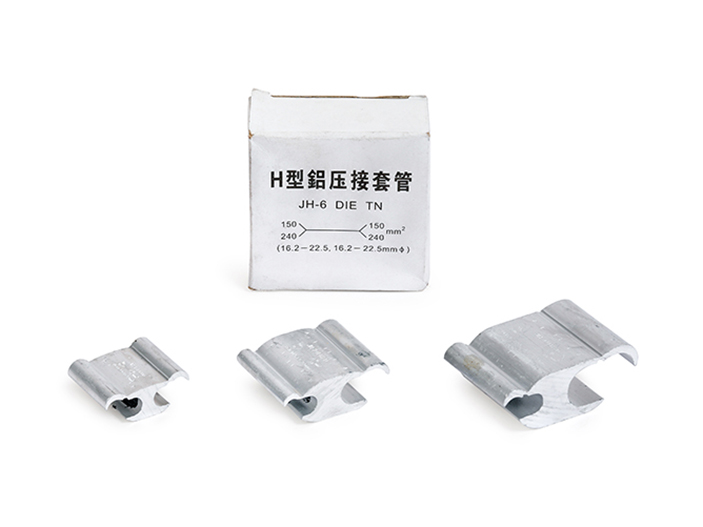
Why Maintenance of Parallel Groove Clamps Matters
A poorly maintained clamp can lead to several issues, including:
Increased contact resistance
Overheating and hot spots
Power losses
Corrosion-related failures
Conductor damage
Unexpected outages
Routine inspection and preventive maintenance help utilities and industrial operators identify potential problems before they affect system performance.
Understanding the Role of Parallel Groove Clamps
Parallel Groove Clamps are commonly used to:
Connect parallel conductors
Create tap connections
Join conductors in distribution networks
Support power transmission line installations
Because these connections carry electrical current continuously, maintaining a secure and low-resistance contact is essential.
1. Schedule Regular Visual Inspections
Visual inspections are the first line of defense against connection failures.
Inspect clamps for signs of:
Corrosion
Surface oxidation
Cracks or deformation
Loose hardware
Burn marks
Discoloration caused by overheating
Early detection of visible damage allows maintenance teams to address issues before they become critical.
Recommended Inspection Frequency
Every 6–12 months for normal environments
Every 3–6 months in coastal or industrial areas
After severe storms or extreme weather events
2. Check for Corrosion and Oxidation
Corrosion is one of the most common causes of connector deterioration.
Particular attention should be paid to installations in:
Coastal regions
High-humidity environments
Industrial zones with chemical exposure
Signs of Corrosion
White powdery deposits on aluminum clamps
Rust on galvanized hardware
Pitting or surface deterioration
Maintenance Actions
Remove light oxidation where appropriate
Replace severely corroded components
Use corrosion-resistant materials for replacement installations
Preventing corrosion helps maintain both electrical conductivity and mechanical integrity.
3. Inspect for Loose Connections
Over time, conductor movement, vibration, thermal expansion, and environmental stress can loosen clamp connections.
Loose connections may result in:
Increased resistance
Excessive heating
Energy loss
Connection failure
Best Practice
Verify that all bolts, nuts, and fastening components remain secure according to manufacturer specifications.
Avoid over-tightening, which may damage conductors or clamp bodies.
4. Monitor for Overheating and Hot Spots
Electrical hot spots are often early indicators of connection problems.
Causes may include:
Poor conductor contact
Corrosion buildup
Improper installation
Loose fasteners
Inspection Methods
Infrared thermography
Thermal imaging inspections
Temperature monitoring during peak load conditions
Identifying abnormal heating allows corrective action before serious failures occur.
5. Keep Contact Surfaces Clean
Contaminants can interfere with electrical conductivity.
Common contaminants include:
Dust
Salt deposits
Industrial pollutants
Bird droppings
Moisture-related residue
Maintenance Recommendations
Clean accessible surfaces when contamination is excessive
Follow utility safety procedures
Use approved cleaning methods and materials
Clean contact surfaces help maintain low electrical resistance and stable performance.
6. Examine Conductors Near the Clamp
The condition of the conductor is just as important as the clamp itself.
Look for:
Broken strands
Compression damage
Corrosion
Wear caused by vibration
Damaged conductors can compromise connection quality and increase the risk of failure.
If conductor deterioration is detected, repairs or replacements should be performed promptly.
7. Verify Mechanical Integrity
Parallel Groove Clamps must withstand environmental and mechanical loads throughout their service life.
Inspect for:
Structural deformation
Cracks
Metal fatigue
Damage from external impacts
Mechanical weakness can reduce contact pressure and compromise both electrical and structural performance.
8. Use Infrared Inspection Programs
Many utilities now include infrared inspections as part of predictive maintenance programs.
Benefits of Thermal Imaging
Non-contact inspection
Fast assessment of multiple connections
Detection of hidden issues
Reduced maintenance costs
Thermal inspections are especially valuable for identifying developing hot spots that may not be visible during routine visual inspections.
9. Replace Damaged Components Immediately
Delaying replacement can increase the risk of:
Service interruptions
Equipment damage
Safety hazards
Costly emergency repairs
Replace clamps immediately if they exhibit:
Severe corrosion
Cracking
Mechanical deformation
Excessive overheating
Loss of clamping force
Using damaged connectors often costs more in the long run than timely replacement.
10. Follow Proper Installation Standards
Many maintenance issues originate from improper installation.
Common installation mistakes include:
Incorrect clamp sizing
Inadequate tightening torque
Poor conductor preparation
Misalignment during assembly
Best Practices
Follow manufacturer guidelines
Use proper installation tools
Verify conductor compatibility
Ensure trained personnel perform installations
Correct installation significantly improves long-term performance and reduces maintenance requirements.
11. Maintain Detailed Inspection Records
Accurate maintenance records support effective asset management.
Record:
Inspection dates
Thermal imaging results
Maintenance actions performed
Component replacements
Environmental observations
Historical data helps identify recurring issues and optimize maintenance schedules.
Environmental Factors That Require Increased Maintenance
Some environments demand more frequent inspection and maintenance:
Coastal Areas
Exposure to salt spray accelerates corrosion.
Industrial Facilities
Chemical pollutants can damage both clamps and conductors.
Desert Regions
Dust accumulation may affect electrical performance.
High-Wind Locations
Increased conductor movement may accelerate mechanical wear.
Utilities operating in these environments should implement enhanced maintenance programs.
Benefits of Proper Parallel Groove Clamp Maintenance
A proactive maintenance strategy offers numerous advantages:
Improved electrical reliability
Reduced power losses
Lower maintenance costs
Extended equipment lifespan
Enhanced safety
Fewer unplanned outages
Better overall system performance
These benefits contribute directly to the efficiency and reliability of overhead line networks.
Conclusion
Parallel Groove Clamps play a crucial role in maintaining safe and reliable electrical connections within overhead line systems. While these components are designed for long-term service, regular inspection and maintenance are essential for preventing failures and maximizing performance.
By following best practices such as routine visual inspections, corrosion monitoring, thermal imaging, proper tightening, and timely replacement of damaged components, utilities and industrial operators can significantly extend the lifespan of their overhead line infrastructure while reducing operational risks and maintenance costs.
FAQ
How often should Parallel Groove Clamps be inspected?
Most utilities recommend inspections every 6–12 months, with more frequent inspections in coastal, industrial, or high-pollution environments.
What is the most common cause of Parallel Groove Clamp failure?
Corrosion, loose connections, overheating, and improper installation are among the most common causes.
Can thermal imaging detect clamp problems?
Yes. Infrared inspections are highly effective at identifying hot spots and developing connection issues before failures occur.
Should corroded clamps be replaced?
If corrosion is severe enough to affect electrical or mechanical performance, replacement is recommended.
Why is proper tightening important?
Correct tightening ensures sufficient contact pressure while preventing damage to conductors and clamp components, helping maintain reliable electrical connections over time.