
Introduction
In industrial and commercial electrical systems, ensuring safe and reliable connections between conductors is critical. One of the most effective solutions for joining copper and aluminum cables is the Cu-Al connector bimetal lug. These lugs not only prevent corrosion but also maintain electrical integrity across different conductor types.
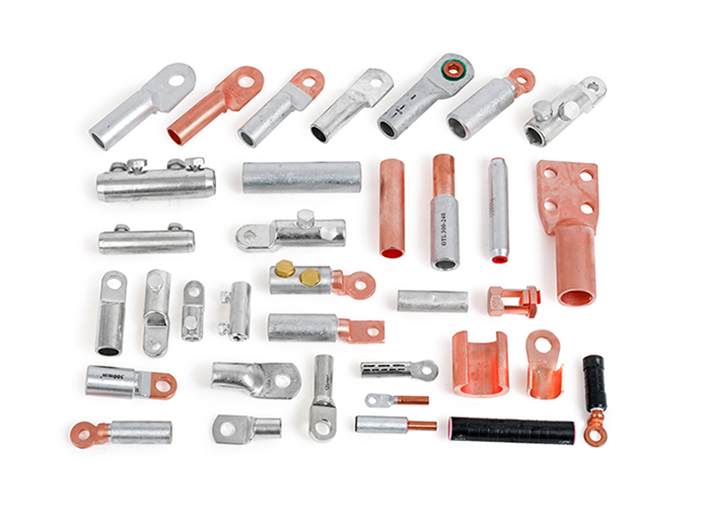
What Are Cu-Al Connector Lugs?
A Cu-Al connector lug is a bimetallic cable lug designed to connect copper (Cu) and aluminum (Al) conductors. The copper side is used for copper cables, while the aluminum side connects to aluminum cables. This prevents galvanic corrosion—a common issue when dissimilar metals come into contact—and ensures a long-lasting, low-resistance electrical connection.
Why Cu-Al Lugs Are Used in Industrial and Commercial Installations
Safety: Reduce the risk of overheating, electrical faults, and fire hazards.
Durability: Resist corrosion and mechanical wear in demanding environments.
Efficiency: Maintain low contact resistance for consistent power transmission.
Versatility: Suitable for both industrial heavy-current systems and commercial power distribution.
Common Industrial Applications
1. Power Distribution Panels
Cu-Al lugs are widely used to connect aluminum or copper cables to busbars and terminals in industrial switchboards and distribution panels. They ensure stable power delivery and prevent corrosion at high-current junctions.
2. Transformers
In transformer installations, Cu-Al lugs provide a reliable interface between copper winding leads and aluminum busbars. This ensures optimal conductivity and reduces maintenance issues caused by corrosion.
3. Industrial Machinery
Heavy machinery often requires connections that can handle high current and vibration. Bimetal lugs provide mechanical strength and electrical stability, making them ideal for motor control centers, generators, and large production equipment.
4. Renewable Energy Systems
In commercial solar and wind installations, aluminum cables are often used for cost efficiency. Cu-Al lugs allow safe integration with copper terminals, ensuring efficient energy transfer and long-term reliability.
5. Power Substations
Substations use a mix of copper and aluminum conductors for efficiency and cost savings. Cu-Al lugs help maintain safe, low-resistance connections in busbars, circuit breakers, and control equipment.
Common Commercial Applications
Commercial Buildings: Connect copper and aluminum wiring in electrical panels, lighting systems, and HVAC equipment.
Data Centers: Maintain reliable power supply to servers and UPS systems while preventing overheating.
Retail and Office Complexes: Ensure safe, durable connections in mixed-conductor power distribution networks.
Installation Tips for Industrial and Commercial Use
Always connect the copper side to copper conductors and the aluminum side to aluminum conductors.
Use certified crimping tools and follow torque specifications to ensure tight, secure connections.
Apply anti-oxidation compounds if recommended in high-humidity or corrosive environments.
Inspect periodically for loose connections or signs of corrosion.
Conclusion
Cu-Al connector bimetal lugs are a crucial component in both industrial and commercial electrical installations. By combining the advantages of copper and aluminum while preventing galvanic corrosion, they ensure safe, reliable, and efficient electrical connections. Whether it’s a heavy-duty industrial machine, a commercial building, or a renewable energy project, Cu-Al lugs provide the performance and durability required for modern power systems.
FAQ
Q1: What is a Cu-Al connector lug?
A: A Cu-Al connector lug is a bimetal cable lug designed to safely connect copper and aluminum conductors. The copper side connects to copper cables, while the aluminum side connects to aluminum cables, preventing galvanic corrosion.
Q2: Why are Cu-Al lugs important in industrial and commercial installations?
A: They ensure safe, low-resistance electrical connections, prevent corrosion, enhance mechanical durability, and reduce the risk of overheating in high-current systems.
Q3: Where are Cu-Al lugs commonly used in industrial applications?
A: They are widely used in power distribution panels, transformers, industrial machinery, generators, and renewable energy systems such as solar and wind installations.
Q4: Where are Cu-Al lugs commonly used in commercial installations?
A: They are used in commercial buildings, office complexes, data centers, and retail spaces to connect mixed copper and aluminum wiring safely.
Q5: Can I use a regular copper or aluminum lug for copper-to-aluminum connections?
A: No. Using single-metal lugs for dissimilar metals can cause galvanic corrosion, overheating, and potential equipment failure. Bimetal lugs are specifically designed for these connections.