
Introduction
Porcelain fuse cutouts are widely used in medium-voltage overhead distribution systems to protect transformers and lines from overcurrent and short-circuit faults. While they are known for durability and long service life, failures can still occur—often due to environmental stress, improper selection, or lack of maintenance.
Understanding the most common failure modes—and how to prevent them—can significantly improve system reliability and reduce downtime.
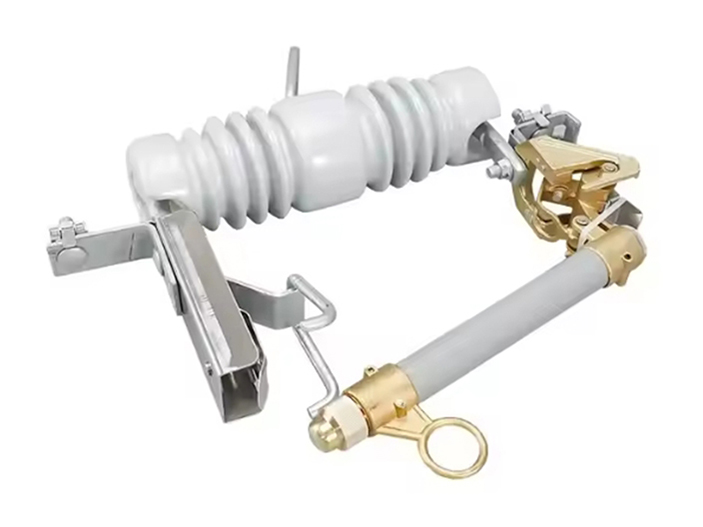
Porcelain Insulator Cracking or Breakage
Cause
Porcelain is strong but brittle. Cracks can develop due to:
Mechanical impact during installation or transport
Excessive conductor tension
Thermal stress from temperature fluctuations
Prevention
Handle and transport carefully
Ensure proper installation alignment
Avoid over-tightening mounting hardware
Conduct regular visual inspections to detect early cracks
Surface Contamination and Flashover
Cause
Accumulation of dust, salt, or industrial pollution on the porcelain surface can create a conductive path, especially under wet conditions, leading to flashover.
Prevention
Schedule regular cleaning, especially in coastal or industrial areas
Use properly glazed, high-quality porcelain insulators
Increase inspection frequency in polluted environments
Fuse Link Misoperation
Cause
Incorrect fuse link selection or poor-quality fuse elements may result in:
Nuisance blowing under normal load
Failure to operate during a fault
Prevention
Select fuse links based on system load and transformer rating
Use certified and high-quality fuse elements
Follow manufacturer guidelines for replacement
Poor Contact and Overheating
Cause
Loose or corroded contacts can increase resistance, leading to overheating and eventual failure.
Prevention
Regularly check and tighten electrical connections
Inspect for signs of oxidation or burn marks
Replace worn or damaged contact components
Failure of Drop-Out Mechanism
Cause
The drop-out mechanism may fail due to:
Rust or corrosion in moving parts
Mechanical wear
Improper installation angle
This can prevent proper circuit isolation and fault indication.
Prevention
Lubricate and inspect moving parts periodically
Ensure correct installation angle
Replace worn hinges or hardware
Fuse Tube Damage
Cause
The fuse tube is exposed to high thermal and electrical stress during fault interruption. Damage may include:
Internal burning
Cracking or deformation
Reduced arc-quenching capability
Prevention
Use high-quality fuse tubes designed for your system rating
Replace tubes after severe fault operations
Inspect tubes for wear or damage during maintenance
Environmental Degradation
Cause
Harsh environments can accelerate aging:
UV radiation
Salt corrosion
Sand and dust abrasion
Chemical exposure
Prevention
Choose cutouts suitable for specific environmental conditions
Increase maintenance frequency in extreme climates
Consider protective coatings or upgraded designs if needed
Improper Installation
Cause
Incorrect installation can lead to multiple issues, including:
Poor electrical contact
Mechanical stress
Malfunction of drop-out operation
Prevention
Follow manufacturer installation guidelines
Ensure proper mounting angle and alignment
Train installation personnel adequately
Aging and Material Fatigue
Cause
Over time, repeated thermal cycles and environmental exposure can degrade materials, leading to reduced performance.
Prevention
Implement periodic replacement schedules
Monitor equipment age and performance history
Replace aging components before failure occurs
Best Practices for Preventing Failures
To minimize failure risks, utilities should adopt a proactive approach:
Perform routine inspections and preventive maintenance
Keep insulators clean and free from contamination
Use properly rated and certified components
Replace damaged or aging parts promptly
Maintain accurate maintenance records
Conclusion
Although porcelain fuse cutouts are highly reliable, common failures can still occur if they are not properly selected, installed, or maintained. By understanding these failure modes and applying preventive measures, utilities can significantly extend equipment lifespan, improve safety, and ensure stable operation of power distribution systems.
A proactive maintenance strategy is the key to preventing small issues from becoming major failures—ultimately reducing outages and operational costs.
FAQ
1. What is the most common failure in porcelain fuse cutouts?
Surface contamination leading to flashover is one of the most common issues, especially in polluted or coastal environments.
2. Can a cracked porcelain insulator still be used?
No. Even small cracks can compromise insulation strength and should be addressed immediately by replacement.
3. Why do fuse links fail incorrectly?
Incorrect rating, poor-quality materials, or improper installation can cause fuse links to either blow unnecessarily or fail to operate during faults.
4. How can overheating in fuse cutouts be prevented?
By ensuring tight electrical connections, using proper materials, and conducting regular inspections for corrosion or wear.
5. How often should fuse cutouts be maintained?
Typically once or twice a year, but more frequently in harsh environments.
6. Is it better to repair or replace a damaged fuse cutout?
If key components like the porcelain insulator or fuse tube are damaged, replacement is usually the safer and more reliable option.