
Introduction
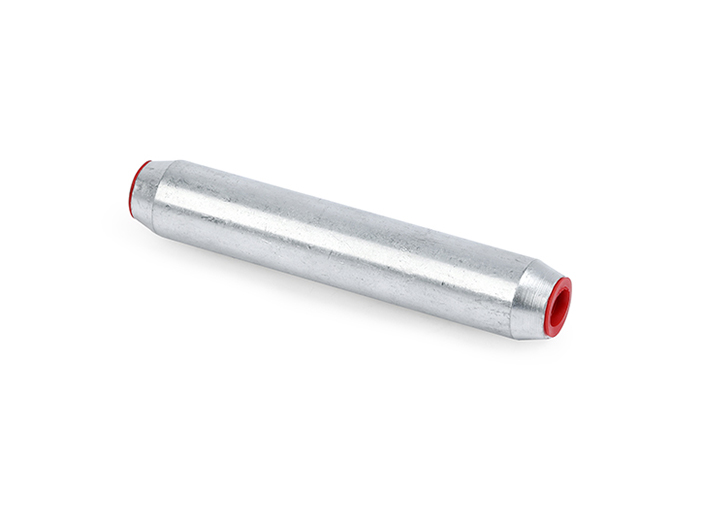
GLB aluminum cable joint lugs are essential components in electrical systems, providing reliable connections for aluminum conductors. However, improper installation or misuse can compromise performance and safety. In this article, we’ll explore the most common mistakes to avoid and share best practices for using GLB aluminum cable joint lugs effectively.
Using the Wrong Lug Size
One of the most frequent errors is selecting a cable lug that doesn’t match the conductor size. Using a lug that’s too large or too small can lead to:
Loose connections, causing overheating
Increased electrical resistance
Potential system failure
Poor Crimping Technique
Crimping is critical for aluminum lugs, as a poor crimp can reduce conductivity and mechanical strength. Common mistakes include:
Insufficient crimping pressure
Uneven compression along the lug barrel
Using the wrong crimping tool
Neglecting Surface Preparation
Aluminum conductors develop an oxide layer that can impede electrical contact. Failing to clean the conductor before installation is a common mistake.
Overlooking Proper Insulation
After installing the lug, neglecting insulation can expose the connection to moisture, dust, or mechanical stress. This can lead to:
Corrosion
Short circuits
Reduced lifespan of the joint
Ignoring Environmental Factors
Aluminum lugs are prone to galvanic corrosion if connected to incompatible metals or used in harsh environments. Mistakes in this area include:
Directly connecting aluminum lugs to copper conductors without proper transition materials
Using lugs in areas with high humidity, saltwater exposure, or chemical presence without protection
Skipping Regular Inspections
Even properly installed lugs can degrade over time if not monitored. Many failures occur because routine inspections are neglected.
Conclusion
GLB aluminum cable joint lugs are reliable and efficient when installed correctly. Avoiding these common mistakes ensures optimal electrical performance, safety, and longevity. Always follow manufacturer guidelines, use the right tools, and conduct regular inspections to maintain a secure connection.
FAQ
Q1: What is a GLB aluminum cable joint lug?
A: A GLB aluminum cable joint lug is a connector used to join aluminum conductors in electrical systems. It ensures a secure, reliable, and conductive connection, commonly used in power distribution, industrial wiring, and overhead lines.
Q2: Why is proper crimping important for aluminum lugs?
A: Aluminum is softer than copper, so improper crimping can lead to loose connections, overheating, or increased electrical resistance. Using the correct crimping tool and following the manufacturer’s instructions is essential.
Q3: Can I use a GLB aluminum lug with copper conductors?
A: Directly connecting aluminum to copper can cause galvanic corrosion. Use a bi-metallic transition lug or anti-oxidation compounds when connecting aluminum lugs to copper cables.
Q4: How do I prepare the aluminum cable before installing the lug?
A: Clean the conductor to remove oxidation, dirt, or debris. Use a wire brush or suitable cleaning solution to ensure a shiny, clean surface for optimal electrical contact.
Q5: What are common mistakes to avoid with GLB aluminum lugs?
A: Common mistakes include using the wrong lug size, poor crimping, neglecting surface preparation, insufficient insulation, ignoring environmental factors, and skipping regular inspections.
Q6: How can I protect aluminum lugs from corrosion?
A: Apply anti-oxidation compounds, use proper insulation like heat shrink tubing, and avoid direct contact with incompatible metals in corrosive environments.
Q7: How often should I inspect installed aluminum cable lugs?
A: Regular inspections should be performed, especially in critical power distribution systems. Check for loose connections, overheating, corrosion, or any signs of mechanical stress.