
Introduction
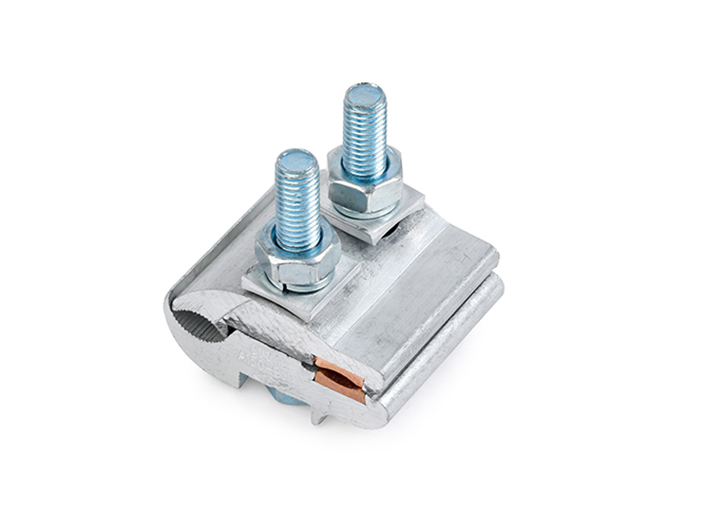
Choosing the right Bimetal Parallel Groove Clamp (PG Clamp) is essential for ensuring reliable electrical connections, minimizing maintenance, and extending the lifespan of power distribution systems. Whether used in overhead lines, substations, or industrial installations, selecting the correct clamp can significantly impact system performance.
Conductor Material Compatibility
The primary purpose of a Bimetal PG Clamp is to connect copper and aluminum conductors safely. Always verify that the clamp is designed for the conductor materials used in your project to prevent galvanic corrosion and ensure long-term reliability.
Conductor Size Range
Different clamps are designed for specific conductor diameters and cross-sectional areas. Choosing the wrong size may result in poor contact, overheating, or mechanical instability.
Current Carrying Capacity
The clamp must be capable of handling the system’s operating current without excessive heat generation. Higher current applications typically require larger contact areas and stronger clamp designs.
Mechanical Strength
In overhead line applications, clamps are exposed to wind, vibration, and conductor movement. A high-quality Bimetal PG Clamp should provide strong clamping force and long-term mechanical stability.
Corrosion Resistance
Outdoor installations are often exposed to:
Rain
Humidity
Salt spray
Industrial pollution
Choose clamps manufactured from high-quality aluminum alloys and copper materials with excellent corrosion resistance.
Installation Requirements
Easy installation helps reduce labor costs and installation errors. Consider:
Bolt type and quantity
Required installation tools
Torque specifications
Maintenance accessibility
Compliance with Standards
Always select products that comply with relevant industry standards and utility requirements to ensure safety and performance.
Common standards may include:
IEC Standards
ASTM Standards
Utility Specifications
Conclusion
Selecting the right Bimetal Parallel Groove Clamp involves more than simply matching conductor sizes. Factors such as conductor compatibility, current capacity, mechanical strength, corrosion resistance, and compliance standards all play an important role in achieving a safe and reliable connection. By carefully evaluating these factors, you can ensure long-term performance and reduce maintenance costs across your power distribution network.
FAQ
Why is a Bimetal PG Clamp used instead of a standard clamp?
It is specifically designed to connect copper and aluminum conductors while preventing galvanic corrosion.
How do I determine the correct clamp size?
Match the clamp’s specified conductor range with the diameter or cross-sectional area of your conductors.
Are Bimetal PG Clamps suitable for outdoor applications?
Yes. Most are designed to withstand harsh environmental conditions, including moisture, UV exposure, and pollution.
Can using the wrong clamp affect electrical performance?
Yes. An incorrectly selected clamp can increase resistance, cause overheating, and reduce connection reliability.
How long do Bimetal PG Clamps typically last?
With proper installation and maintenance, high-quality clamps can provide many years of reliable service in power distribution systems.