
Introduction
In overhead power transmission and distribution systems, maintaining proper cable and conductor tension is critical for mechanical stability, electrical safety, and long-term reliability. Aluminium alloy tension brackets are widely used as key structural fittings that transfer tensile loads from conductors to supporting structures such as poles and towers. This article explains how aluminium alloy tension brackets work, their structural role, and why they are essential in modern tensioning systems.
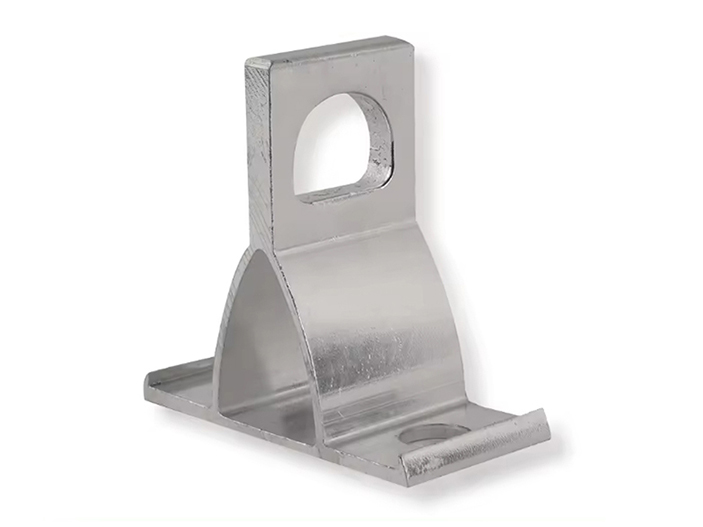
What Is an Aluminium Alloy Tension Bracket?
An aluminium alloy tension bracket is a mechanical line fitting designed to connect tension clamps, insulator strings, or hardware assemblies to poles or towers. Its primary function is to withstand and transmit axial tensile forces generated by conductors under tension.
These brackets are typically manufactured from high-strength aluminium alloys, offering an optimal balance between mechanical strength, low weight, and corrosion resistance. They are commonly used in overhead transmission lines, distribution networks, and substations.
Role of Tension Brackets in Cable and Conductor Systems
In cable and conductor tensioning systems, tensile forces are created by:
Conductor self-weight
Wind and ice loads
Thermal expansion and contraction
Line angle changes and dead-end points
The aluminium alloy tension bracket acts as a load transfer interface, ensuring these forces are safely conveyed from the conductor to the supporting structure without deformation or failure.
Working Principle of Aluminium Alloy Tension Brackets
3.1 Load Transfer Mechanism
When a conductor is tensioned, the axial force is first applied to the tension clamp or dead-end clamp. This force is then transmitted through connecting fittings (such as shackles or U-bolts) to the aluminium alloy tension bracket.
The bracket distributes the tensile load evenly across its body and anchoring points, reducing localized stress and preventing mechanical fatigue. Finally, the force is transferred to the pole or tower structure.
3.2 Structural Stability and Force Direction Control
Aluminium alloy tension brackets are engineered to maintain proper force alignment. Their geometry ensures that tensile loads act along the designed load path, minimizing bending moments and torsional stress.
This controlled force direction is essential in:
Angle towers
Dead-end poles
Terminal points of overhead lines
3.3 Resistance to Environmental Stress
During operation, tension brackets must withstand cyclic loads caused by wind vibration, temperature variation, and line galloping. Aluminium alloy materials provide sufficient elasticity and fatigue resistance, helping maintain stable tension over long service periods.
Why Aluminium Alloy Is Ideal for Tension Brackets
4.1 High Strength-to-Weight Ratio
Compared with steel fittings, aluminium alloy tension brackets offer high mechanical strength at a significantly lower weight. This reduces installation effort and structural load on poles and towers.
4.2 Excellent Corrosion Resistance
Aluminium alloys naturally form an oxide layer that protects against corrosion. This makes aluminium alloy tension brackets particularly suitable for:
Coastal areas
High-humidity environments
Industrial pollution zones
4.3 Electrical and Thermal Compatibility
In overhead line systems, aluminium alloy fittings are electrically compatible with aluminium conductors, reducing the risk of galvanic corrosion and improving long-term system reliability.
Typical Applications in Tensioning Systems
Aluminium alloy tension brackets are commonly used in:
Overhead transmission lines (HV and MV)
Distribution networks
Dead-end and anchor points
Angle and terminal poles
Substation conductor support systems
They are suitable for both single and bundled conductors.
Installation and Safety Considerations
Proper installation is essential to ensure effective performance:
Ensure correct load rating and safety factor selection
Align the bracket with the conductor tension direction
Use compatible hardware and fasteners
Tighten bolts according to specified torque values
Incorrect installation may lead to uneven load distribution, premature wear, or structural damage.
Conclusion
Aluminium alloy tension brackets play a vital role in cable and conductor tensioning systems by safely transferring tensile loads, maintaining structural alignment, and ensuring long-term reliability. Their lightweight design, corrosion resistance, and mechanical performance make them a preferred choice for modern overhead line installations.
By understanding how aluminium alloy tension brackets work, engineers and buyers can make informed decisions when selecting fittings for power transmission and distribution projects.
FAQ
1. What is the main function of an aluminium alloy tension bracket?
The primary function of an aluminium alloy tension bracket is to transfer tensile forces from conductors or cables to supporting structures such as poles or towers. It ensures stable anchoring at dead-end points, angle locations, and terminal positions in overhead line systems.
2. Can aluminium alloy tension brackets be used for high-voltage transmission lines?
Yes. Aluminium alloy tension brackets are widely used in medium- and high-voltage overhead transmission lines. When properly designed and rated, they can withstand high mechanical loads caused by conductor tension, wind, and ice conditions.
3. How do aluminium alloy tension brackets compare to steel brackets?
Compared to steel brackets, aluminium alloy tension brackets offer:
Lower weight and easier installation
Better corrosion resistance
Good compatibility with aluminium conductors
Reduced risk of galvanic corrosion
Steel brackets may offer higher absolute strength, but aluminium alloy brackets provide a better overall balance for most overhead line applications.
4. Are aluminium alloy tension brackets suitable for outdoor and harsh environments?
Yes. Aluminium alloy tension brackets perform well in outdoor environments, including coastal, high-humidity, and industrial areas. The natural oxide layer on aluminium provides long-term corrosion protection without additional surface treatment.
5. What factors should be considered when selecting a tension bracket?
Key selection factors include:
Rated mechanical load and safety factor
Conductor type and size
Installation location (dead-end, angle, terminal pole)
Environmental conditions
Compatibility with clamps, insulators, and fasteners
Choosing the correct specification is essential for system safety and durability.
6. Do aluminium alloy tension brackets require special maintenance?
Under normal operating conditions, aluminium alloy tension brackets require minimal maintenance. Periodic visual inspection for deformation, bolt loosening, or abnormal wear is recommended, especially in areas with high mechanical stress.
7. Can aluminium alloy tension brackets be customized?
Yes. Many manufacturers offer customized aluminium alloy tension brackets based on project requirements, including load rating, hole spacing, thickness, and connection type to match specific poles or tower designs.