
Introduction
In modern electrical systems, safety is a top priority. One of the most critical yet often overlooked components in ensuring safe operation is the ground clamp. These simple devices play a vital role in protecting both equipment and personnel by providing a reliable path for fault currents to safely dissipate into the earth.
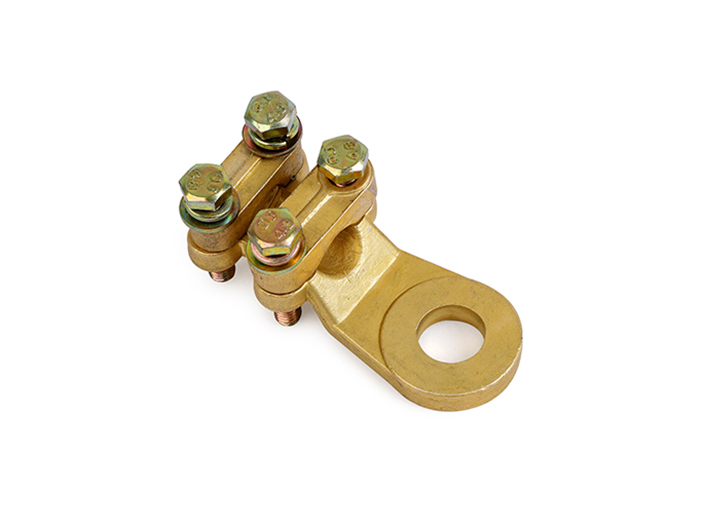
What Is a Ground Clamp?
A ground clamp is a mechanical connector used to securely attach a grounding conductor to a grounding point, such as a ground rod, pipe, or structural metal. Typically made from highly conductive materials like copper or brass, ground clamps are designed to maintain a stable and low-resistance electrical connection over time.
The Importance of Grounding in Electrical Systems
Grounding is essential for preventing electrical hazards such as electric shock, equipment damage, and fire. When a fault occurs—such as insulation failure or a short circuit—excess electrical current must be safely directed into the earth. Without proper grounding, this current may flow through unintended paths, creating serious risks.
Ground clamps ensure that the grounding system remains continuous and effective, forming a critical link between electrical installations and the earth.
How Ground Clamps Enhance Safety
1. Providing a Low-Resistance Path
Ground clamps create a firm and conductive connection between the grounding conductor and the grounding electrode. This low-resistance path allows fault currents to flow quickly and safely into the ground, reducing the risk of electric shock.
2. Ensuring Secure Connections
Loose or unstable grounding connections can be dangerous. Ground clamps are designed to maintain tight, vibration-resistant connections, even in demanding environments, ensuring long-term reliability.
3. Preventing Electrical Fires
Improper grounding can cause excessive heat buildup during fault conditions. Ground clamps help dissipate current efficiently, reducing the likelihood of overheating and electrical fires.
4. Protecting Electrical Equipment
Voltage surges and fault currents can damage sensitive equipment. Ground clamps help redirect excess energy away from devices, preserving their functionality and extending their service life.
5. Ensuring Compliance with Safety Standards
Proper grounding is required by electrical codes and standards worldwide. Ground clamps play an essential role in meeting these requirements and ensuring installations pass inspections.
Common Applications of Ground Clamps
Ground clamps are widely used in:
Residential electrical systems
Industrial machinery and equipment
Power distribution networks
Telecommunications infrastructure
Renewable energy systems such as solar and wind installations
Key Features of High-Quality Ground Clamps
When selecting a ground clamp, consider:
High Conductivity Materials: Copper or brass for efficient current flow
Duability: Resistance to corrosion, moisture, and temperature variations
Strong Clamping Force: Ensures a secure and stable connection
Long Service Life: Reliable performance over time
Ease of Installation: Simple and secure attachment
Conclusion
Ground clamps are essential components in any electrical grounding system. By providing a secure and low-resistance connection to earth, they help protect people, prevent equipment damage, and reduce fire risks. Choosing high-quality ground clamps is a critical step in ensuring the overall safety and reliability of electrical installations.
FAQ
1.Why are ground clamps important?
They ensure a reliable grounding connection, which is essential for safety and proper system performance.
2.What materials are best for ground clamps?
Copper and brass are preferred due to their excellent conductivity and corrosion resistance.
3.Can ground clamps be used outdoors?
Yes, especially those designed with corrosion-resistant materials for harsh environments.
4.How often should ground clamps be inspected?
Regular inspections are recommended to ensure they remain secure and free from corrosion.
5.What happens if grounding is not properly maintained?
It can lead to electric shock, equipment damage, and increased fire risk.