
Introduction
In modern low-voltage distribution networks, safety is a top priority. From urban power grids to rural electrification projects, every component must ensure reliable performance while minimizing electrical hazards. One such critical component is the insulating dead end clamp, widely used in aerial bundled cable (ABC) systems.
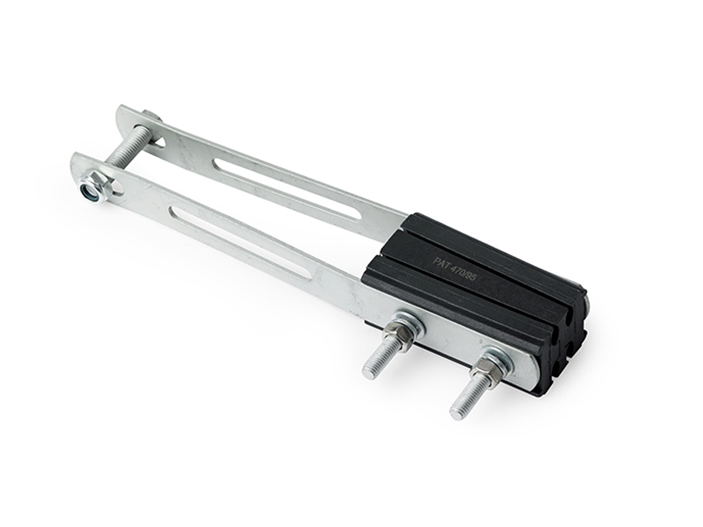
Providing Reliable Electrical Insulation
The primary safety advantage of insulating dead end clamps lies in their non-conductive construction. Made from high-quality engineering plastics, these clamps eliminate the risk of unintended electrical conduction.
Safety benefits:
Prevent accidental electric shock during installation and maintenance
Reduce risk of short circuits between conductors and hardware
Enhance overall system insulation integrity
In low-voltage systems, where cables are often installed in close proximity to buildings and people, this insulation is essential.
Securing Cables with Stable Mechanical Support
Insulating dead end clamps are designed to provide strong and stable anchoring at cable terminations.
Key contributions to safety:
Maintain proper cable tension
Prevent cable movement caused by wind or vibration
Reduce mechanical stress on conductors
Reducing Risk of Cable Damage
Insulating dead end clamps feature self-adjusting wedge mechanisms that grip the cable evenly without damaging its outer sheath.
How this improves safety:
Prevents insulation wear and tear
Reduces likelihood of exposed conductors
Extends cable lifespan
By protecting the cable structure, these clamps help avoid faults that could lead to electrical hazards.
Enhancing Safety in Harsh Environmental Conditions
Low-voltage networks are often exposed to challenging environments, including UV radiation, moisture, and extreme temperatures.
High-quality insulating clamps are built with UV-resistant and weatherproof materials.
Environmental safety advantages:
Maintain insulation properties under sunlight exposure
Resist corrosion and material degradation
Ensure consistent performance in rain and humidity
This durability prevents failures that could compromise electrical safety over time.
Minimizing Human Error During Installation
Complex installation processes can increase the risk of mistakes, which may lead to unsafe conditions.
Insulating dead end clamps are designed for simple and intuitive installation, often requiring minimal tools.
Installation safety features:
Tool-free or low-tool installation
Clear and straightforward design
This makes them especially suitable for large-scale deployment and field installations.
Preventing Electrical Contact with External Structures
In densely populated areas, cables often run near buildings, poles, and other infrastructure.
Insulating dead end clamps help maintain safe separation and insulation between conductors and external surfaces.
Safety impact:
Avoid unintended electrical contact with poles or brackets
Reduce risk of leakage currents
Improve overall system reliability
Supporting Compliance with Safety Standards
Modern electrical systems must meet strict safety regulations. Insulating dead end clamps are typically designed in accordance with international standards such as IEC and NFC.
Compliance benefits:
Verified insulation performance
Tested mechanical strength
Reliable operation under specified conditions
Using compliant components ensures that the entire network meets required safety benchmarks.
Reducing Maintenance-Related Risks
Thanks to their corrosion resistance and long service life, insulating dead end clamps require minimal maintenance.
Safety advantages:
Reduced exposure to live systems
Lower risk of component failure
Conclusion
Insulating dead end clamps are more than just mechanical components—they are critical safety elements in low-voltage distribution networks. By combining electrical insulation, strong mechanical support, and environmental durability, they help prevent accidents, reduce system failures, and ensure long-term reliability.
As power distribution systems continue to expand, especially in urban and rural electrification projects, the use of insulating dead end clamps will remain essential for building safe, efficient, and resilient electrical infrastructure.
FAQ
1. Why are insulating dead end clamps safer than metal clamps?
Because they are made from non-conductive materials, eliminating the risk of electrical conduction and improving user safety.
2. Can these clamps be used in all weather conditions?
Yes, high-quality clamps are designed to be UV-resistant and weatherproof, making them suitable for outdoor use.
3. Do insulating clamps damage cables?
No, they are designed with self-adjusting mechanisms that grip cables without causing damage.
4. Are they suitable for residential areas?
Absolutely. Their insulation and safety features make them ideal for urban and residential power distribution.
5. How do they reduce maintenance risks?
Their durability and corrosion resistance minimize the need for frequent maintenance, reducing technician exposure to hazards.