
Introduction
Lightning strikes and transient overvoltages can seriously damage electrical equipment, interrupt operations, and increase maintenance costs. Whether in power distribution systems, industrial facilities, substations, or renewable energy projects, selecting the right lightning arrester is essential for ensuring system safety and long-term reliability.
However, choosing the correct lightning arrester is not simply about matching voltage levels. Different environments, equipment types, and operational requirements demand different protection solutions. This guide explains the key factors to consider when selecting a lightning arrester for your project.
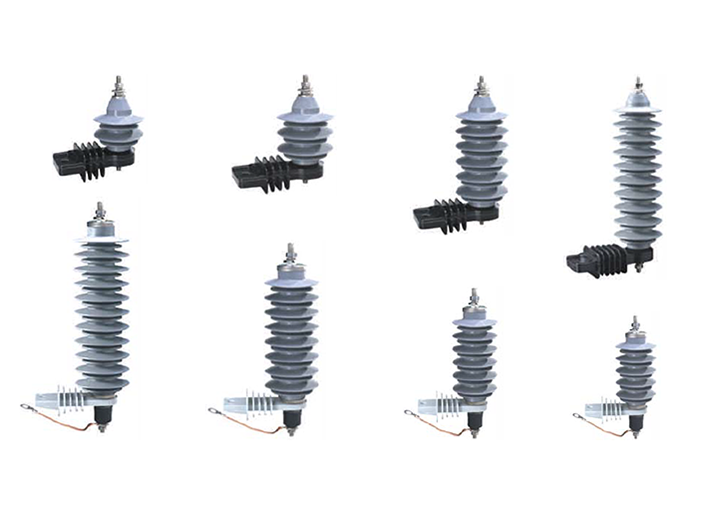
What Is a Lightning Arrester?
A lightning arrester, also called a surge arrester, is a protective device used to limit overvoltage caused by lightning strikes or switching surges. It safely diverts excess electrical energy to the ground before it can damage electrical equipment.
Modern lightning arresters are widely used in:
Power transmission and distribution systems
Substations
Industrial plants
Renewable energy projects
Solar power stations
Wind farms
Telecommunications systems
Rail transportation networks
Choosing the right arrester helps improve electrical safety, reduce downtime, and extend equipment lifespan.
Why Proper Lightning Arrester Selection Matters
An incorrectly selected lightning arrester may fail to provide adequate protection or may deteriorate prematurely under operating conditions.
Proper selection helps:
Protect expensive electrical equipment
Reduce maintenance and replacement costs
Improve power system reliability
Prevent fire and safety hazards
Extend service life of electrical assets
Ensure compliance with industry standards
For modern power systems, reliable surge protection is a critical part of overall electrical design.
Key Factors to Consider When Choosing a Lightning Arrester
1. System Voltage Rating
The first and most important factor is the system operating voltage. The lightning arrester must have an appropriate rated voltage for the electrical network.
If the voltage rating is too low, the arrester may operate continuously and fail prematurely. If it is too high, the protection level may not be sufficient.
Common voltage categories include:
Low voltage systems
Medium voltage distribution networks
High voltage transmission systems
Always select an arrester according to the system’s maximum continuous operating voltage.
2. Application Type
Different applications require different arrester designs and protection capabilities.
Distribution Systems
Distribution class arresters are commonly used for:
Pole-mounted transformers
Distribution lines
Industrial power systems
Substations and Transmission Networks
Station class arresters are designed for:
High-energy surge environments
Transmission substations
Critical power infrastructure
Renewable Energy Systems
Solar and wind power systems often require specialized surge protection due to outdoor exposure and sensitive electronic equipment.
3. Environmental Conditions
The installation environment has a major impact on arrester performance and service life.
Important environmental factors include:
Pollution Level
Industrial areas, coastal regions, and chemical plants may expose arresters to contamination and salt pollution.
Polymer lightning arresters are often preferred in polluted environments because of their superior hydrophobic performance.
UV Exposure
Outdoor installations require UV-resistant housing materials to prevent aging and degradation.
Humidity and Rainfall
Moisture-resistant designs help maintain insulation performance in humid climates.
Mechanical Stress
Regions with strong wind, vibration, or seismic activity may require arresters with higher mechanical strength.
4. Housing Material Selection
The two most common housing materials are polymer and porcelain.
Polymer Lightning Arresters
Advantages include:
Lightweight construction
Better pollution resistance
Excellent impact resistance
Improved safety performance
Easier transportation and installation
Polymer arresters are widely used in modern power systems and renewable energy projects.
Porcelain Lightning Arresters
Advantages include:
High mechanical durability
Long history of proven use
Suitable for traditional substations
However, porcelain arresters are generally heavier and more fragile compared to polymer designs.
5. Energy Handling Capability
Lightning arresters must be capable of absorbing and dissipating surge energy safely.
Areas with frequent lightning activity or unstable power conditions require arresters with higher energy handling capacity.
Applications such as substations, industrial plants, and renewable energy systems often demand higher-performance surge protection.
6. Protective Level
The protective level determines how much voltage reaches the protected equipment during a surge event.
A lower protective level generally provides better equipment protection. However, the arrester must still coordinate properly with system insulation levels.
Correct insulation coordination is essential for reliable operation.
7. Compliance with International Standards
Always select lightning arresters that comply with recognized international standards such as:
IEC standards
ANSI standards
IEEE requirements
Certified products provide better reliability, safety assurance, and quality consistency.
8. Installation and Maintenance Requirements
Ease of installation and maintenance can affect long-term operating costs.
Consider products that offer:
Simple installation structure
Reliable sealing performance
Corrosion resistance
Easy inspection and replacement
Regular maintenance helps ensure continued protection performance throughout the arrester’s service life.
Common Applications of Lightning Arresters
Lightning arresters are widely used in many industries, including:
Power Utilities
Protecting substations, transformers, and transmission lines from lightning-induced surges.
Industrial Facilities
Safeguarding motors, switchgear, and automation systems from transient overvoltage.
Renewable Energy Projects
Protecting solar panels, inverters, wind turbines, and battery storage systems.
Telecommunications
Preventing damage to communication equipment and network infrastructure.
Rail and Transportation Systems
Maintaining stable electrical operation for transportation networks.
Why Polymer Lightning Arresters Are Increasingly Popular
In recent years, polymer lightning arresters have become the preferred choice for many modern projects because they offer:
Lightweight design
Better pollution resistance
Improved safety
Superior hydrophobic performance
Lower maintenance requirements
Better performance in harsh environments
These advantages make polymer arresters especially suitable for outdoor and renewable energy applications.
Tips for Choosing a Reliable Lightning Arrester Supplier
A reliable manufacturer or supplier should provide:
Certified product quality
Technical support
Product customization options
Stable production capability
International export experience
Complete testing reports
Choosing an experienced supplier helps ensure product reliability and project success.
Conclusion
Selecting the right lightning arrester is essential for protecting electrical systems from dangerous overvoltage and lightning surges. Factors such as system voltage, environmental conditions, application type, housing material, and energy handling capability all play an important role in the selection process.
As modern power systems become more advanced and interconnected, reliable surge protection is more important than ever. High-quality lightning arresters not only improve electrical safety but also reduce maintenance costs, extend equipment lifespan, and ensure stable system operation.
By carefully evaluating your project requirements and choosing the appropriate lightning arrester solution, you can achieve safer and more reliable electrical infrastructure for the long term.
FAQ
1. What is the most important factor when selecting a lightning arrester?
The most critical factor is the system voltage rating. The arrester must match the electrical system’s maximum operating voltage to ensure proper protection and prevent premature failure.
2. How do I know which type of lightning arrester I need?
It depends on your application:
Distribution systems → distribution class arresters
Substations / high-voltage systems → station class arresters
Solar / wind systems → specialized surge protection solutions
3. What is the difference between polymer and porcelain lightning arresters
Polymer arresters: lightweight, better pollution resistance, ideal for outdoor and modern systems
Porcelain arresters: strong mechanical durability, commonly used in traditional substations
4. Are polymer lightning arresters better for outdoor use?
Yes. Polymer lightning arresters perform better in humid, polluted, coastal, and UV-exposed environments, making them widely used in outdoor installations and renewable energy projects.
5. Can I use one lightning arrester for all applications?
No. Different systems require different arrester ratings and designs. Using the wrong type may reduce protection efficiency or cause equipment failure.