

Introduction
Selecting the correct porcelain fuse cutout is essential for ensuring reliable protection, system stability, and long-term safety in medium-voltage distribution networks. While the device itself is simple in structure, choosing the wrong specification can lead to equipment failure, unnecessary outages, or even safety hazards.
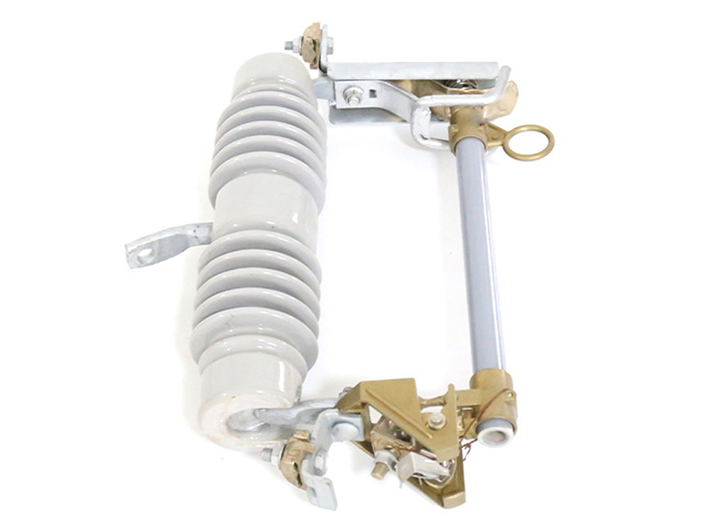
Understand Your System Voltage Level
The first and most important step is matching the fuse cutout to your system voltage.
Porcelain fuse cutouts are commonly used in:
10kV systems
15kV systems
24kV systems
27kV–38kV distribution networks
Choosing a cutout with an incorrect voltage rating may lead to insulation breakdown or reduced protection performance.
Determine the Rated Current and Load Requirements
Each fuse cutout is designed to handle a specific current range. You need to consider:
Normal operating load current
Peak load conditions
Transformer capacity
A properly selected fuse link inside the cutout ensures that:
Normal current flows without interruption
Fault currents are quickly interrupted
Oversizing or undersizing the fuse rating can reduce protection effectiveness.
Check Short-Circuit Breaking Capacity
One of the key functions of a fuse cutout is interrupting fault currents safely.
When selecting a porcelain fuse cutout, ensure it can handle:
Maximum short-circuit current in your network
Fault levels near transformers or substations
Higher fault level systems require cutouts with stronger arc-quenching capability.
Consider Environmental Conditions
Environmental factors directly affect performance and lifespan. Porcelain fuse cutouts are widely used in outdoor systems, but conditions still matter:
Coastal areas: high salt corrosion resistance required
Desert areas: strong UV and heat resistance needed
Cold regions: thermal stability under freezing conditions
Industrial zones: resistance to pollution and chemical exposure
Although porcelain performs well in harsh environments, proper selection improves reliability.
Evaluate Mechanical Strength Requirements
Overhead distribution systems are exposed to:
Wind load
Conductor tension
Vibration and mechanical stress
Choose a porcelain fuse cutout with:
Strong insulator structure
Reinforced mounting hardware
High mechanical load rating
This ensures stable operation in field conditions.
Choose the Correct Fuse Tube Design
Fuse tubes vary depending on application. Consider:
Arc-quenching performance
Drop-out speed and mechanism
Ease of replacement
Material resistance to heat and moisture
A well-designed fuse tube improves fault interruption efficiency and maintenance safety.
Verify Standards and Certifications
Reliable products should comply with international or regional standards such as:
IEC standards
ANSI/IEEE standards
Local utility specifications
Certified products ensure:
Electrical safety compliance
Consistent performance
Compatibility with utility systems
Installation and Maintenance Requirements
Even the best product performs poorly if not installed correctly. Consider:
Pole mounting compatibility
Angle of installation for proper drop-out operation
Accessibility for maintenance crews
Availability of replacement fuse links
Ease of maintenance reduces long-term operating costs.
Balance Cost and Lifespan
While porcelain fuse cutouts are generally cost-effective, pricing can vary based on:
Voltage rating
Mechanical strength
Brand quality
Certification level
Instead of choosing the cheapest option, focus on:
Long service life
Low failure rate
Reduced maintenance frequency
Conclusion
Choosing the right porcelain fuse cutout requires careful consideration of voltage level, current rating, fault capacity, environmental conditions, and mechanical strength. A well-selected cutout ensures reliable protection of transformers and distribution lines while reducing maintenance costs and improving system stability.
By matching technical specifications with real-world operating conditions, you can significantly enhance the safety and efficiency of your electrical network.
FAQ
1. What is the most important factor when selecting a porcelain fuse cutout?
The most critical factor is the system voltage rating. The fuse cutout must match the network voltage (such as 10kV, 15kV, or 24kV) to ensure safe insulation and reliable operation.
2. How do I determine the correct current rating?
You should base it on:
Normal operating load current
Transformer or line capacity
Expected peak load conditions
The fuse link inside the cutout should protect the system without tripping during normal operation.
3. Why is short-circuit rating important?
The short-circuit breaking capacity determines whether the fuse cutout can safely interrupt high fault currents. If it is undersized, it may fail during a fault, leading to equipment damage or safety risks.
4. Are porcelain fuse cutouts suitable for all environments?
They perform very well in most outdoor environments, including:
Coastal areas
High-temperature regions
Cold climates
Industrial zones
However, correct selection and proper maintenance are still necessary for optimal performance.
5. What happens if I choose the wrong fuse cutout?
Incorrect selection may result in:
Frequent fuse blowing or nuisance tripping
Equipment not being protected during faults
Reduced system reliability
Possible safety hazards
6. Do I need to consider mechanical strength?
Yes. Overhead installations are exposed to wind, vibration, and conductor tension. A strong porcelain insulator and solid mounting design are essential for long-term stability.
7. How important are certifications when choosing a fuse cutout?
Very important. Certifications such as IEC or ANSI ensure the product meets safety and performance standards, which is crucial for utility and industrial applications.
8. How long can a properly selected porcelain fuse cutout last?
With correct installation and normal operating conditions, it can last 20–30 years or more, depending on environmental exposure and maintenance practices.